Tuesday, August 25, 2026
Home Blog Page 4

AI vs Human Jobs: New Robot Prototype Threatens Thousands of Logistics Roles

0

A potent new robot prototype has emerged in a world where automation is rapidly developing, and it has the potential to disrupt the global logistics profession completely. As AI develops, it is not only an issue of when computers will replace specific jobs, but also of how many workers will be impacted. That reality is now closer than ever, thanks to the most recent breakthrough, which has raised fresh concerns about the expanding trend of robot replaces human jobs across a variety of industries. For a deeper look at how AI is transforming other fields beyond logistics, check out our article on AI Code Assistant: The Future of Programming.

This article explores how this ground-breaking robot prototype is revolutionizing the logistics industry, the extent to which it is affecting human employment, and the wider implications for the future of work. We examine whether this advancement is a positive development or a warning sign, as technology surpasses legislation and the growing phenomenon of robots replaces human jobs reshapes the labor market.

The Rise of Automation in Logistics

In order to increase speed, accuracy, and cost-effectiveness, the logistics sector has always been at the forefront of using new technologies. Automation has gradually changed how things are handled and distributed, starting with the introduction of barcode scanners and computerized inventory systems and continuing with the widespread use of conveyor belts and mechanical sorters. These developments aided in improving efficiency, lowering mistakes, and satisfying the expanding needs of international trade.

In recent years, the emphasis has gradually switched to increasingly sophisticated solutions, especially AI-powered robots that are capable of much more than manual or repetitive jobs. These devices now have advanced sensors, machine learning algorithms, and the ability to make decisions in real time. They can autonomously explore large warehouse floors, sort items according to weight and destination, and even utilize voice and gesture recognition to communicate with human coworkers. As these robots become more capable, the reality that a robot replaces human jobs in logistics is becoming increasingly apparent. Around the world, warehouse floors are now home to what once seemed like science fiction. You can learn more about the broader effects of automation in our article on The Advantage and Disadvantage of Technology.

Leading the way in this transition are big corporations like FedEx, DHL, and Amazon. For example, Amazon has made significant investments in robotic systems and has over 750,000 robots in its fulfillment centers across the globe. These robots pick, pack, and move inventory quickly and around the clock, working with less and fewer human workers. Robots do not call in sick, nor do they require breaks, sleep, or vacation days like humans do.

Businesses may reduce labor expenses, complete more orders more quickly, and maintain their competitiveness in an industry that is becoming more and more dependent on demand thanks to this round-the-clock operational capabilities. But there are severe repercussions to this unrelenting pursuit of efficiency. The claim that “robots replace human jobs” is no longer a forecast but rather a current fact as machines become more powerful and commonplace. The global workforce is starting to feel the effects of the threat to entire categories of logistical professions.

The increasing automation of logistics both demonstrates the potential for innovation and the widening gap between human work and technological growth. Every time a new robot is launched, people start to wonder what will happen to the worker it replaces and if society is really ready for this drastic change in the labor market. As technology continues to advance across all industries—from robotics to consumer electronics—it’s important to stay informed. You can explore more tech developments in our article on Top 5 Budget Smartphones in 2025 That Feel Premium.

Meet the New Robot Prototype Shaking the Industry

One of Silicon Valley’s most inventive startups unveiled a revolutionary robot prototype in July 2025, shocking the logistics and robotics industries. This revolutionary robot, which combines state-of-the-art mechanical design and machine learning algorithms, was created especially for high-volume logistics operations. The end product is a machine that can perform better than human workers in several crucial areas, including speed, accuracy, and endurance, giving it a powerful presence on the warehouse floor.

This robot’s AI-powered visual system is the core of its capabilities. The robot can precisely detect, sort, and handle parcels of all sizes and forms thanks to this advanced technology. This robot greatly reduces errors and operational bottlenecks by adapting in real time to complex sorting needs and changing package circumstances, unlike previous versions that needed rigorous standardization or human intervention for errors.

AI vs Human Jobs: New Robot Prototype Threatens Thousands of Logistics Roles
Humanlike robot cyborg. 3D illustration

Its autonomous navigation system is yet another noteworthy feature. With the help of LIDAR sensors, cameras, and AI mapping software, the robot navigates crowded warehouses with ease, avoiding obstructions and maximizing its paths without requiring continual human oversight. Because of its independence, it can function in dynamic, uncertain settings that would be difficult for conventional automation systems to handle.

Additionally, the robot has voice command integration, a sophisticated communication system that enables seamless interaction with human supervisors and other robots. It can receive and carry out spoken orders, communicate with team members, and even deliver status updates through the use of natural language processing, creating a more responsive and cooperative work environment.

Its capacity to function around the clock without interruptions, shifts, or human involvement is arguably its most notable benefit. Because this robot doesn’t require breaks or rest like human workers do, logistics organizations that want to meet demand around-the-clock can save a lot of money and maintain continual output.

The developing company claims that a single robot can perform the tasks of at least five human workers, making it a very practical and economical alternative. The enormous potential for operational improvement is highlighted by this advancement in robots and AI, but it also poses challenging and pressing issues. The most important of these is the fact that when a robot replaces human labor on such a massive scale, it endangers not only the livelihoods of individuals but also entire communities that depend on logistical work.

The industry and society at large must weigh the advantages of innovation against the serious social and economic repercussions that come with broad automation as this prototype gets ready for deployment.

Human Jobs at Risk: The Harsh Reality

The human labor is facing an unprecedented challenge as this innovative robot prototype prepares for widespread deployment in warehouses and sorting facilities across the globe. Labor specialists and industry researchers caution that this one technology development could eliminate over 250,000 logistics jobs worldwide in the next two to three years. This startling statistic demonstrates how quickly automation is intruding on formerly secure jobs.

Roles that mainly rely on routine decision-making or repeated manual labor are the most susceptible to replacement; these are jobs that the robot is better at completing quickly and without becoming tired. These include employees of sorting centers who arrange shipments, warehouse pickers and packers who locate and package items by hand, forklift operators who move heavy items, inventory management clerks who keep track of stock levels, and delivery preparation teams who plan the last steps before goods are shipped.

These jobs have been essential sources of employment for millions of people worldwide for many years. They usually offer accessible entry points for people with a range of skill sets and ask for moderate levels of training. Furthermore, these occupations have historically withstood economic ups and downs, offering working-class people a somewhat steady source of income.

But the emergence of this new robot prototype marks a big change. Even in these historically safe and accessible professions, robots are replacing human workers, transforming what was once a stable source of income into a possible cause of financial instability. Individual employees are not the only ones at risk; entire towns are at risk as well, as local economies rely heavily on jobs in logistics.

However, the effects extend beyond the loss of jobs. The very structure of the logistics labor market is under threat from the advent of such sophisticated technology. In a time when computers can surpass people in terms of speed, accuracy, and endurance, it compels companies, legislators, and society at large to reevaluate how work is valued and distributed. In addition to who will work, the most important questions are what new positions will be created and if displaced people will have the chance to successfully transfer.

Reactions and Growing Concerns

Labor groups and the general public have not kept quiet. Concerns over the absence of regulatory monitoring around AI integration have been voiced by the International Transport Workers’ Federation (ITF) and other logistics unions.

Many worry that businesses will put profits ahead of people and fire employees without providing sufficient retraining or transition assistance. Workers in North America and Europe have protested, calling on governments to put protections in place to stop mass unemployment.

According to one union representative, “we’re not anti-technology.” However, responsibility is required when a robot takes the position of a human worker. In the name of innovation, we cannot afford to sacrifice livelihoods.

Divergent views are also often shared on social media. Others draw attention to the impending societal repercussions, such as rising unemployment, income inequality, and a decline in job dignity, while others celebrate the efficiency rise.

What Are Companies and Governments Doing About It?

A surprising number of logistics firms are remaining silent. Some have made ambiguous claims about “supporting a smooth transition,” but few have presented concrete plans to upskill or retrain displaced workers.

As an example, Amazon’s “Career Choice” initiative has implemented limited retraining programs. Critics counter that such initiatives are insufficient, come too late, and fall short of the extent of the disruption.

Governments are catching up in the interim. Although specific policies are still forthcoming, the Department for Business and Trade in the United Kingdom has announced a review of AI’s influence on employment. Tax incentives are being proposed by the U.S. Labor Department for businesses that invest in AI-transition support or keep human employees.

Human Jobs Are Replaced by Robots: A Global Domino Effect

Although logistics is leading the way, this robot prototype is a sneak peek at more widespread disruption in other industries. Similar technology might potentially disrupt a warehouse if a single robot can replace numerous workers:

  • Retail (systems for self-checkout)
  • Production (automated lines of assembly)
  • Transportation (delivery trucks that drive themselves)
  • Customer service (voice assistants and AI chatbots)

If big companies use these machines without social safeguards, nations with sizable working-class populations—like Brazil, the Philippines, and India—may suffer the most dire economic repercussions.

These days, it goes beyond a single warehouse. It concerns the real-time rewriting of the future of labor.

A Fork in the Road: Collaboration or Replacement?

Despite the worries, there is still hope. According to some scientists, robots can collaborate with people rather than completely replace them.

Cobots, or collaborative robotics
Cobots are meant to support human workers, not take their place. According to this paradigm, a person manages intricate jobs while a robot takes care of hazardous or repetitive duties.

Some high-tech facilities are already testing this hybrid strategy. It provides a possible compromise by promising higher productivity without widespread layoffs.

But for implementation to be successful, it needs:

  • Governmental rewards
  • Corporate accountability
  • Programs for education and retraining
  • Partnerships between the public and private sectors

The statement “robot replaces human jobs” could be changed to “robot enhances human potential” under this approach.

What Are Employees Able to Do? Getting Ready for the Future of Automation
What should you do if you’re currently employed in a high-risk industry like logistics?

Here are some proactive measures to think about:

  • Develop your skills in fields like logistics strategy, data analytics, and AI ethics that call for human ingenuity and judgment.
  • Seek qualifications in areas like maintenance, cybersecurity, and AI oversight where people cannot be readily replaced by robots.
  • Instead of competing with AI, learn to work with it.
  • Keep up with government initiatives that provide job placement assistance or reskilling incentives.

The day when robots take over human occupations is not just approaching, it has already arrived. However, workers can remain ahead of the curve by adjusting early.

The debut of this groundbreaking robot prototype marks a pivotal moment in the ongoing battle between AI and human labor. As logistics companies rush to boost efficiency and cut costs, the fallout could affect millions of workers worldwide.

People Also Ask

Q1: How does a robot replace human jobs in logistics?
A1: Robots replace human jobs in logistics by automating repetitive and physically demanding tasks such as picking, packing, sorting, and transporting goods. Advanced AI allows these robots to operate continuously without breaks, increasing efficiency but reducing the need for human labor in these roles.

Q2: Which logistics jobs are most at risk of being replaced by robots?
A2: The logistics jobs most at risk include warehouse pickers and packers, forklift operators, sorting center staff, inventory clerks, and delivery preparation teams. These positions involve routine tasks that robots can perform faster and more accurately.

Q3: What impact will robots replacing human jobs have on the economy?
A3: When a robot replaces human jobs on a large scale, it can lead to significant job displacement and increased unemployment in affected sectors. However, it may also drive economic growth by boosting productivity and creating new roles in robotics management, maintenance, and AI development.

Q4: Are there any solutions to prevent robots from replacing all human jobs?
A4: Yes, solutions include investing in workforce reskilling, promoting collaboration between humans and robots (cobots), implementing policies like robot taxes, and encouraging companies to balance automation with human employment.

Q5: Will robots completely replace humans in logistics?
A5: While robots are increasingly capable of performing many logistics tasks, complete replacement of humans is unlikely in the near future. Hybrid models where robots assist human workers are becoming more common, emphasizing cooperation over replacement.

The phrase “robot replaces human jobs” is no longer hypothetical—it’s a reflection of our new reality. But whether this leads to a dystopian jobless future or a collaborative tech-powered workforce depends on what we do now.

Will society rise to the challenge—or get left behind by the machines?

What Do You Think?

We want to hear from you!

➡️ Do you support the integration of robots in logistics?
➡️ Should companies be allowed to replace workers without offering new opportunities?

Comment below or join the discussion on social media using #RobotReplacesHumanJobs

“Stay informed — check out QuickNewsFeed.com for more insights into this week’s biggest moves in the crypto market.”


UK to Evacuate Citizens from Israel: Flights, Safety Guidelines & Government Response Explained

0

Table of Contents


Conflict in the Middle East is escalating once more, and the consequences are being felt globally. The United Kingdom has acted quickly to protect its nationals as the situation in Israel rapidly worsens by launching UK evacuation flights from Israel.

One of the most significant developments in recent years has been the UK government’s emergency evacuation operation in response to growing safety concerns. British citizens and their families are stranded in unstable locations as a result of the transfer, which comes while violence is on the rise.

Working closely with Israeli authorities and international allies, the government is planning special evacuation planes from Israel to the UK to secure their safe return. These flights are currently operating, providing a crucial lifeline to individuals who are in dire need of returning home.

This comprehensive guide explains everything for you, regardless of whether you are currently in Israel, have loved ones affected by the situation, or want to know what’s going on. Let’s dive into everything British nationals need to know about the UK evacuation flights from Israel — and how to stay safe during this critical time.

Why Is the UK Evacuating Its Citizens from Israel?

Israel has seen a dramatic increase in violence in recent days, which has put the area on high alert. The security situation is rapidly worsening due to a sharp rise in airstrikes, rocket assaults, and public unrest. Cities across have been impacted, posing an increasing risk and uncertainty to both citizens and visitors.

UK to Evacuate Citizens from Israel: Flights, Safety Guidelines & Government Response Explained

Governments worldwide are concerned about this sudden increase in hostilities between Israel and its regional enemies. The protection of foreign nationals has become a top issue as explosives light up the sky and emergency sirens reverberate through the streets.

The UK has been aggressive in protecting its citizens and was one of the first to react. Given the seriousness of the situation, the Foreign, Commonwealth & Development Office (FCDO) urgently advised all British citizens to leave Israel as soon as it is safe to do so in a critical travel advisory.

Following intelligence assessments and international security briefings that cautioned of additional escalations that would endanger civilians, this alert was issued. In order to avoid a humanitarian crisis involving its citizens, the UK government moved quickly.

“The safety of British nationals is our top priority. We are working tirelessly to ensure safe passage home for anyone at risk,”
— said the UK Foreign Secretary in a public statement addressing the crisis.

The urgency of these measures is a reflection of both the brutal realities on the ground and the UK’s diplomatic commitment. The evacuation effort was started to get British citizens home before the window of safe travel further closed, as tensions were increasing by the hour.

The UK government has promised families back home that no one will be left behind, but the situation is still uncertain.

How Is the Evacuation Being Carried Out?

In the midst of the escalating crisis, the UK government has launched a coordinated evacuation effort to safely return British citizens home. As part of this emergency operation, a number of UK evacuation flights from Israel have been launched in close coordination with commercial airlines, local Israeli authorities, and international partners.

The major departure point for these special flights is Ben Gurion International Airport in Tel Aviv, which continues to be the principal hub for Israel’s outbound international travel. The UK has established a safe air passage for these evacuations in spite of the difficult circumstances.

✈️ Important flight information: 🛫 Terminal of departure: Ben Gurion International Airport in Tel Aviv

The UK’s Arrival Airports:

These evacuation flights from Israel to the UK are either free for those in need or offered at reduced prices to other British citizens. This guarantees that anyone in need of an immediate evacuation won’t be prevented by the expense.

👥 Who Is Eligible to Board?

The evacuation flights are not open to the general public, but they are accessible to the following groups:

  • People with British passports who are present in Israel
  • British nationals’ immediate relatives, such as spouses, kids, and legal dependents
  • Depending on their particular situation and travel documents, dual nationals with British citizenship may potentially qualify.

Under the UK evacuation system, these flights are being run by chartered aircraft with diplomatic approval and complete security monitoring. To guarantee the safe and effective boarding, check-in, and departure of each registered evacuee, the UK government works closely with Israeli border and airport authorities.

British nationals must register in advance to board one of these flights. You can do this by getting in touch with the British Embassy in Tel Aviv directly or by using the official FCDO evacuation registration online. After registering, people get comprehensive instructions that cover things like airline schedules, airport protocols, and packing lists.

Important Information: The safe evacuation area at Ben Gurion Airport will only be accessible to individuals who have pre-registered and received confirmation.

The UK government is warning people not to wait because of the restricted flying capacity and continuous dangers on the ground. If you are still in Israel and are eligible for evacuation, register and get ready to leave right away.

Safety Guidelines for UK Citizens in Israel

Safety is the foremost priority even as evacuation attempts continue. For individuals who are waiting to depart, the UK government has established stringent guidelines:

🏠 1. Shelter in Place

Avoid going outside as much as you can, particularly while there is an ongoing conflict or an air raid siren is sounding.
Standing close to windows, glass doors, or open balconies should be avoided because surrounding explosive debris or blasts can seriously injure people.

Know the location of any designated bomb shelter or reinforced safe room in your building and be ready to evacuate immediately in the event of an alert.

📢 2. Monitor Alerts in Real Time

You might save your life by being knowledgeable. To get real-time rocket and missile warning warnings, use reliable apps like Home Front Command or Red Alert. When a threat is approaching, these applications can alert you in a matter of seconds.

Furthermore:

To get local information, keep your smartphone or battery-operated radio charged.

To receive confirmed updates from the UK government, subscribe to the FCDO’s email and SMS alerts.

Keep up with embassy updates and local news sources on social media (Facebook, Twitter).

3. Prepare a “Go Bag” for emergencies.

It’s important to have an emergency bag prepared in case you need to leave your place fast for a shelter or evacuation flight.

You should have the following in your go bag:

✅ Identification documents and passport

📱 A cell phone and a charger (ideally a portable power bank)

💊 A simple first aid kit and prescription drugs

🚰 Nonperishable snacks and water bottles

💳 In the event that digital payments are interrupted, cash and credit/debit cards

🧴 Face masks and personal hygiene products

🧥 A light jacket and an outfit change

Make sure everyone in the family has a bag ready and keep this one close at hand at all times.

📞 4. Maintain Communication with Authorities and Family

Always notify someone of your whereabouts, particularly the FCDO or the British Embassy. In order to make sure you are not missed during emergency extractions, this aids rescue and evacuation personnel in tracking your location.

Furthermore:

Always keep your phone charged and turned on.

Continue to communicate with your relatives in the UK on a frequent basis.

Even if the roads seem to be open, avoid going to high-conflict zones because some of them are dangerous and unpredictable.

5. Steer clear of rumors and false information

False information can spread quickly during emergencies, particularly on social media. Before making any decisions, always confirm information from credible media sites, official government sources, or embassy updates.

Disseminating unconfirmed information could:

  • Create needless anxiety
  • Put other people in danger
  • Interrupt military operations and evacuation efforts

Rely only on trustworthy, fact-checked websites, and notify the appropriate authorities of any dubious or deceptive content.

By following these instructions, you may make sure you’re ready for an unexpected departure and be secure while you wait for evacuation. Remaining composed, knowledgeable, and prepared can make all the difference, even during such unpredictable circumstances.

UK Government Response and Statements

The UK government has received recognition for its prompt cooperation, openness, and dedication to public safety in its reaction to the developing situation in Israel. British officials moved quickly to put preparations in place as the situation rapidly worsened. Both military and diplomatic protection teams supervised the deployment of chartered evacuation flights within 48 hours of the travel advisories being issued.

The Ministry of Defense, the British Embassy in Tel Aviv, and the Foreign Commonwealth & Development Office (FCDO) worked closely together to enable this quick mobilization. Together, they made it possible for British nationals who were stuck in dangerous areas to be securely flown to major airports and promptly returned home.

Official Statements from the Government

The urgency and gravity of the UK’s evacuation operations have been emphasized in a number of official statements:

For British nationals presently residing in Israel and the occupied territories, we have serious concerns. An FCDO representative stated, “Our consular teams are working around the clock to provide assistance, guidance, and safe passage.”

The public was also strongly reassured by the prime minister’s office:

“No British citizen will be abandoned. We’re doing everything we can to get our residents home as soon as possible and safely. We must act decisively and with national unity at this moment.

🏛️ Parliamentary Emergency Session

To deal with the escalating problem, the UK Parliament called an emergency session in Westminster. Among the main topics of conversation were:

  • Allocating resources for evacuation logistics right away
  • Increasing diplomatic exchanges with peers in Israel
  • deployment of more consular personnel in the area

supplies of humanitarian aid for conflict-displaced people, including NGOs and communities in Israel with ties to the UK

Cross-party leaders prioritized the safety of UK citizens overseas while acknowledging the significance of honoring international commitments. In addition to providing the House with an update on changing risk assessments, the Foreign Secretary reaffirmed that evacuation efforts would continue for as long as needed.

Airlines and Flight Information

The UK government and a few chosen airlines have worked together to organize a number of evacuation flights from Israel in response to the escalating situation. The purpose of these flights is to guarantee the safe return of British citizens, particularly those who are in hazardous situations or high-risk locations.

✈️ Airlines Involved in the Evacuation

A combination of commercial and military aircraft has been deployed:

  • British Airways: Provides a convenient and direct return trip to major UK hubs by operating both regular and special repatriation flights from Ben Gurion International Airport.
  • TUI Airways: Supporting emergency transportation, particularly for families and groups traveling together. TUI has a wealth of crisis response logistics experience.

Reserved mostly for high-risk evacuees, such as those in immediate danger zones or those in critical condition, is the Royal Air Force (RAF). These military planes provide quick extraction and the highest level of protection.

This combination of military and civilian resources guarantees a comprehensive evacuation strategy that addresses a range of situations, from urgent rescue efforts to commercial repatriation.

📋 Evacuation Flight Registration Procedure

To be eligible for evacuation flights from Israel to the UK, all British citizens must register in advance. After registering, the person will get:

  • A confirmed time and date for the flight
  • Instructions and the precise check-in location
  • Details about the necessary paperwork

Updates in real time about any delays or security modifications

The British Embassy in Tel Aviv and the FCDO’s official website are used to handle registrations. For people who require assistance with the procedure or do not have internet access, emergency helplines are also available.

💰 Evacuation Flight Cost

Depending on the specific situation, the UK government has attempted to reduce or eliminate expenditures wherever possible:

✅ The most vulnerable people can take use of free evacuation flights, which include:

  • Senior citizens
  • Families with small children
  • Individuals with illnesses or impairments

Discounted Tickets

Flights are being offered to other British citizens at a significantly discounted price, usually less than £300 per person, which is far less than commercial last-minute tickets.

Financial Support Is Available

Emergency travel aid may be offered by UK consular services to individuals who are experiencing financial difficulties. When registering, citizens are urged to ask about this assistance.

🛫 Vital Travel Advice for Citizens Leaving

All passengers are encouraged to adhere to these crucial protocols in order to preserve safety and order during evacuations:

No more than three hours before to your planned departure, arrive at the airport.
Due to restricted security areas, early arrivals outside of this window may not be allowed admission.

Observe all airport security procedures, such as ID verification, bag checks, and boarding guidelines.

Only bring necessities including cash, basic clothing, medication, and travel documentation. To expedite boarding, only bring one carry-on and one check-in bag.

To assist security personnel in identifying and prioritizing evacuees, wear visible identification, such as UK-issued cards or passport lanyards, particularly when visiting the airport.

The UK government is working to guarantee that no citizen is left behind by effectively planning and running these evacuation flights from Israel. The quickest and safest route home for those still on the ground is to register as soon as possible and adhere to official instructions.

What to Do If You’re a UK Citizen Still in Israel

If you’re still in Israel and need evacuation, follow these steps immediately:

1. ✅ Register with the UK Government Immediately

The first and most important step is to register yourself for evacuation through the UK government’s official Foreign, Commonwealth & Development Office (FCDO) portal.

  • Visit the official website: gov.uk

  • Look for the “Israel evacuation registration” or related alert banner

  • Fill in your personal information, including:

    • Full name

    • Passport number

    • Current location in Israel

    • Contact number and email

    • Names and details of accompanying family members (if any)

If you cannot access the internet, call or visit the British Embassy in Tel Aviv for assistance.

2. 🛂 Prepare All Essential Documents

You must have your travel documents ready at all times to avoid delays or denial of boarding.

  • Ensure your passport is valid (check expiration date and damage)

  • Keep your passport and ID easily accessible in a secure travel pouch

  • Bring proof of UK citizenship and any relevant visas

  • If you have dependents or family members, bring their documents too

Tip: Take photos or digital scans of all key documents and upload them to a cloud service in case of loss.

3. 📍 Stay Close to Tel Aviv

Most UK evacuation flights from Israel are departing from Ben Gurion International Airport in Tel Aviv.

  • Try to relocate to Tel Aviv or nearby safe zones if you’re elsewhere in the country

  • Avoid unnecessary travel, especially after dark or through military zones

  • Monitor local news for safe travel routes and any airport disruptions

Keep your phone charged and location-sharing enabled for family or embassy personnel to reach you if needed.

4. ⚠️ Avoid High-Risk Conflict Areas

The UK government has strongly advised against travel to certain regions within Israel due to active hostilities and risk of violence.

Avoid:

  • The Gaza border area (south of Israel)

  • Northern regions near the Lebanon border

  • The Old City of Jerusalem, particularly East Jerusalem

  • Any area under red alert or where air raid sirens are active

Do not attempt to reach Tel Aviv via these routes. Instead, use safe corridors and seek guidance from locals or consular officers if unsure.

5. 📞 Use Embassy Hotlines for Immediate Help

If you need urgent assistance, have not received flight details, or are in a high-risk area, use these official helplines:

UK Embassy Contact in Israel:

🇬🇧 British Embassy – Tel Aviv
📍 Address: 192 Hayarkon Street, Tel Aviv
📞 Phone: +972 (0)3 725 1222
🕐 Operating Hours: 24/7 for emergency support

UK-Based 24-Hour FCDO Helpline:

📞 +44 (0)20 7008 5000
Available for friends and families in the UK trying to contact loved ones in Israel.

These numbers are staffed around the clock, and embassy officials are actively helping citizens coordinate transportation, documentation, and safety.

By doing these things, you can make sure that you’re keeping yourself informed and prepared for evacuation while putting your safety first. Despite the hard work of the UK government, your readiness can make all the difference.

Responses from UK Families and Citizens

Families of those trapped in Israel have voiced a mixture of relief and concern back home. Before the evacuation was confirmed, many people turned to social media to demand that the UK government act immediately.

“My daughter was in Jerusalem on a school excursion. I’m glad she’s currently on one of the flights. We’re counting the minutes until she’s back,” shared a mother from Manchester.

Others have called for quicker updates for citizens overseas and highlighted communication lags.

In order to help with logistics, food supplies, and temporary housing for individuals in transit, non-governmental organizations (NGOs) have also stepped in.

Global Context: Are Other Nations Evacuating As Well?

Indeed, a number of nations are carrying out comparable evacuation procedures; some are even working in tandem with the UK.

Participating Countries: United States: Citizens and Green Card Holders Can Take Charter Flights

Canada: evacuation with military support

France and Germany: Coordinated transportation through Jordan and Cyprus

India: Operation Ajay is a unique program aimed at repatriating Indian citizens.

The magnitude of the crisis and the pressing necessity to protect foreign nationals are highlighted by this extensive multinational effort.

The UK’s rapid response to the unfolding crisis in Israel has been a beacon of reassurance for citizens abroad. From UK evacuation flights from Israel to comprehensive safety measures and government-led coordination, the plan is aimed at safeguarding lives during an unpredictable and dangerous time.

If you or someone you know is still in Israel, do not delay. Register now, follow official guidelines, and stay connected to embassy updates. The government continues to work around the clock to ensure the safety of all British nationals.

❓ What People Ask For – FAQs About UK Evacuation Flights from Israel

🔹 Is the UK evacuating citizens from Israel right now?

Yes. The UK government has launched emergency evacuation flights from Israel due to the ongoing conflict. Flights are being operated from Ben Gurion International Airport in Tel Aviv for registered British citizens.

🔹 How do I register for an evacuation flight from Israel?

You must register on the official FCDO evacuation portal through gov.uk. You can also call the British Embassy in Tel Aviv at +972 (0)3 725 1222 for help.

🔹 Who is eligible for evacuation?

Eligible evacuees include:

  • British passport holders

  • Immediate family members (spouse, children, dependents)

  • Some dual nationals (depending on security risk and passport documentation)

🔹 Are the UK evacuation flights from Israel free?

In many cases, flights are free for vulnerable groups, such as families with children, the elderly, and people with health issues. Others may be required to pay a subsidized fare (usually under £300), depending on availability and need.

🔹 What should I bring to the evacuation flight?

Bring your:

  • Passport and ID documents

  • Medications and essentials

  • Phone, charger, power bank

  • Cash and credit cards

  • Travel light and keep important items in your carry-on luggage.

🔹 What areas should I avoid in Israel during the crisis?

Avoid:

  • Gaza border zones

  • Northern border areas near Lebanon

  • The Old City of Jerusalem

  • Locations where air raid sirens and military activity are reported

🔹 What if I can’t reach the airport?

If you’re unable to travel safely to Tel Aviv, contact the British Embassy immediately. They may assist with local transportation or give advice on sheltering in place until safe passage is arranged.

🔹 Can UK citizens in the West Bank or Gaza be evacuated?

Evacuation from high-risk zones like Gaza or parts of the West Bank may require special coordination. These regions are more complex due to restricted access, so reach out to FCDO or the UK Embassy directly for support.

🔹 Is it safe to travel to Israel now?

The FCDO currently advises against all non-essential travel to Israel and the occupied territories. British nationals are urged to leave as soon as possible using available flights.

If you found this article helpful, please share it with anyone who may be affected. Comment below with your questions or experiences. Stay safe, and follow QuickNewsFeed.com for real-time updates on this developing situation.

Israel-Iran Tensions: Will Trump’s Strike Lead to Full-Scale War? What Experts Predict This Week

0


Tension has always existed in the Middle East, but the current conflict between Iran and Israel is unlike anything that has happened in a long time. The world is waiting for the next domino to fall after Donald Trump launched an unexpected military strike on a suspected Iranian site. A straightforward yet horrifying issue is engulfing governments, academics, and ordinary individuals alike: Are we on the verge of a full-scale conflict?

Israel-Iran Tensions: Will Trump’s Strike Lead to Full-Scale War? What Experts Predict This Week
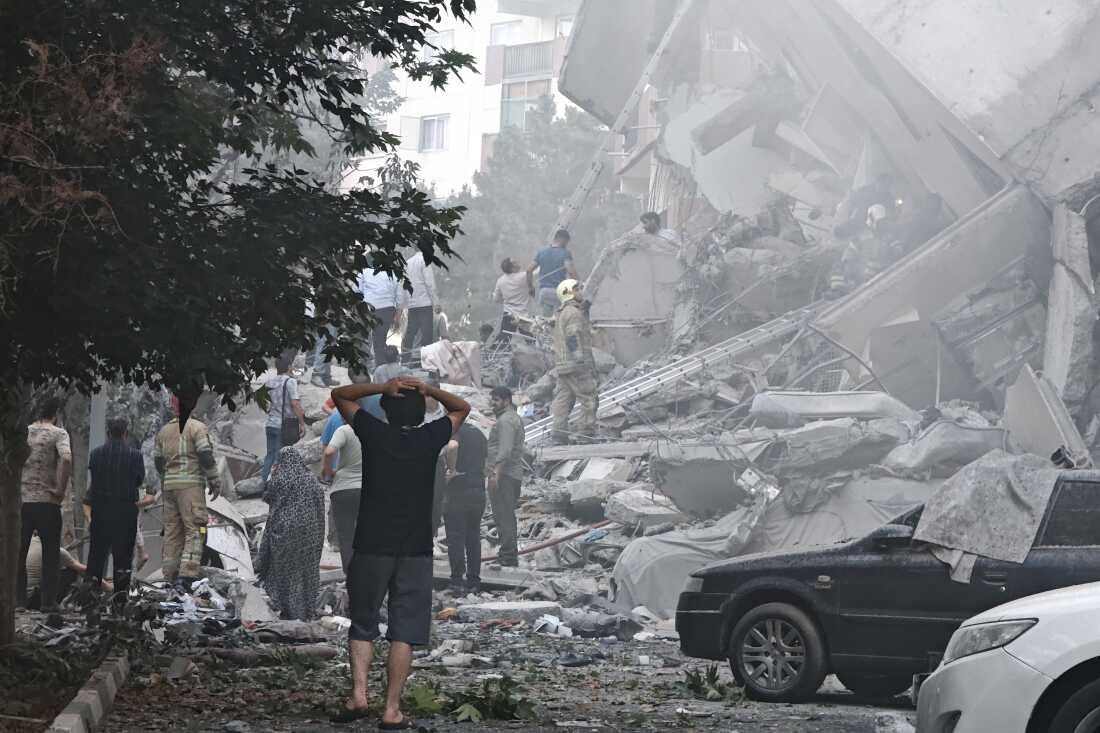
TEHRAN, IRAN – JUNE 13: People look over damage to buildings in Nobonyad Square following Israeli airstrikes on June 13, 2025 in Tehran, Iran.

The Israel-Iran confrontation is currently at the forefront of international news, diplomacy, and defense as headlines scream and world leaders vie for attention. Based on this week’s expert forecasts and geopolitical cues, this essay explores what caused this boiling point, what is currently happening, and what might occur next.

 What Sparked the Latest Flare-Up?

After Trump approved a targeted airstrike on a military facility backed by Iran that is thought to be used for clandestine drone activities close to Syria’s border, tensions rose overnight. Pentagon sources claim that no American forces were on the ground during the operation, which was conducted utilizing cutting-edge drone technology. However, Iranian media fueled the narrative by claiming that civilians were murdered.

Israel-Iran Tensions: Will Trump’s Strike Lead to Full-Scale War? What Experts Predict This Week

A terrifying warning was sent out within hours by Iran’s Revolutionary Guard Corps (IRGC): “Zionist aggression and American interference will be met with fire.” Israeli commanders pledged revenge for any Iranian attack in Tel Aviv. The tit-for-tat hyperbole soon started to get out of control.

Social media took off. Newsrooms were rushing. On X (previously Twitter), the phrase “Middle East war 2025” started trending, and millions of people were discussing whether Trump’s strong action was a risky provocation or a brilliant strategic maneuver.

 A Long and Bitter History: How the Israel-Iran Conflict Reached Boiling Point

We must examine the deeply ingrained and acrimonious past that has stoked hostility between Israel and Iran for many years in order to comprehend the seriousness of the current situation. This conflict has developed throughout time as a result of political decisions, covert activities, proxy conflicts, and ideological disagreements. The timeline of hostilities has developed as follows:

 1979: A New Enemy and the Islamic Revolution

In 1979, Iran saw a dramatic change when the pro-Western Shah was overthrown and Ayatollah Khomeini took power as the Islamic Republic. The new government immediately took a tough anti-Israel stand, denouncing Israel as the “Zionist entity” and severing all diplomatic relations. Israel became a declared ideological adversary after previously serving as a covert ally. Iran started presenting itself as the protector of Palestinian rights, which paved the way for decades of indirect conflict.

1990s–2000s – Iran’s Proxy Strategy: Hezbollah and Hamas

Throughout the 1990s and early 2000s, Israel repeatedly accused Iran of funding, training, and arming terrorist organizations such as Hezbollah in Lebanon and Hamas in Gaza. These groups launched thousands of rockets into Israeli territory over the years, often leading to Israeli counterstrikes. Iran denied direct involvement but celebrated the attacks publicly. This marked the beginning of the proxy war model that defines much of the Israel-Iran conflict to this day.

 1990s–2000s – Iran’s Proxy Strategy: Hezbollah and Hamas

Israel made many accusations against Iran in the 1990s and early 2000s for allegedly equipping, supplying, and assisting terrorist groups including Hamas in Gaza and Hezbollah in Lebanon. Over the years, these organizations have fired thousands of rockets into Israeli territory, frequently resulting in Israeli retaliation. Iran loudly praised the bombings but denied direct involvement. This signaled the start of the proxy war paradigm that still shapes a large portion of the Israel-Iran conflict.

 2010s: Secret Battles and Cyberwarfare

The war had faded into the background by the 2010s. One of the biggest examples of contemporary cyberwarfare happened in 2010 when Iran’s nuclear centrifuges at the Natanz plant were rendered inoperable by the Stuxnet virus, which was purportedly created by Israel and the United States. Iran’s nuclear aspirations were halted by this advanced spyware, which also intensified online conflict. Iran retaliated by stepping up its own cyber capabilities and attacking Israeli financial and infrastructure systems.

2018: Trump Pulls Out of the Iran Nuclear Deal

In 2018, one of the most contentious foreign policy choices of his presidency was Donald Trump’s unilateral withdrawal of the United States from the Iran Nuclear Deal (JCPOA). While many European friends and Iranian officials were incensed, Israeli leaders were thrilled by this action. The decision caused Iran to resume uranium enrichment programs and restrict access to international inspections, shattering diplomatic trust and rekindling nuclear tensions.

 2020: The World-Shocking Assassination

Mohsen Fakhrizadeh, Iran’s leading nuclear scientist, was killed in an ambush close to Tehran in November 2020. Iran specifically accused Israel of employing advanced weapons and remote-controlled systems to plan the attack, potentially with assistance from the United States. Hostilities between the two countries were further cemented when the assassination sparked widespread sorrow and promises of retaliation in Iran.

 A Continuous Shadow War Emerges

Espionage, computer sabotage, assassinations, and proxy strikes have all been used in this decades-long shadow war, which has spanned boundaries from Gaza to the Persian Gulf and Syria to Lebanon. It is a conflict based on influence, identity, and philosophy in addition to land.

With Trump’s most recent overt military action, what was previously secret has now burst into the public eye. Many observers believe that unless swift diplomatic action is taken, this is not simply another flare-up but rather a blatant escalation into outright warfare.

The Israel-Iran confrontation has evolved from a covert Cold War. It’s blazing in the news, and its embers might burn the whole area down.

 Current Week Developments: A Timeline of Escalation

This week has seen a flurry of military, political, and diplomatic moves:

Monday: Israel puts the IDF on “heightened alert” and bolsters air defense throughout its northern borders.

Tuesday: It has been claimed that Iran has mobilized naval units and missile systems in the Strait of Hormuz.

Hezbollah responds with a minor attack on an Israeli base on Wednesday; no injuries are reported.

Thursday: An emergency meeting is called by the UN Security Council. Russia and China oppose American intervention.

Iran threatens to block the Strait of Hormuz, a vital oil trading route, and reports of U.S. military repositioning in the Gulf are made on Friday.

The next 48 hours, according to experts, are crucial. A single blunder could start a full-scale conflict.

 What the Experts Are Saying

Everyone has an opinion, from retired generals to think tanks, but most of them concur that there is a significant chance of escalation.

  • According to David Ignatius, a military analyst at the Brookings Institution, “this is the closest we’ve come to regional war since the invasion of Iraq.”
  • Former CIA agent Valerie Plame observes, “Trump’s move was calculated, but it’s opened a box that might be difficult to close.”
  • If no ceasefire or de-escalation is mediated, the RAND Corporation estimates that there is a 60% risk of direct Israel-Iran armed conflict within the next two weeks.

The public response is also mentioned by social media analysts: Israeli residents are swarming to bomb shelters in the north, while Iranian citizens are calling for retaliation.

 How Would a Full-Scale Conflict Appear?

The following is how a huge and extremely devastating conflict might play out if diplomacy fails:

1. Exchanges of Missiles

Iran might launch ballistic missiles toward Tel Aviv and Haifa, two important Israeli cities. A constant bombardment would overcome Israel’s Iron Dome.

2. Activation of Proxy

Multiple fronts against Israel would likely be opened by coordinated attacks by pro-Iranian militias in Syria and Iraq and Hezbollah in Lebanon.

3. Cyberwarfare

Both sides are equipped with sophisticated cyber capabilities. Attacks on communication networks, infrastructure, and even banking networks could occur during a conflict.

4. The Crisis of Oil

A third of the world’s oil supply could be cut off if Iran were to seal the Strait of Hormuz. The international economy would be rocked by the explosion in oil prices that would result from this.

5. The Refugee Epidemic

A severe humanitarian crisis that would put pressure on Europe and its neighbors could result from the displacement of millions of people from Lebanon, Syria, and even sections of Israel and Iran.

 The Reaction of the World Powers

Although world leaders are making well-crafted speeches, there are still significant differences hidden beneath the polite rhetoric.

The strike was required to “protect U.S. and Israeli interests from Iranian terror,” according to Trump, who is still defiant. But the lack of legislative consultation is being questioned by both Democrats and NATO partners.

European Union: Although optimism is waning, France and Germany have urged moderation and a resuscitation of the Iran nuclear deal.

China and Russia: Both nations have backed Iran’s right to “self-defense” and denounced the American strike.

Saudi Arabia and the Gulf States: formally advocating for “de-escalation,” but quietly supporting Israel.

 Implications for the Middle East in 2025

The regional order would change if the dispute turned into war:

  • Israel might be at war with Hamas in Gaza, Hezbollah in Lebanon, and possibly even Iran.
  • Iran might overreact, which might result in deadly reprisal attacks and the potential for regime instability.
  • If Arab countries are coerced into taking sides, the Abraham Accords may fall apart.
  • If direct war starts, the Iran nuclear deal (JCPOA) is essentially nullified.

With uncertain ramifications for international security, this would be the most significant Middle East conflict since the Gulf War.

 What Can Prevent This From Getting Worse?

Is peace still possible amid the increasing smoke?

1. Diplomacy in an emergency

Backchannel discussions between Washington, Tehran, and Tel Aviv are being hurriedly arranged via the UN, EU, and neutral countries like Switzerland.

2. Military Control

Iran has only threatened in words thus far, and Israel has responded sparingly. There is still time to prevent disaster if both parties exercise caution.

3. The Influence of Others

Protests for peace are breaking out in cities all around the world, including New York, Berlin, and London. #StopTheWarNow and other social media efforts are becoming more popular.

4. Bombs vs. Economic Sanctions

In lieu of more military action, some analysts predict that the United States and its allies may return to targeted sanctions as a means of applying pressure on Iran.

As the week ends, the Middle East stands closer to war than it has in decades. While some believe Trump’s bold strike may deter further Iranian aggression, others fear it may just be the spark that lights a regional inferno.

 People Also Ask

1. Why are Israel and Iran enemies?
Israel and Iran have been in ideological and geopolitical conflict since the 1979 Iranian Revolution. Iran’s leadership has consistently opposed Israel’s existence, while Israel views Iran as a threat due to its nuclear ambitions and support for militant groups like Hezbollah and Hamas.

2. What triggered the latest Israel-Iran tensions in 2025?
The current escalation began after Donald Trump authorized a surprise military strike on a suspected Iranian-linked facility, leading to heightened military alerts and retaliatory threats from Iran.

3. Could this lead to World War III?
While unlikely to spark a global war, experts warn that a full-scale Israel-Iran conflict could draw in regional powers, disrupt oil supplies, and involve the U.S., Russia, and China diplomatically or militarily — increasing global instability.

4. What is Trump’s role in the conflict?
As former U.S. President, Trump’s decision to strike an Iranian target in 2025 reignited tensions and placed Washington directly in the middle of the Israel-Iran conflict. His past actions, including withdrawing from the Iran nuclear deal, have also contributed to long-term friction.

5. Is it safe to travel to the Middle East right now?
Travel advisories vary by country. Many governments have urged citizens to avoid non-essential travel to high-risk areas near Israel, Iran, Lebanon, and Syria due to escalating threats.

6. How does the Israel-Iran conflict affect the global economy?
If the Strait of Hormuz is blocked or oil facilities are attacked, global oil prices could spike. Financial markets may react to instability, affecting inflation, supply chains, and investor confidence worldwide.

The Israel Iran conflict all over the topics of newsrooms and social feeds isn’t just another flashpoint — it’s a potential pivot point for world history.

The only certainty? The coming days will determine whether diplomacy can still speak louder than rockets.

What Do You Think? Are We on the Brink of War?

The Israel-Iran conflict is heating up fast — and the world is watching. Do you believe diplomacy can still prevent disaster? Or has the point of no return already passed?

Join the conversation in the comments below.
Share this article with friends who are following the crisis.
Like and follow QuickNewsFeed.com for real-time updates, breaking headlines, and expert analysis from across the globe.

 Stay informed. Stay alert. Stay ahead.
Because in times like these, the truth matters more than ever.

Is Your Protein Powder Actually Healthy? What Most Brands Won’t Tell You

0


Protein powder has become a pantry must for busy professionals, wellness lovers, and gym-goers alike in today’s fast-paced, health-conscious society. Protein powder is frequently regarded as a quick and easy approach to reach your nutritional objectives, whether you’re mixing it into a shake after working out or adding it to your morning smoothie. The crucial query, though, is whether your protein powder is truly nutritious. Many businesses promote themselves as natural, clean, and good for your health, but you might be surprised by the reality that lies beneath those glossy labels. Not all protein powders are made equal, and the things that most businesses won’t tell you could have a bigger impact on your health than you may realize. These include fake additives, false health claims, and possibly harmful pollutants. For more expert nutrition tips and diet plans, check out Eddie Abew’s Diet Plan, Nutrition Tips, and Fitness Secret.

Is Your Protein Powder Actually Healthy? What Most Brands Won’t Tell You

The Rise of Protein Powders: Why Everyone’s Using Them

Is Your Protein Powder Actually Healthy? What Most Brands Won’t Tell You

The popularity of protein supplements has skyrocketed worldwide in the past ten years. Protein powders are no longer only for bodybuilders, as their market worth is predicted to reach over $20 billion by 2027. These days, regular consumers include them in their meals in an effort to increase their daily protein intake, improve their metabolism, aid in weight loss, or improve their level of fitness. Protein is necessary for hormone synthesis, muscle repair, and energy levels, so it makes sense that it would be appealing. Protein powder appears to be an obvious choice given people’s hectic schedules and increased desire for accessible nutrition. But how can you know what you’re really getting when there are thousands of variations available on the market, ranging from whey and casein to pea, hemp, and soy-based varieties? While powders are convenient, it’s also worth exploring nutrient-rich whole food options—like a Top Spanish Breakfast—to fuel your mornings naturally and deliciously.

What’s Really Inside Your Protein Powder?

You’ve undoubtedly encountered a lengthy and intricate list of ingredients, many of which you are unable to pronounce, if you have ever read the back of a protein powder container. Although protein of some kind (such as whey, casein, or plant-based sources) is usually the primary ingredient, what’s concealed within is where things start to become problematic. Numerous well-known brands include a concoction of artificial sweeteners like aspartame, acesulfame potassium, or sucralose, which may change gut flora and have been connected in some research to bloating, migraines, and even insulin resistance.

Is Your Protein Powder Actually Healthy? What Most Brands Won’t Tell You

Emulsifiers and thickeners such as guar gum, carrageenan, and xanthan gum are also frequently used to give products a creamy texture or extend their shelf life, but they might upset sensitive people’s stomachs. Additionally, some protein powders contain artificial flavorings made of substances that have no nutritional value and may eventually exacerbate inflammation.

Worse, plant and whey-based protein powders have been found to contain detectable quantities of heavy metals like lead, arsenic, mercury, and cadmium in a number of independent tests, including those carried out by the Clean Label Project. These harmful chemicals have been connected to major health concerns like cancer, developmental problems, and organ damage. They can build up in the body over time.

Misleading Marketing Tactics You Should Know About

Companies go to considerable measures to present their protein powders as wholesome and healthful, but don’t be duped by the labeling. The definitions of terms like “natural,” “clean,” “pure,” and “non-GMO” are frequently ambiguous and uncontrolled. Although these statements may boost your confidence in your purchase, they don’t always accurately represent what’s within.

Using proprietary blends is one of the industry’s major gimmicks. Manufacturers offer a number of ingredients under a single blend name (such as “muscle matrix” or “performance complex”) without providing the precise amounts of each ingredient. Customers are unable to determine if they are receiving effective dosages or merely filler due to this flaw.

“Amino spiking” is another dishonest practice whereby businesses intentionally exaggerate the protein amount on the label by adding inexpensive amino acids like taurine or glycine. Although these additives might appear as protein in laboratory testing, they don’t have the same advantages for developing muscle as complete proteins.

Remember that there is minimal control to guarantee correct labeling or formulation safety because the FDA does not regulate dietary supplements in the same manner that it does medications. Many protein powders make audacious promises without any scientific proof to support them, such as fat burning, lean muscle gain, and recovery enhancing, when they are not properly regulated.

The Health Risks of Low-Quality Protein Powders

Regular use of low-quality protein powder can have more negative effects than positive ones. The first is that artificial sweeteners and preservatives can cause gastrointestinal issues like diarrhea, bloating, and gas. Hidden dairy proteins or soy ingredients frequently cause pain for people with sensitive stomachs or dietary intolerances.

Consuming too many low-quality protein powders can potentially harm the kidneys and liver, especially in those who already have health issues. Certain powders have more protein than the body needs, which strains your organs as they try to get rid of nitrogen waste.

The long-term danger of exposure to hazardous metals comes next. Over time, daily consumption of even trace amounts of heavy metals can build up and interfere with vital body functions, such as the reproductive organs and brain system. If you use protein powder as part of your daily diet, you should be aware of these pollutants even if they are permitted under current rules.

How to Choose a Truly Healthy Protein Powder

So, how can you be certain that the protein powder you’re selecting is healthy for you? To begin, turn the tub over and examine the ingredient list; the shorter the list, the better. Steer clear of powders that contain chemical preservatives, artificial flavors, or artificial sweeteners. If you want complete control over the flavor, look for products that employ natural sweeteners like stevia, monk fruit, or even unsweetened types.

Choose organic, grass-fed whey or plant-based proteins like pea, hemp, or brown rice for the source because they are often simpler to digest and include less chemicals. A bonus? Vegans can use plant-based powders, which are also frequently more environmentally friendly.

It’s advisable to search for third-party certificates like:

  • NSF Sport Certified
  • Enlightened-Choice Accredited
  • Organic by the USDA
  • Non-GMO Verified Project

These labels show that the product has undergone independent testing for quality, purity, and prohibited ingredients, which is crucial for athletes.

Selecting a clear brand that completely reveals each ingredient and its quantity, without depending on ambiguous proprietary blends, is another useful recommendation. You probably shouldn’t put a brand into your body if it won’t tell you what ingredients it contains.

🏆 Recommended Healthy Protein Powder Brands

Although tastes may differ, the following companies are frequently praised for the quality and transparency of their ingredients:

🥇 1. Naked Nutrition

  • Type: Whey, Pea, Rice, Casein, and more

  • Why it’s great:

    • Only one or two ingredients

    • No artificial sweeteners, flavors, or colors

    • Transparent sourcing and third-party tested

  • Best For: Clean eaters and ingredient-conscious consumers

🌱 2. Orgain Organic Protein

  • Type: Vegan (pea, brown rice, chia)

  • Why it’s great:

    • USDA Organic, soy-free, gluten-free

    • Tastes great and blends well

    • Great option for plant-based diets

  • Best For: Vegans and people who want a budget-friendly clean plant-based protein

💪 3. Garden of Life Sport Organic Plant-Based Protein

  • Type: Vegan (pea, sprouted grains, legumes)

  • Why it’s great:

    • NSF Certified for Sport and Informed-Choice certified

    • Non-GMO, Organic, and free from added sugars

    • Contains probiotics and BCAAs

  • Best For: Athletes and active lifestyles wanting a plant-based edge

🧼 4. Klean Athlete Isolate

  • Type: Whey Isolate

  • Why it’s great:

    • NSF Certified for Sport

    • Minimal ingredients, no artificial additives

    • Formulated specifically for athletes

  • Best For: Competitive athletes needing pure protein

🥜 5. Truvani Organic Plant-Based Protein

  • Type: Vegan (pea, chia, pumpkin)

  • Why it’s great:

    • Organic, clean-label ingredients

    • Minimal, real-food-based formula

    • Excellent taste and digestibility

  • Best For: Health-conscious consumers wanting premium vegan protein

🧃 6. Vega Sport Premium Protein

  • Type: Vegan (pea, alfalfa, pumpkin, sunflower)

  • Why it’s great:

    • 30g of protein per serving

    • Includes BCAAs and tart cherry for recovery

    • NSF Certified for Sport

  • Best For: Vegans needing high-performance post-workout fuel

🥛 7. NOW Sports Whey Protein Isolate

  • Type: Whey Isolate

  • Why it’s great:

    • No artificial sweeteners or colors

    • Informed-Sport Certified

    • High-quality whey at a competitive price

  • Best For: Budget-conscious lifters looking for clean protein

🍫 8. Transparent Labs 100% Grass-Fed Whey Protein

  • Type: Whey

  • Why it’s great:

    • From grass-fed cows, no artificial ingredients

    • Transparent labeling and dosing

    • High protein-to-calorie ratio

  • Best For: Fitness lovers and clean-label enthusiasts

🌿 9. Sunwarrior Warrior Blend

  • Type: Vegan (pea, hemp, goji berry)

  • Why it’s great:

    • Soy-free, gluten-free, non-GMO

    • Smooth texture and good flavor

    • Includes MCTs and antioxidants

  • Best For: Active vegans seeking a full nutrient blend

🧬 10. Optimum Nutrition Gold Standard 100% Whey (For Comparison)

  • Type: Whey (Blend of isolates, concentrates, peptides)

  • Why it’s popular:

    • Widely available and trusted

    • Good protein content and taste

    • However, contains artificial flavors and sweeteners

  • Best For: Beginners on a budget (but not the cleanest)

Alternatives to Protein Powders

There are several whole-food options that can satisfy your protein requirements if you’re not sure about including protein powder in your diet. Think about foods like as:

  • Eggs
  • Greek yogurt
  • Cottage cheese
  • Beans with lentils
  • Quinoa
  • Tempeh and tofu
  • Lean meats, fish, and chicken

Additionally, you may create your own DIY protein shake with plant-based milk, chia seeds, oats, and nut butters. In this manner, you completely avoid dubious ingredients and have complete control over what enters your body.

Protein powders can be a helpful supplement, but they shouldn’t be used as a crutch or in place of a healthy diet. Real food should always come first; utilize powders only when convenience is essential or additional support is required for dietary requirements.

🥦 Protein Powder Alternatives for Vegetarians

  1. Greek Yogurt

    • Packed with protein and probiotics. Choose unsweetened, full-fat or low-fat varieties.

  2. Cottage Cheese (Paneer)

    • Excellent source of casein protein, great for slow digestion and muscle recovery.

  3. Tempeh

    • Fermented soy product with complete protein. Higher in protein than tofu and gut-friendly.

  4. Lentils and Legumes (Chickpeas, Kidney Beans, Black Beans)

    • Affordable and rich in fiber, iron, and plant-based protein.

  5. Quinoa

    • A complete protein source containing all 9 essential amino acids. Great as a grain replacement.

  6. Tofu

    • Versatile, high-protein soy product perfect for stir-fries, smoothies, or baking.

  7. Nuts and Nut Butters (Almonds, Peanut Butter, Cashews)

    • High in protein and healthy fats. Great for snacking or adding to shakes.

  8. Chia Seeds & Hemp Seeds

    • Tiny but mighty! Add to smoothies, yogurt, or oatmeal for a protein and omega-3 boost.

  9. Oats + Milk Combo

    • Rolled oats with cow’s or soy milk makes a great post-workout combo rich in carbs and protein.

  10. Edamame

  • Young soybeans that are protein-rich and perfect as a snack or in salads.

🍗 Protein Powder Alternatives for Non-Vegetarians

  1. Eggs

    • Nature’s perfect protein source. One large egg has about 6g of high-quality protein.

  2. Chicken Breast

    • Lean and high in protein, ideal for muscle growth and weight loss diets.

  3. Turkey

    • Lower in fat than red meat, turkey is an excellent source of lean protein.

  4. Fish (Salmon, Tuna, Cod)

    • Rich in protein and omega-3 fatty acids. Salmon and tuna are particularly great options.

  5. Beef (Lean Cuts or Grass-Fed)

    • High in protein and iron. Opt for lean cuts like sirloin or tenderloin for less saturated fat.

  6. Shrimp and Shellfish

    • Low in fat and calories, high in protein. Quick to cook and ideal for salads or stir-fries.

  7. Milk and Dairy (Full-Fat or Skimmed)

    • Good source of whey and casein proteins. Ideal for post-workout recovery.

  8. Bone Broth Protein

    • A natural, collagen-rich source of protein that supports joint and gut health.

  9. Sardines

    • Protein-packed and rich in calcium and omega-3s. Also a good canned option for convenience.

  10. Organ Meats (Liver, Heart)

  • Extremely nutrient-dense with high-quality protein, vitamins, and minerals.

🌱 Protein Powder Alternatives for Vegans

  1. Lentils (Red, Green, Brown)

    • Around 18g of protein per cooked cup.

    • High in fiber and iron; perfect for soups, stews, and salads.

  2. Chickpeas (Garbanzo Beans)

    • About 15g of protein per cooked cup.

    • Excellent for making hummus, curries, or roasted snacks.

  3. Tofu (Firm or Extra Firm)

    • Roughly 10g of protein per ½ cup.

    • Versatile in savory and sweet dishes — can be grilled, scrambled, or blended into smoothies.

  4. Tempeh

    • Contains ~20g of protein per cup.

    • Fermented, gut-friendly, and has a firmer texture than tofu.

  5. Edamame (Young Soybeans)

    • 17g of protein per cup.

    • Delicious as a snack, in bowls, or salads.

  6. Quinoa

    • A complete protein with 8g per cooked cup.

    • Great as a base for power bowls, salads, or even breakfast porridge.

  7. Hemp Seeds

    • About 10g of protein per 3 tablespoons.

    • Rich in omega-3s; sprinkle on smoothie bowls, oats, or salads.

  8. Chia Seeds

    • 5g of protein per 2 tablespoons.

    • Also high in fiber and omega-3s. Ideal for puddings, drinks, or overnight oats.

  9. Nutritional Yeast

    • 8g of protein per 2 tablespoons.

    • Cheesy, savory flavor—perfect on popcorn, pasta, or in sauces.

  10. Black Beans & Other Legumes (Kidney Beans, Navy Beans)

    • 15g+ per cooked cup.

    • Affordable and protein-dense; work well in burritos, veggie burgers, or chili.

  11. Peas & Split Peas

    • Around 8g of protein per cooked cup.

    • Excellent for soups, curries, and vegan patties.

  12. Oats (Especially with Plant Milk)

    • 5–7g of protein per ½ cup dry oats.

    • Boost further with chia, flaxseeds, or almond butter.

  13. Almonds & Almond Butter

    • 7g per ¼ cup (whole almonds), ~3g per tbsp (butter).

    • Great as a snack or spread on toast, apples, or added to smoothies.

  14. Pumpkin Seeds (Pepitas)

    • Around 8g of protein per ¼ cup.

    • Crunchy and perfect for topping bowls, salads, and soups.

  15. Seitan (Wheat Gluten)

    • Contains 21g of protein per 1/3 cup.

    • Meaty texture — ideal for stir-fries, sandwiches, and plant-based grilling.

So, is your protein powder truly good for you? How frequently you use it, the brand you select, and if you’re paying attention to what’s actually in it will all affect the answer. Given the abundance of deceptive labels and obscure substances available on the market, it’s simple to be duped by the appearance of health. However, you may safeguard your health and make more informed dietary decisions by picking transparent, high-quality products, conducting some research, and carefully reading labels.

Don’t fall by gaudy packaging or unsubstantiated health claims. Not all protein powders are safe, hygienic, or efficient, and some may even be detrimental over time. It’s time to look more closely and demand better from the items you use if you’re serious about achieving your wellness and health objectives.

Take Control of Your Health—Choose Smarter Protein Today!

Not all protein powders are created equal — and what you don’t know can hurt you. Now that you know what to look for, it’s time to ditch the fake, filler-packed formulas and choose clean, transparent nutrition you can trust.

🔎 Want more expert health tips, supplement reviews, and honest wellness guides?
👉 Bookmark QuickNewsFeed.com and check back daily for the latest insights on what’s really inside the products you use.

📲 Loved this article?
Share it with your fitness group, tag us on social media, or leave a comment to let us know what brand of protein powder you trust — and why.

Your body deserves better. Let’s fuel it right, together. 💪

Frequently Asked Questions (FAQs)

1. Is it okay to drink protein powder every day?

Yes, it’s generally safe to consume protein powder daily — as long as it’s from a high-quality source free of harmful additives or contaminants. However, it should complement a balanced diet, not replace whole foods. If you’re relying on protein powder multiple times a day, consider assessing your overall diet and protein needs.

2. What should I avoid in a protein powder?

Watch out for artificial sweeteners (like sucralose, aspartame), synthetic flavors, heavy metals (like lead and arsenic), and unnecessary fillers like maltodextrin or gums. Also avoid proprietary blends that don’t disclose ingredient quantities. Always choose brands with full transparency and third-party testing.

3. How can I tell if a protein powder is healthy?

Look for a short ingredient list with recognizable items. Choose powders that are organic, non-GMO, and certified by reputable third-party organizations (like NSF or Informed-Sport). The best protein powders will also avoid artificial additives and clearly list the amount of protein per serving.

4. Is plant-based protein powder healthier than whey?

Not necessarily — both have pros and cons. Whey protein is highly bioavailable and great for muscle repair, while plant-based protein is often easier to digest, dairy-free, and contains fiber. A healthy protein powder depends more on quality and formulation than the source alone.

5. Can protein powders cause digestive issues?

Yes, some people may experience bloating, gas, or upset stomachs from certain protein powders — especially those with lactose, soy, gums, or artificial sweeteners. Choosing a clean-label product and avoiding common irritants can reduce the risk of digestive discomfort.

6. How much protein powder is too much?

Most people only need one serving (20–30g of protein) from powder per day if they already eat a protein-rich diet. Overconsumption may strain the kidneys over time and could lead to nutrient imbalances if used excessively as a meal replacement.

7. Are there protein powders without heavy metals?

Yes, but you need to look for brands that conduct third-party testing and publish their results. Products certified by NSF, Informed-Sport, or the Clean Label Project are more likely to be free from heavy metal contamination.

8. What’s the cleanest protein powder on the market?

Brands like Naked Nutrition, Garden of Life Sport, Klean Athlete, and Orgain are often recommended for their minimal ingredients and lack of artificial additives. Look for terms like “unsweetened,” “third-party tested,” and “organic” for the cleanest options.

10 Surprising Benefits of Intermittent Fasting Backed by Science

0

Intermittent fasting benefits have propelled it beyond being a mere trend-it has transformed into a way of life in today’s fast-paced society, where diets come and go like viral TikTok challenges. What began as a curiosity has evolved into one of the most researched and widely adopted health strategies worldwide. Unlike fad diets that promise rapid results but eventually fade from science and popularity, intermittent fasting stands out because the intermittent fasting benefits are deeply rooted in both evolutionary biology and contemporary clinical research, making it a sustainable and effective approach to long-term wellness.

10 Surprising Benefits of Intermittent Fasting Backed by Science

Celebrities like Jennifer Aniston and Hugh Jackman attribute their youthful vitality and toned physique to intermittent fasting. Nutritionists and fitness influencers vouch for its metabolic benefits. This eating pattern is gaining popularity among remote workers and busy CEOs as a way to enhance mental clarity, focus, and ease daily routines, in addition to promoting weight loss.

However, why has intermittent fasting become so popular? But more importantly, is it effective?

The amazing and varied advantages that scientists are finding hold the key to the solution. Intermittent fasting has been linked to greater brain health, more energy, better digestion, hormone management, decreased inflammation, and even longer lifespans, according to research. These impacts extend well beyond avoiding carbohydrates or watching calories.

The basic principle is straightforward: by allowing your body to take long pauses from continuous eating, you enable it to activate long-standing survival mechanisms that accelerate the processes of fat burning, healing, and repair. The outcome? A healthier, more energetic, and more resilient version of yourself.

10 Surprising Benefits of Intermittent Fasting Backed by Science

What’s the best part? You don’t need to monitor every mouthful, adhere to intricate food regimens, or purchase pricey supplements. Whether you’re a high-performance athlete, a stay-at-home mom, or someone simply seeking more energy and health, intermittent fasting fits in well with your everyday life.

If you’re still unsure if intermittent fasting is worth your time, let’s dig deep into the facts and uncover the top 10 unexpected and potent advantages that go well beyond weight loss. Some might even permanently alter your perspective on aging, eating, and health.

1. Burn Fat Without Starving: How Intermittent Fasting Helps You Shed Weight Effortlessly

If you’ve had trouble sticking to a traditional diet, intermittent fasting might be the solution you need. Intermittent fasting focuses on when you eat rather than what you eat, which allows you to still lose weight while enjoying your favorite meals at predetermined intervals.

Here’s why it functions:

  • makes it simpler for the body to access stored fat by lowering insulin levels.
  • enhances norepinephrine, a hormone that speeds up calorie expenditure.
  • helps cut calories without the need for continuous tracking or counting.

?? Scientific Perspective: After 3-24 weeks, intermittent fasting decreased body weight by 3-8%, according to a 2014 study published in Translational Research.

? Pro Tip: Start with a 16:8 method (fast for 16 hours, eat within an 8-hour window) to ease into it.

2. Boost Your Metabolism Naturally-No Pills or Gimmicks Needed

It may seem impossible to feel invigorated or lose weight if your metabolism is slow. However, the fact that intermittent fasting naturally and sustainably increases your metabolism is one of its most underappreciated advantages.

Here’s how:

  • increases insulin sensitivity, which is essential for burning fat and generating energy.
  • reduces the risk of metabolic syndrome by lowering blood sugar.
  • may reduce your chance of getting Type 2 diabetes.

?? Science Speaks: Men at risk for Type 2 diabetes showed significant improvements in insulin sensitivity and a reduction in blood pressure after just 5 weeks of time-restricted eating, according to a study published in Cell Metabolism.

?? Do you want to increase your metabolism? For quicker results, try IF in conjunction with resistance training.

3. Detox From the Inside Out: How Fasting Activates Cellular Self-Cleaning

Don’t bother with juice cleanses. The natural process by which your body eliminates damaged cells and makes room for new ones, autophagy, is one of the most potent advantages of intermittent fasting.

Some advantages of autophagy are:

  • Cellular aging and inflammation are decreased.
  • protection against illnesses such as Alzheimer’s and cancer.
  • quicker cell renewal and healing.

?? Notable Fact: The 2016 Nobel Prize in Medicine was awarded for the process of autophagy, demonstrating the significance of this fasting-triggered mechanism for longevity and overall health.

4. Unlock Superbrain Powers: How Fasting Enhances Memory, Focus, and Brain Function

Are you feeling hazy or forgetful? Fasting could help you get rid of your mental clutter. Intermittent fasting’s ability to boost brain function is among its most intriguing advantages.

During a fast, the following occurs:

  • The production of BDNF (Brain-Derived Neurotrophic Factor) by your brain encourages the development of new neurons.
  • The brain uses the ketones created during fasting as a cleaner, more effective fuel source.
  • Neurodegenerative disorders like Parkinson’s and Alzheimer’s may be prevented by it.

?? Brain Boost Tip: During fasting hours, try working on creative projects or other activity requiring a lot of focus. You may be amazed at how alert you feel.

5. Stop Silent Killers: Fasting’s Incredible Ability to Lower Inflammation and Oxidative Stress

Chronic inflammation is frequently referred to as the “silent killer” since it contributes to conditions including diabetes, heart disease, and cancer. One of the more unexpected advantages of intermittent fasting is its ability to naturally reduce internal inflammation.

A fast can:

  • reduce blood levels of cytokines that promote inflammation.
  • Decrease the indicators of oxidative stress, which are linked to aging.
  • Boost disease resistance and immune system performance overall.

?? Study Highlight: Studies published in Free Radical Biology & Medicine showed that intermittent fasting decreased markers of inflammation in a number of age groups.

6. Protect Your Heart-Without a Prescription: How Intermittent Fasting Lowers Heart Disease Risk

The world’s biggest cause of death is heart disease. The good news is that there are several advantages to intermittent fasting, including strong heart protection.

  • Fasting is beneficial.
  • Cut back on LDL cholesterol, the “bad” type.
  • reduced amounts of triglycerides.
  • Maintain a steady heart rate and blood pressure.

?? Why It Matters: Even if you are genetically predisposed, these modifications can lower your risk of heart attack, stroke, and other cardiovascular events.

7. Activate Youthful Hormones: How Fasting Supercharges Your Hormonal Health

Are you trying to find the fountain of youth? It could be concealed within your window of fasting. The impact of intermittent fasting on hormone synthesis is among its less well-known advantages.

Here’s how:

  • Human growth hormone (HGH), which promotes muscle growth and fat loss, can increase fivefold during a fast.
  • helps bring your hunger and energy chemicals, insulin and leptin, back into balance.
  • supports both men’s and women’s hormone health, though women should take it gradually.

?? Warning: In order to avoid hormone disruption, women should think about fasting less vigorously (for example, 12:12 or 14:10).

8. Live Longer, Age Slower: The Longevity Benefits of Intermittent Fasting

What if you lived longer if you skipped breakfast? Intermittent fasting may help you live a longer, healthier life, according to studies on animals, and scientists are also looking into its effects on people.

How longevity is enhanced by fasting:

  • activates genes involved in repair and lifespan.
  • slows the aging-related telomere shortening.
  • lowers the chance of developing age-related conditions like diabetes, cancer, and Alzheimer’s.

?? Animal Evidence: Regular fasting can extend a rodent’s life by up to 30% compared to a regular feeding regimen.

9. Heal Your Gut and Boost Digestion: Fasting’s Hidden Benefit for Gut Health

The foundation of general health is gut health. Allowing your digestive system to relax, reset, and rebuild is one of the most underappreciated advantages of intermittent fasting.

  • Fasting is beneficial.
  • Improve the healing of the gut lining by lowering ongoing digestive stress.
  • Promote bacterial diversity in the stomach to boost immunity and lessen bloating.
  • lessen IBS and other gastrointestinal problems’ symptoms.

?? Microbiome Tip: According to a 2020 study published in Nutrients, IF promotes the development of beneficial gut microorganisms that improve digestion and lower inflammation.

10. Think Sharper, Feel Lighter: Why Fasting Improves Mental Clarity and Emotional Balance

Not only does intermittent fasting help the body, but it also changes the psyche. Increased clarity, attention, and even better emotional control are all reported by many fasters.

Why?

  • Ketones, a cleaner fuel for the brain, are used by your body instead.
  • Ghrelin, the hunger hormone, may also encourage neuroplasticity.
  • Better digestion and sleep result in happier moods.

?? Real Talk: Fasting maintains your energy and focus throughout the day, unlike the crash that follows a heavy lunch.

Bonus: Who Is a Good Candidate for Intermittent Fasting?

Even though intermittent fasting has many advantages, not everyone is a good fit for it. If you fit into any of the following categories, you should speak with your doctor:

Women who are nursing or pregnant Individuals who have experienced eating issues in the past People with Type 1 diabetes or those taking particular drugs Teenagers or children who are still developing

? When practiced carefully, intermittent fasting can be transformative and safe for the majority of healthy adults.

?? A Brief Guide for Novices to Begin Intermittent Fasting

Here is a straightforward road map for those who are prepared to attempt intermittent fasting:

  • Select a technique: For novices, 16:8 is ideal.
  • Drink plenty of water, herbal tea, and black coffee to stay hydrated.
  • Eat a balanced breakfast that includes fiber, protein, and good fats.
  • Pay attention to your body: You shouldn’t have to endure agony when fasting.
  • Have patience: Results may not be seen for a few weeks.

?FAQs: Common Questions About Intermittent Fasting

Can I drink coffee during fasting?

Yes! Black coffee and tea are allowed. Just avoid cream and sugar.

Will I lose muscle while fasting?

Not if you eat enough protein during your eating window and do some strength training.

Is intermittent fasting suitable for women?

Yes, but women may benefit more from gentler versions like 12:12 or 14:10, especially during menstrual cycles.

Intermittent fasting isn’t just another diet-it’s a lifestyle backed by science and real results. Whether you’re aiming to lose weight, boost your brainpower, or simply live a longer, healthier life, these intermittent fasting benefits prove it’s worth a try.

?? Have you tried intermittent fasting? Share your experience in the comments below-we’d love to hear how it’s changed your life!

?? Want more health and wellness tips backed by real research?
Explore our trending articles at QuickNewsFeed.com and unlock a world of expert advice, fitness hacks, and nutrition secrets!

What You Need to Know About the First Cancer Vaccine

0

Cancer remains one of the most formidable health challenges worldwide, impacting millions of people and claiming countless lives every year. Despite decades of research and advances in treatment options, cancer continues to be a leading cause of death across the globe. Its complex nature, variety of forms, and ability to resist conventional therapies make it a daunting opponent for scientists and healthcare professionals alike.

Tumor_Mesothelioma2_legend

Yet, with medical science progressing faster than ever before, innovative developments are emerging that hold promise in this ongoing struggle. The development of cancer-preventing or -fighting vaccines is one of the most thrilling and promising advancements. These vaccines signify a strategic change, transitioning from solely addressing cancer post-appearance to preventing its onset altogether or aiding the immune system in fighting existing tumors. This evolution in healthcare mirrors similar holistic approaches seen in other areas of wellness, such as those detailed in Eddie Abbew’s diet plan, nutrition tips, and fitness secrets, where prevention and proactive health management take center stage.

Among these pioneering innovations, the first cancer vaccine is notable as a transformative milestone. It heralds a new age in cancer prevention and therapy, paving the way for opportunities that were previously considered unfeasible. It is vital for all parties involved, including patients, caregivers, health advocates, and policy makers, to grasp the workings of this vaccine, its recommended recipients, and its efficacy.

This detailed article will explore the realm of the first cancer vaccine in depth. We will discuss all the essential aspects: the scientific principles of how it functions, the individuals who stand to gain the most from it, its demonstrated safety and efficacy, and the promising advancements in cancer vaccines. This guide aims to inform, inspire, and empower, whether you’re looking to learn for yourself or to help spread awareness.

What Is a Cancer Vaccine?

In order to grasp the importance of the first cancer vaccine, one must comprehend what a cancer vaccine truly is. Vaccines are biological agents that prepare the immune system to identify and fight off pathogens, usually viruses or bacteria. With regard to cancer, though, the principle is a bit more complicated.

Cancer vaccines can be divided into two primary categories: preventive and therapeutic vaccines. The goal of preventive cancer vaccines is to prevent the initial development of cancer by targeting known carcinogenic viruses or factors. In contrast, therapeutic vaccines aim to assist the immune system in combating existing cancer.

The crucial element of a cancer vaccine is to provoke the immune system to identify cancer cells as threats and assault them. In contrast to conventional vaccines that guard against infectious diseases, cancer vaccines serve two purposes: they either prevent cancers associated with viruses or assist in treating existing cancers by focusing on specific tumor markers.

History of Cancer Vaccines

For decades, scientists have been fascinated by the idea of using the immune system to combat cancer. At the beginning of the 20th century, scientists observed that infections could sometimes lead to tumor reduction, which generated interest in cancer treatments based on the immune system. It was only in the late 20th century that substantial advancements were achieved in the development of vaccines aimed specifically at cancer.

Among the research milestones was the identification of oncogenic viruses, which can lead to cancer, including the Human Papillomavirus (HPV) and Hepatitis B Virus (HBV). These findings opened the door for vaccines that avert infections resulting in cancer. These vaccines were supported by rigorous clinical trials and research conducted by prominent institutions around the globe.

The First Cancer Vaccine: What Is It?

The HPV vaccine, marketed under brand names like Gardasil and Cervarix, is the first cancer vaccine to gain widespread recognition and FDA approval. This vaccine, which was approved in the mid-2000s, targets particular strains of HPV that are accountable for most cervical cancer cases and other cancers such as anal, throat, and penile cancers.

The HPV vaccine functions by presenting the body with benign proteins from the virus, thereby conditioning the immune system to identify and eliminate HPV should it attempt to infect cells. The vaccine effectively lowers the risk of developing cancers linked to HPV by preventing HPV infection.

Another significant cancer vaccine is the Hepatitis B vaccine, which aids in preventing liver cancer linked to chronic HBV infection. These vaccines, when combined, constitute the inaugural class of cancer vaccines that have had a considerable effect on global cancer prevention.

Who Should Get the First Cancer Vaccine?

The HPV vaccine is primarily recommended for preteens, usually aged 9 to 12, before they begin sexual activity. Vaccination guidelines, however, differ among health organizations. Many recommend vaccination until age 26, and some consider adults up to 45 eligible for vaccination after consulting their healthcare provider.

It is crucial for those who are at increased risk of exposure to or infection with HPV to receive the vaccine. It is important to note that vaccination against other strains can benefit even those who have already been exposed to one strain of HPV.

Likewise, it is advisable for newborns, healthcare professionals, and those at increased risk of HBV infection to receive the Hepatitis B vaccine. The two vaccines are vital public health instruments designed to avert viral infections that cause cancer.

Effectiveness and Safety of the Vaccine

Extensive clinical trials and real-world data have demonstrated the success of the HPV and Hepatitis B vaccines. For instance, the HPV vaccine has demonstrated a significant reduction in cervical cancer rates in countries where vaccination programs are widespread. Research shows that there is a considerable decrease in HPV infections and precancerous cervical lesions in populations that have been vaccinated.

Any vaccine must prioritize safety, and the cancer vaccine is no different. The vaccines for HPV and Hepatitis B have undergone thorough testing and monitoring. Generally, side effects are mild and can include soreness at the injection site, a slight fever, or headaches. Severe adverse effects occur very infrequently.

Even though their safety and effectiveness are established, myths and misunderstandings regarding these vaccines continue to spread. To make informed choices, it is crucial to depend on trustworthy scientific data and the guidance of health authorities.

The Impact of the First Cancer Vaccine on Cancer Treatment and Prevention

The advent of the first cancer vaccine has revolutionized cancer prevention. For many years, the emphasis was primarily on early identification and management. Vaccines now provide the opportunity to completely prevent the development of certain cancers.

Countries where vaccination rates are high have documented drops in cervical cancer incidence, showcasing a significant public health achievement. Additionally, these vaccines have motivated the investigation of therapeutic vaccines for various other types of cancer.

Also, cancer vaccines signify a move toward immunotherapy-treatments that utilize the immune system to combat cancer. This method works alongside established treatments such as chemotherapy and radiation, providing patients with new hope.

Future of Cancer Vaccines

The initial cancer vaccine is designed for cancers linked to viruses, but current studies seek to broaden the application of vaccine technology to other non-viral cancer types. Researchers are developing personalized cancer vaccines that tailor immune responses according to an individual’s tumor profile.

The development of these next-generation vaccines is being hastened by progress in genomics and immunology. Vaccines aimed at melanoma, lung cancer, prostate cancer, and other conditions are currently being tested in clinical trials.

Challenges persist, such as the intricate nature of cancer biology and the necessity for strong immune activation that does not produce adverse effects. There are also ethical issues, including the accessibility of vaccines and their fair global distribution.

How to Stay Informed and Take Action

Increasing awareness is essential to optimizing the advantages of cancer vaccinations. If people do not know the necessity of these life-saving vaccines or do not know when and how to get vaccinated, then simply having access to them is insufficient. To guarantee that vaccines have the full protective impact, immunization regimens must be followed in accordance with public health recommendations. Furthermore, routine cancer screenings support immunization efforts by identifying any early illness indicators, which can greatly enhance treatment results.

It is crucial for parents to have an honest and knowledgeable discussion with clinicians regarding vaccination their children against Hepatitis B and HPV. When given before to viral exposure, usually in early adolescence, these vaccinations work best. To guarantee that their children receive timely protection, pediatricians can answer any questions, offer the most recent advice, and help parents with the immunization procedure.

Adults should actively discuss immunization alternatives with their healthcare professionals. People in high-risk categories, such as those with weakened immune systems or specific lifestyle choices that make them more susceptible to HPV or Hepatitis B infections, should pay particular attention to this. Depending on each person’s health and risk profile, medical professionals can provide tailored advice and choose the most effective immunization plan.

Relying on reliable and authoritative sources is crucial for staying informed and making educated health decisions. Reputable institutions that frequently update recommendations and offer educational materials regarding cancer vaccines include the World Health Organization (WHO), the Centers for Disease Control and Prevention (CDC), and national cancer institutes. Having access to reliable information from these sources aids in debunking myths and false information that could otherwise deter vaccination. In the end, being aware encourages proactive health decisions that safeguard entire communities as well as individuals.

An enormous accomplishment in both public health and medical science is the first cancer vaccine. These vaccinations have the potential to save millions of lives and drastically lower the worldwide cancer burden by preventing infections that cause cancer.

The prospect of a time when many malignancies can be prevented or successfully treated increases as research and new vaccines are developed. People who are knowledgeable about the facts, advantages, and suggestions pertaining to cancer vaccines are better equipped to advocate for increased vaccine accessibility and make wise health decisions.

Since prevention is always preferable to cure, take action right now by becoming more knowledgeable about cancer vaccinations and promoting immunization in your community.

People Also Ask About the Cancer Vaccine

Q1: What is the first cancer vaccine and how does it work?
The first cancer vaccine is the HPV vaccine, which protects against human papillomavirus infections that can lead to cervical and other cancers. It works by training the immune system to recognize and destroy HPV before it causes harm.

Q2: Who should get the cancer vaccine?
The cancer vaccine is recommended primarily for preteens aged 9 to 12 but can be given up to age 26 or older depending on individual circumstances. Both boys and girls should receive the vaccine to maximize protection.

Q3: Is the cancer vaccine safe?
Yes, the cancer vaccines like HPV and Hepatitis B have been extensively tested and monitored. They are considered very safe with only mild, temporary side effects such as soreness or mild fever.

Q4: Can the cancer vaccine prevent all types of cancer?
No, current cancer vaccines prevent specific cancers caused by viruses, such as cervical and liver cancer. Research continues to develop vaccines for other cancer types.

Q5: Where can I get the cancer vaccine?
Cancer vaccines are available at clinics, hospitals, and public health centers. Speak to your healthcare provider to learn about vaccine availability and schedules near you.

Cancer prevention starts with knowledge and proactive steps. If you or your family members haven’t yet received the cancer vaccine, now is the time to talk to your healthcare provider about scheduling it. The HPV and Hepatitis B vaccines have already saved countless lives, and by getting vaccinated, you join a global effort to reduce the burden of cancer.

Share this article from quicknewsfeed.com with your friends and family to help spread awareness about the first cancer vaccine and why it matters. The more people understand and act, the closer we get to a future where cancer is no longer a leading threat.

Stay informed, stay protected – and help us make cancer prevention a priority worldwide. For more up-to-date health news and vital information, keep visiting quicknewsfeed.com.

Sleepmaxxing Explained: The New Mental Health Trend Among Gen Z

0


Sleepmaxxing transcends the realm of social media trends, representing a significant lifestyle movement that is transforming Gen Z’s perceptions of rest, relaxation, and mental health. This new mental health trend, which features TikTok routines and expert endorsements, stresses the importance of honoring your body’s need for deep, restorative sleep. What, precisely, is sleepmaxxing, and what accounts for its increasing popularity? While rest is a powerful way to aid recovery and ease stress, many are turning to a holistic approach to maximize their well-being, combining healthy habits, proper nutrition, and restful routines. Some even follow expert guidance, like Eddie Abew’s diet plan, nutrition tips, and fitness secrets, to further aid their physical and mental transformation alongside their quest for restful nights.

This detailed guide will dissect all aspects of sleepmaxxing that you should be aware of — its increasing fame, advantages for mental health, contribution to stress reduction, and capacity to enhance creativity, joy, and overall wellness. So, take a seat comfortably with some herbal tea without caffeine, and let’s work together to make the most of your rest.

What Is Sleepmaxxing?

Essentially, sleepmaxxing is about maximizing your physical and mental health by optimizing how much and how well you sleep. This expanding movement encompasses various routines, strategies, and lifestyle adjustments aimed at helping you rest more, improve the quality of your rest, and wake up feeling completely rejuvenated.

Sleepmaxxing Explained: The New Mental Health Trend Among Gen Z

While many regard rest as an afterthought, sleepmaxxing turns this notion around by positioning rest as the focal point of a healthy lifestyle. This entails respecting your body’s cues when it is tired, minimizing distractions, cutting back on caffeine, and establishing a calming environment in your house.

Sleepmaxxing is not a matter of being lazy or shirking responsibilities; rather, it is a means to help you excel in your performance, deal with stress, navigate tough emotions, and realize your fullest potential as a creative, passionate, and involved person. This movement strikes a deep chord with Gen Z, a generation grappling with escalating mental health issues in an overwhelmingly complex world.

Why Is Sleepmaxxing So Popular Among Gen Z?

The Gen Z of today is finding its way through a world packed with stressors — including financial pressures, climate uncertainty, intensifying social media influences, and an increasing awareness of mental health struggles. This generation experiences higher levels of stress, anxiety, and depression compared to previous ones — and sleepmaxxing provides a natural method for alleviating these challenges.

Some key reasons sleepmaxxing resonates with Gen Z include:

✅ Awareness of Mental Health: Gen Z exhibits greater consciousness and vocalization regarding mental health, leading to a heightened willingness to prioritize rest and relaxation as a means of healing.

✅ Evidence-Based Benefit: The connection between quality sleep and mental health is thoroughly documented. Studies indicate that inadequate or interrupted sleep can lead to stress, depression, and poor choices, whereas good quality sleep fosters creativity, resilience, and well-being.

✅ A Rising Movement: The increasing popularity of sleepmaxxing on TikTok, Instagram, and various other social media platforms indicates its expanding appeal. By sharing their routines, preferred mattress brands, relaxation methods, and lifestyle adjustments, influencers are transforming sleepmaxxing into a lifestyle movement.

✅ Rejecting “Hustle Culture”: Gen Z is moving away from the culture of constant productivity. Rather than treating their stress as a badge of honor, they are honoring their need for rest, peace, and relaxation. Sleepmaxxing echoes their increasing refusal to be overwhelmed in a world that perpetually seeks their focus.

Sleepmaxxing as a Combat Against Anxiety and Depression

In the contemporary world, anxiety and depression are among the most widespread mental health challenges, particularly affecting millennials and Gen Z. The strains of contemporary living — including economic concerns, increasing unpredictability, social media demands, environmental emergencies, and an incessant news cycle — have resulted in feelings of stress, anxiety, sadness, or a sense of being overwhelmed for many individuals. The escalating mental health crisis is a significant worry, prompting many to adopt lifestyle adjustments and habits in hopes of alleviating their difficulties. Here is where sleepmaxxing comes into play as a potent, organic solution.

Sleepmaxxing Explained: The New Mental Health Trend Among Gen Z
Fear Emotions & Anxiety

Sleepmaxxing Explained: The New Mental Health Trend Among Gen Z

Sleepmaxxing recognizes rest as a vital method of healing for the body and mind. Appropriate rest alleviates stress symptoms, mitigates feelings of overwhelm, and allows the nervous system to reset. Here’s why sleepmaxxing is revolutionary in the fight against anxiety and depression today:

✅ Restoring Neurochemical Balance: High-quality, deep, and restful sleep allows our brains to produce serotonin and dopamine — the “feel-good” neurochemicals that help alleviate depression symptoms and enhance our overall happiness. This neurochemical reset alleviates chronic anxieties, facilitates a greater ability to embrace positivity, and nurtures mental tranquility.

✅ Stress Reduction and Anxiety Combat: A lack of quality sleep or rest can lead to an overactive stress response, which in turn causes us to ruminate, spiral out of control, or experience ongoing stress. This stress response is mitigated by sleepmaxxing, which enables our nervous system to settle down and decreases the generation of stress hormones such as adrenaline and norepinephrine. As a result, this alleviates feelings of nervousness, overwhelm, and irrational worries — thus facilitating our ability to deal with challenging circumstances.

✅ Enhancing Cognitive Resilience: Being well rested equips us to handle problems, make decisions, and resolve disputes calmly with greater effectiveness. This mental toughness directly diminishes the chances of being overwhelmed, engaging in catastrophic thinking, or making poor decisions — all of which contribute to increasing mental health challenges.

✅ Improving Control of Emotions: Memories are consolidated and tough feelings processed during rest. Sleepmaxxing allows for reflection and progress rather than holding onto burdensome, painful, or unclear feelings. This aids in recovery from challenging or potentially traumatic experiences and stops them from perpetuating persistent mental health issues.

✅ Bolstering General Mental Health: In the end, by optimizing your rest, you allow your body and mind to collaborate in pursuit of healing and tranquility. This creates a solid groundwork for managing stressors and alleviating signs of depression and anxiety, allowing you to regain authority over your own health.

How Sleepmaxxing Helps Mental Health

A restorative night’s sleep is an effective means of looking after one’s mental health. Here are just a few ways that sleepmaxxing can alleviate stress, mitigate depression symptoms, lessen feelings of overwhelm, and promote a greater sense of well-being:

✅ Enhances Mood: A good night’s sleep aids in emotional regulation and alleviates symptoms associated with stress, depression, and feeling overwhelmed.

✅ Boosts Cognitive Capacity: Sleepmaxxing enables your brain to solidify memories, tackle challenges, and cultivate creativity — all essential for dealing with the stresses of everyday living.

✅ Reduces Anxiety: Adequate rest soothes the nervous system, diminishing stress reactions, anxiety, and concerns. This bolsters your capacity to handle challenging situations.

✅ Bolsters Relationships: Improved rest makes you less irritable, less reactive, and more patient, promoting healthy connections with friends, family, and romantic partners.

✅ Support for Overall Health: The advantages proper rest provides for physical health — such as a reduced risk of diabetes and heart disease, maintenance of a healthy weight, and bolstered immune response — foster a greater sense of peace and stability in both body and mind.

How To Get Started with Sleepmaxxing (Practical Tips)

It is easier than you may think to start sleepmaxxing. Here are some reliable strategies to make the most of your rest:

✅ Establish a regular schedule for going to bed and getting up: It’s best to try to get 7–9 hours of restorative sleep each night.

✅ Reduce Caffeine After 3 pm: Drinks with caffeine can remain in your body and significantly hinder the process of falling asleep.

✅ Establish a Relaxation Routine: Create a soothing pre-sleep ritual, such as reading, journaling, doing gentle stretches, or listening to tranquil ambient sounds.

✅ Power Down Your Phone and Cut Down Blue Light Exposure: The light emitted from mobile phones sends a signal to your brain to remain vigilant rather than relax.

✅ Adapt Your Bedroom Setting: Ensure your room is cool, comfortable, and dark — think about incorporating blackout curtains or a white-noise machine if necessary.

✅ Consider Support from Supplements or Herbal Remedies: Some individuals find that melatonin, magnesium, or chamomile aids in falling asleep — always consult a clinician beforehand.

The Debate: Is Sleepmaxxing Merely a Trend or a Lasting Wellness Movement?

Some claim that sleepmaxxing is merely a social media phenomenon — yet another lifestyle trend doomed to disappear along with many health fads. For others, it represents a crucial movement: the dawning realization that resting can be a way of resisting stress, overwhelm, and mental health issues.

Experts in psychology, health care, and lifestyle promotion concur that acknowledging the need for rest is not a sign of weakness; rather, it is an effective means of optimizing performance and safeguarding mental well-being. The increasing prevalence of sleepmaxxing indicates a significant cultural change in perspectives on rest and relaxation. Rather than donning stress and overwhelm as signs of productivity, we’re recognizing our human need for peace, rest, and renewal.

🌟 The Rising Connection Between Sleepmaxxing and Wellness Trends 🌟

The sleepmaxxing movement is not a standalone phenomenon; rather, it embodies a burgeoning wellness culture that is transforming our self-care practices. This aligns with various associated health and lifestyle trends, such as:

✅ Mindfulness and Meditation: Techniques aimed at relieving stress, promoting tranquility, and facilitating better sleep.
✅ Digital Detox: For more relaxation, reduce phone usage and turn off notifications.
✅ ASMR (Autonomous Sensory Meridian Response): Calming sounds that many use to promote relaxation and restful sleep.
✅ Sleep Podcasts: The increasing fame of narratives, instructions, or soft procedures meant to help you transition into restorative sleep.
✅ Sleep Trackers and Smart Gadgets: Increasing reliance on tech to support and optimize sleep — including smart rings and mattress sensors.

✅ Dream Journaling: Documenting and contemplating your dreams to grasp subconscious concerns.
✅ Awareness of Sleep Hygiene: The realization that preparing for a restful night’s sleep begins well in advance of when you lay down your head.

These practices demonstrate an increasing awareness: rest, relaxation, and peace of mind allow us to be more present for ourselves and those we love.

What People Ask About Sleepmaxxing (FAQ)

What is Sleepmaxxing?
Sleepmaxxing refers to the lifestyle movement of optimizing both the quantity and quality of your rest to aid mental health, creativity, happiness, and stress resistance.

How much sleep should I aim for with Sleepmaxxing?
Most adults need 7–9 hours of restful, uninterrupted sleep each night. This forms the foundation for a healthy lifestyle.

Is Sleepmaxxing a fad or a sustainable movement?
While some view it as a social media trend, many health care providers say honoring rest is a sustainable way to ease overwhelm and enable healing.

How can I maximize my rest?
Turn down distractions, reduce caffeine, create a relaxation routine, and make your mattress and pillows as comfortable as possible.

Are there health benefits to Sleepmaxxing?
Yes — restful nights contribute to reduced stress, greater creativity, a strong immune response, and reduced symptoms of depression and overwhelm.

Are you ready to maximize your rest and ease overwhelm with sleepmaxxing? Begin honoring your body’s signals today. Implement these strategies, watch your mental health improve, and appreciate the peace, creativity, and happiness that follow.

Start your Sleepmaxxing routine tonight and discover a happier, less stressed you!

Don’t miss out on the latest lifestyle trends and expert health tips — visit Quick News Feed today for more stories, guides, and insightful articles that help you live your best life!
Stay connected with us, follow our social media profiles, and be the first to know what’s trending!

The Return of Grunge: Why 90s Fashion is Making a Massive Comeback in 2025

0


Grunge has returned, and it’s bigger, bolder, and more fashionable than ever. In 2025, the 1990s aesthetic of loose flannel shirts, torn denim, army boots, and unkempt hair is making a significant comeback, demonstrating that fashionable looks are indeed cyclical. Grunge fashion in 2025 serves as a potent manifestation for a new generation rejecting mass consumerism in favor of authenticity, creativity, and a raw, unrefined aesthetic, making its way from high fashion runways to high street shops. If you’re looking for other stylish and professional outfit ideas alongside your grunge essentials, check out our guide to business casual outfits for women for a chic, polished look that resonates with your unique style. And if you want to complete your transformation, consider trying the effortlessly cool Wolf Cut — a popular 90s-inspired hairstyle that’s making waves in 2025.

What is Grunge?

Grunge embodies more than just a fashion; it represents a movement, an emotion, and a means of self-expression. Grunge originated from the alternative rock scene of the Pacific Northwest in the 1990s, when artists such as Kurt Cobain, Pearl Jam, and Soundgarden rejected the glamour and excesses of the 1980s. Grunge represented a repudiation of conformity, allowing individuals to express the sentiment, “I’m fine just the way I am — without needing designer logos or extravagant clothing.”

The Return of Grunge: Why 90s Fashion is Making a Massive Comeback in 2025

The Return of Grunge: Why 90s Fashion is Making a Massive Comeback in 2025

Flannel shirts, distressed jeans, combat boots, and vintage tees became its signature items. The essence of grunge lay in donning whatever was comfortable, with no regard for the traditional fashion norms dictated by magazines and designer boutiques. This unpretentious style mirrored authenticity and served as a resistance to a world that prioritized appearance over essence. In 2025, the attraction of grunge fashion is its capacity to allow individuals to liberate themselves from those pressures — to embrace their true selves with courage and without concessions. And if you’re curious about how some celebrities are choosing to transform their looks, check out our list of the top 12 celebrities who have had buccal fat removal surgery for a glimpse into their dramatic makeovers alongside their style journeys.

Reasons for Grunge’s Comeback in 2025

What is the reason for the huge revival of grunge fashion in 2025? Many crucial elements are involved: a potent mix of nostalgia, increasing worries about sustainability, a shared sense of unease, and a young generation keen to establish their own fashion.

➥ Nostalgia: Millennials in their 30s and 40s, who grew up in the 90s, experience a powerful yearning for their youth, a period that felt less constraining, more authentic, and more unrefined. This sentiment aligns with that of their children, Generation Z, who value authenticity more than artificial messaging. Grunge allows for a connection between the two generations across time via a common style.

➥ Sustainability: Consumers of today are more concerned about the environment and their personal sustainable choices. The vintage charm, thrifted discoveries, and upcycling aspects of grunge are in perfect harmony with the increasing concerns regarding the waste generated by fast fashion. Grunge encourages the reuse and restyling of timeworn clothing, inviting you to value their character and add depth and texture to your wardrobe.

➥ Cultural Rebellion: As the world becomes more shaped by the curated perfection of social media, grunge serves as a means of defiance. Grunge embodies authenticity, creativity, and a rejection of conformity — traits that attract those who wish for their style to mirror their true selves rather than conforming to a manufactured image. In an era when numerous individuals experience feelings of powerlessness or disconnection from mainstream culture, grunge strikes a deep chord.

➥ Celebrity Influence: In 2025, a number of the most fashionable celebrities, including Zendaya, Billie Eilish, and Harry Styles, are adopting grunge fashion. This celebrity endorsement revives grunge in the public eye and presents it to a new generation. Brands take inspiration from their direction, incorporating their unique takes on timeless 90s styles into their collections.

Key Grunge Styles Making a Comeback

The grunge fashion of 2025 is not merely a copy of the 1990s; rather, it incorporates a revitalized, contemporary adaptation of this classic style. The key elements you can expect to see everywhere on the streets, in magazines, and on social media in 2025 are as follows.

➥ Flanellhemden und abgewetzte Jeans: Flanell ist das charakteristische grunge-Teil. For an effortlessly stylish “I-don’t-care” look, combine a well-worn oversized flannel shirt with distressed jeans. Many grunge outfits are built upon this combination, which adds texture, color, and character.

➥ Combat Boots (Dr. Martens): In 2025, grunge fashion continues to prominently feature chunky combat boots with heavy soles. Labels such as Dr. Martens are undergoing a remarkable resurgence as individuals recognize their toughness, fashion appeal, and capacity to add grit to any appearance.

➥ Chunky Knits and Cardigans: Soft, relaxed knits — particularly cardigans — add a cozy, lived-in vibe to grunge. When combined with a babydoll dress or a maxi-skirt, they introduce texture and contrast, resulting in a fashionable clash of softness and toughness.

➥ Laissez-Faire Silhouette and Layered Looks: A key characteristic of grunge is the dismissal of fitted or constricting styles. Grunge style embraces loose, easygoing shapes — such as oversized sweaters and baggy jeans — that offer more freedom of movement and comfort. A fundamental strategy for creating depth in your appearance is layering — a kind of fashionable disorder.

➥ Grungy Prints: Plaids, tie-dye, acid-washed fabrics, and vintage graphic prints have made a significant comeback. Grunge encourages the mixing of patterns in nontraditional manners, resulting in a distinctive and slightly chaotic look that reflects your personal creativity.

➥ Accessories: To finish off your 2025 grunge fashion look, consider chunky silver chains, thick belts, beanie hats, or a vintage backpack. These minute particulars contribute texture, individuality, and genuineness — showcasing your personality through your style.

How Grunge Is Impacting Mainstream Fashion Labels In 2025, several of the most prestigious fashion houses are adding their unique touch to grunge fashion. Labels such as Saint Laurent, Burberry, and Marc Jacobs are taking inspiration from the effortless style of the 1990s and incorporating their own high-fashion takes on it. The comeback of grunge signifies a stark break from fashion that had been glamorous, restrictive, or focused on logos — opting instead for something genuine, raw, and imperfect.

Designers are incorporating their own refined modifications to classic grunge by adding tailored elements, luxurious fabrics, or bold details, resulting in a fusion of high fashion and authenticity. This demonstrates that Grunge transcends a mere niche style; it constitutes a formidable cultural movement transforming the future of fashion.

.Alongside the rising popularity of grunge fashion in 2025, upcycling and sustainable collaborations are also gaining traction. Reflecting an increasing awareness of climate change and a repudiation of waste, brands are seeking out vintage suppliers, using recycled materials, or reworking their own surplus inventories.

How to Style Grunge in 2025 (Tips & Ideas)

If you’re looking to adopt grunge fashion in 2025, there are many stylish and simple ways to go about it:

✅ For a fashionable contrast, team a vintage band T-shirt with either distressed jeans or a maxi skirt.
✅ For added warmth and texture during the cold months, layer a flannel shirt over a hoodie.
✅ For a blend of soft and tough, team up a babydoll dress with combat boots.
✅ Add silver chains, chunky rings, or a leather belt for an extra touch of style.
✅ Try out messy hairstyles, bold eyeliner, or a dark color scheme to finish your look.

No matter what you select, the secret to an excellent grunge style is being genuine. Grunge embodies the celebration of one’s individual creativity, preferences, and spirit rather than adherence to strict fashion guidelines.

The Cultural Impact of Grunge’s Comeback The resurgence of grunge marks a significant moment in fashion — a time when individuals are opting to liberate themselves from conformity and redefine their personal style. In a world grappling with mounting unease and doubt, grunge echoes the battles of a generation over authenticity, creativity, and self-expression.

This return illustrates that fashion is not only about looking good; it’s also about feeling a sense of belonging and connecting with ourselves and our community. The current popularity of grunge highlights a burgeoning realization that social pressures and mass production are not the solutions — rather, we should honor our distinctive narratives, our individuality, and our capacity for a bit of messiness.

The comeback of grunge in 2025 demonstrates its enduring strength. This raw, intentional style echoes through generations — respecting its origins while reforming its future. Grunge embodies a dismissal of conformity and an embrace of authenticity. It expresses the sentiment, “I’m fine just the way I am — flawed, messy, but real.”

If you want to make a style statement in 2025, think about incorporating some grunge fashion elements from 2025 into your wardrobe. Welcome the texture, meld the old with the new, and allow your imagination to lead you to your unique expression.

🔹 What People Ask For 🔹

What is Grunge Fashion in 2025?
Grunge fashion in 2025 is a revival of the 90s’ effortless, rebellious style — featuring distressed denim, flannel, combat boots, vintage tees, slouchy knits, and heavy accessories — all with a sustainable twist.

How Do I Dress Grunge in 2025?
To achieve a grunge look in 2025, combine vintage and distressed items with slouchy silhouettes, chunky boots, silver chains, and a messy, “I-don’t-care” style. Thrifting is a big way to keep your style sustainable and unique.

Is Grunge Coming Back in 2025?
Yes — Grunge is experiencing a major comeback in 2025. This revival is influenced by growing disquiet with conformity, a push toward sustainable fashion, and a collective feeling of authenticity.

Who Are Grunge Fashion Influencers in 2025?
Some of the biggest grunge fashion influencers today include Billie Eilish, Zendaya, Harry Styles, and many stylish content creators who blend vintage finds with modern tweaks.

What Brands Are Embracing Grunge in 2025?
High-profile designers and fashion houses — Saint Laurent, Burberry, and Marc Jacobs — are adding their own sophisticated twist to classic grunge. Thrift stores, vintage sellers, and sustainable brands are a big part of its appeal, reflecting growing awareness about climate change and overconsumption.

Is Grunge Sustainable?
Yes! Grunge’s reliance on thrifted, vintage, upcycled, or recycled clothing makes it a sustainable and environmentally conscious style — a strong contrast to fast fashion’s wastefulness.

“Love the 90s style? Embrace it and make it your own in 2025! Shop for vintage finds, mix and match, and let your creativity flourish!”

🔥 Don’t miss out on the latest fashion trends and stories! 🔥

At Quick News Feed, we bring you everything you need to know — from style revivals and celebrity looks to sustainable fashion tips and the stories shaping our world today.

Visit Quick News Feed for more trending stories, expert style guides, and up-to-date news that matters!
Stay connected, stay stylish, and be yourself with Quick News Feed!

The Shocking Effects of Global Warming on Wildlife You Didn’t Know

0

Our thoughts about climate change often conjure images of ice caps melting, disastrous wildfires, or elevated sea levels endangering coastal urban areas. However, the severe and distressing global warming on wildlife around the world is often neglected. Climate change is altering the worlds of species ranging from majestic creatures in icy habitats to small species hidden in rainforests, in ways that most people are not even aware of. The impact of global warming effects on wildlife goes beyond being merely an environmental issue; it serves as a moral wake-up call and an appeal for us to rethink our decisions and effect meaningful change.

Although humans can move, adapt, or seek refuge when their habitats become less hospitable, wildlife cannot. They are compelled to remain and manage evolving circumstances, which endangers numerous species and puts them at risk of extinction. This crisis is escalating – and ignoring it is not an option. This article will explore the most astonishing impacts of climate change on wildlife, revealing lesser-known stories and underscoring the immediate need for our action.

Rising Temperatures Disrupt Habitats

Rising temperatures are altering wildlife habitats, one of the most severe effects of global warming on these species. For example, the Arctic is heating up at a rate that is faster than almost all other areas on the planet – as much as double the global average – resulting in tremendous strain on its fauna. Due to the thinning of sea ice, polar bears-the emblematic animals of the Arctic-are losing their frigid hunting grounds. Their capability to travel, hunt seals, and raise their young is endangered without adequate ice. This imposed alteration of lifestyle causes many bears to become stranded, weakened, and exposed to danger, jeopardizing their future.

The Shocking Effects of Global Warming on Wildlife You Didn't Know

Increasing temperatures impact not only organisms that live in frigid climates. Due to erosion and rising water levels, coastal birds are losing their nesting sites. Certain species, such as the endangered piping plover, depend on sand dunes for nesting – yet due to climate-related erosion, these locations are being lost more quickly than the birds can adjust. This serves as a striking illustration of the intense stress that climate change is inflicting on animals worldwide.

The Shocking Effects of Global Warming on Wildlife You Didn't Know

Moreover, numerous species are compelled to migrate to higher altitudes or further toward the poles in pursuit of sustenance and shelter. This large-scale migration interrupts their routines, mating habits, and ability to bond with partners, thereby increasing the stress on their already fragile survival.

Impact on Food chains and Ecosystems

The impacts of climate change extend beyond just a few isolated species; wildlife is experiencing the impact of global warming, which is infiltrating entire food chains and jeopardizing the equilibrium of numerous ecosystems. This occurs when food sources are limited or interrupted. For example, numerous freshwater lakes are experiencing temperature increases that lead to a significant decline in insect larvae – an essential food source for freshwater fish – resulting in repercussions throughout the food chain and impacting larger predatory species.

In their quest for nourishment, certain species are compelled to cover increasingly longer distances, which exposes them to heightened dangers of predation and illness. This can weaken their health and reduce their numbers, leading to ripple effects throughout the entire ecosystem. Long-established relationships within food chains are abruptly interrupted, increasing the vulnerability of many species to additional stressors.

For instance, in the Pacific Northwest, rising water temperatures are impacting the migratory routes of salmon – an essential food source for bears, orcas, eagles, and many other species. These species find it difficult to survive, reproduce, and rear their offspring without plentiful and dependable food sources. This demonstrates the interdependence of the food chain and reveals how the impacts of climate change can echo extensively.

Shocking and Unanticipated Effects

Some effects of global warming on wildlife are not only dramatic but also bizarre and alarming. There is a worrying trend of species undergoing unusual side effects from climate change that scientists have not encountered before. For example, the process of determining the sex of turtles is affected by the sand temperature while they are being incubated. Due to increasing temperatures, there is a significant overabundance of females in many turtle nests, jeopardizing the stability of their future population.

Moreover, the disease is affecting wildlife that was once protected by a stable climate. As temperatures rise, viruses, fungi, and parasites can thrive in new regions. This can jeopardize the health of species that were previously resilient and contribute to mass die-offs. Moreover, unusual behaviors can arise from climate-related stress, including disorientation, disrupted migration patterns, and increased aggression between species. Researchers have recorded instances of birds struggling to navigate southward, whale sharks found far from their usual paths, and monkeys fighting over limited resources – all indications that climate change is profoundly altering their environments.

Conservation Efforts and What We Can Do

Even though the impact of global warming on wildlife can appear to be insurmountable, an increasing number of dedicated people, groups, and governmental bodies are rising to effect change. Researchers are creating new strategies to support at-risk species, which range from habitat preservation to nest relocation on elevated terrain. New technologies such as satellite monitoring and drone surveillance are being utilized by conservation groups to monitor and safeguard endangered wildlife and their habitats.

By bolstering laws and safeguarding extensive, interconnected habitats that allow for the safe movement of wildlife in reaction to changing circumstances, policy makers can greatly influence conservation efforts. This consists of preserving wildlife corridors, minimizing human-wildlife conflict, and protecting forests, grasslands, and wetland habitats – all of which serve as refuges for many species.

At the community level, we have many options as well. We can alleviate the burden of climate change on wildlife by lowering our carbon footprint through energy conservation, opting for sustainable food sources, water conservation, and waste reduction. Moreover, contributions to groups that support wildlife, involvement in citizen science projects, or merely raising awareness can significantly impact the conservation of species for future generations.

The impact of global warming on wildlife is a serious and escalating concern – a crisis we must not overlook. Climate change is altering the way wildlife lives, from disrupted food chains and breeding habits to mass migrations, disease, and unusual behavioral patterns. The narratives discussed in this piece shed light on only a handful of the numerous challenges that wildlife confront as a result of climate change – challenges that will intensify in the coming years if we do not unite to take action now.

It is as much a moral challenge as it is a scientific or policy one. We need to understand that we aren’t the only beings inhabiting this planet – wildlife coexists with us, and their fate is linked to ours. Let’s contribute to lightening their burdens. Back laws and groups that assist wildlife, lessen your carbon footprint, and promote awareness of climate change. Every little deed counts, and collectively we can create a significant impact for the beings we cherish.

?? Frequently Asked Questions (FAQ)

Q1: What is global warming?

A: Global warming refers to the long-term warming of the Earth’s climate, predominantly due to human activities. This includes burning fossil fuels, deforestation, and industrial emissions – all of which contribute to a dramatic increase in greenhouse gases in our atmosphere. This, in turn, is causing temperatures to rise and climate patterns to become less stable, affecting both humans and wildlife.

Q2: How does climate change affect wildlife?

A: Climate change, or global warming, disrupts wildlife in numerous ways. Rising temperatures undermine their habitats, food chains, breeding patterns, and migration routines. Some species may become stranded, suffer from disease, or even face extinction due to these dramatic environmental pressures.

Q3: Which species are most at risk due to climate change?

A: Some of the species most vulnerable to climate change include polar bears, sea turtles, piping plovers, salmon, and numerous insects and birds. However, many species across the globe are experiencing stress and population decline due to a changing climate.

Q4: What can we do to help wildlife affected by climate change?

A: We can make a significant, positive impact by reducing our carbon footprint (conserving energy, recycling, choosing sustainable products), donating to wildlife organizations, conserving habitats, spreading awareness, and urging policy makers to implement strong legislation to protect vulnerable species.

Q5: Is climate change reversible?

A: While some effects of climate change are irreversible, we can slow down its progression and avoid catastrophic impacts by reducing greenhouse gas emissions, conserving nature, and developing adaptation strategies for wildlife. Every action we take today helps protect the future of both wildlife and our own species.

Take a moment today to learn more about climate change and its effects on wildlife. Support organizations that are conserving habitats, reducing human-wildlife conflict, and strengthening legislation to protect vulnerable species. Share this article with friends and family – raise your voice for the creatures that cannot speak for themselves. The future of wildlife – and our own – depends on the choices we make today. Subscribe our page QUICKNEWSFEED.COM

Top Mental Health Apps That Are Actually Effective 2025

0


In a world where depression, anxiety, and burnout are all too widespread, top mental health apps in 2025 are stepping up to offer quick, easy, and reasonably priced support. Millions of people now prioritize mental health daily, making it no longer a niche issue. Smartphones are now providing access to skills that were previously only available through in-person treatment, as more people daily seek flexible ways to maintain their emotional well-being.

With awareness of mental health issues at an all-time high, particularly in the wake of the pandemic, individuals are using technology for mindfulness, stress management, treatment, and rest. You can now meditate, talk to qualified therapists, track mood swings, and even study cognitive behavioral techniques more easily than ever before, thanks to these applications. With thousands of mental health applications available, it can be challenging to determine which ones are reliable and worthy of your time.

The top mental health apps of 2025 are discussed in this post; they are those that have received positive reviews from consumers, have scientific support, and are jam-packed with useful features. Apps for anxiety management, sleep enhancement, and mindfulness are available, and we’ve thoroughly examined and ranked them according to user satisfaction and real-world efficacy.

Why Mental Health Apps Matter More Than Ever in 2025

The need for easily available, reasonably priced, and individualized mental health care has never been higher in 2025. Fast-paced lifestyles, social media pressure, economic instability, climate worry, and the emotional scars from the pandemic years are all contributing factors to the global mental health crisis. Traditional therapy is still very important, but it’s frequently costly, geographically restricted, or difficult to fit into a hectic schedule. This is where applications for mental health are really helping.

Using our phones, these apps are transforming the way we care for our minds. Whether it’s through guided meditations, mood tracking, AI-powered therapy chatbots, or real-time support, mental health applications in 2025 are more intelligent, inclusive, and successful than ever.

Here’s why they’re more important than ever:

✅ 1. Availability Anywhere, Anytime

Apps for mental health remove obstacles by providing round-the-clock assistance, wherever you may be. Help is only a tap away, regardless of where you are—no appointments or lengthy waitlists are necessary.

✅ 2. Reasonably Priced Therapy Alternatives

Weekly treatment sessions are out of reach for many people, particularly those without insurance. Apps for mental health offer low-cost or free options that can offer daily support and direction without breaking the budget.

✅ 3. Tailored and Information-Based Assistance

Modern apps use AI and machine learning to customize recommendations according to your personal objectives, stress levels, and mood patterns. Over time, this individualized strategy improves engagement and outcomes.

✅ 4. Assists in Developing Healthful Routines

These applications promote everyday mental wellness practices that have long-term advantages, such as gratitude journals, CBT exercises, and meditation reminders.

✅ 5. Lessens the stigma associated with mental health

It may feel more comfortable and private to use an app rather to visit a clinic in person. People who would normally feel ashamed or judged can now seek support without fear thanks to this unobtrusive access.

✅ 6. Enhances Conventional Therapy

These days, a lot of mental health specialists suggest apps as extra resources. They assist patients in maintaining focus on their treatment objectives and practicing procedures in between sessions.

✅ 7. Customized to Meet Every Age and Need

Apps for mental health created especially for kids, youths, adults, and elders will be available in 2025. There’s probably a specific app that works for you, regardless of whether you’re dealing with anxiety, ADHD, PTSD, or just plain stress.

Apps are becoming more than simply “nice to haves” as mental health gains global attention; they are vital resources in the struggle for emotional stability. Not only are the top mental health apps of 2025 fashionable, but they are also changing people’s lives on a daily basis.

1. Headspace: The Best Overall Mental Health App

Why it’s #1 in 2025: Headspace has long been the gold standard for meditation and mindfulness, and it only gets better with age.

What’s new in 2025:

  • Personalized meditation programs based on emotional check-ins

  • AI mindfulness coach for daily motivation

  • Expanded content in multiple languages

Top features:

  • Guided meditations

  • Sleepcasts and music for deep sleep

  • Mindful fitness and breathing exercises

With its soothing interface and scientifically supported practices, Headspace continues to be a favorite among professionals, students, and even therapists.

⭐ App Store Rating: 4.8/5
💰 Pricing: Free basic plan; premium from $12.99/month

2. Calm: Best for Anxiety and Stress Relief

Calm remains one of the best mental health apps 2025 thanks to its elegant, immersive experience designed to melt stress away.

Why users love it:

  • Daily Calm sessions that reduce cortisol levels

  • Celebrity-narrated sleep stories

  • Breathwork tools to instantly calm nerves

2025 upgrades:

  • Real-time emotional tracking with AI suggestions

  • New “Focus Music” for work and study

  • Personalized anti-anxiety plans

Calm is especially effective for those experiencing regular anxiety, performance stress, or difficulty sleeping due to overthinking.

⭐ App Store Rating: 4.7/5
💰 Pricing: Free version available; full access for $69.99/year

3. BetterHelp: Best for Real Online Therapy

If you’re looking for actual human connection, BetterHelp tops the list in 2025 as the most accessible therapy platform via app.

Standout features:

  • One-on-one licensed therapy via chat, video, or phone

  • Matching with therapists based on preferences

  • Flexible scheduling and therapist swapping

What’s new in 2025:

  • Multilingual therapists in 20+ languages

  • “On-Demand Check-Ins” via smart AI in-between sessions

  • Free journal prompts and self-help videos

While not free, BetterHelp is more affordable than traditional therapy and offers unmatched convenience.

⭐ App Store Rating: 4.6/5
💰 Pricing: From $60/week billed monthly

4. MoodMission: Best Free Mental Health App

Budget-conscious? MoodMission is one of the best mental health apps 2025 that doesn’t require a paid plan to be effective.

How it works:

  • Suggests activities (“missions”) based on your current mood

  • Encourages behavioral activation and positive coping

  • Backed by clinical research

Perfect for those managing mild depression or seeking structure without therapy, this app gives actionable steps for better mood regulation.

⭐ App Store Rating: 4.4/5
💰 Pricing: Free; donations optional

5. Sanvello: Best for Cognitive Behavioral Therapy (CBT)

Sanvello stands out for its structured, CBT-based tools used by psychologists around the world.

Best for:

  • Those managing chronic stress, depression, or negative thinking

  • People who want a guided self-help CBT experience

2025 updates include:

  • AI insights from journal entries

  • New community support groups

  • Progress charts for therapy integration

Sanvello bridges the gap between therapy and daily mental wellness practices, making it a great companion for ongoing care.

⭐ App Store Rating: 4.6/5
💰 Pricing: Free limited access; Premium from $8.99/month

6. Youper: Best for Teens and Young Adults

Youper has risen in popularity in 2025 among younger users due to its emotionally intelligent AI chatbot and engaging design.

Why it works:

  • Conversations with a virtual assistant trained in psychology

  • Daily emotion tracking

  • Self-help exercises that feel like a game

Latest features:

  • Teen crisis response tool

  • Custom “Mental Health Toolkit” based on mood trends

  • Integration with Apple Health and wearable devices

It’s ideal for Gen Z users who prefer digital self-help over traditional therapy.

⭐ App Store Rating: 4.5/5
💰 Pricing: Free basic plan; Premium from $5.99/month

7. Pzizz: Best for Sleep and Recovery

Sleep is the foundation of mental health, and Pzizz helps users wind down with scientifically optimized soundscapes.

Features:

  • Sleep, nap, and focus modes

  • Dreamscapes using binaural beats and psychoacoustics

  • Voice-guided wind-downs

2025 Enhancements:

  • Personalized sleep profiles

  • Smart alarm with mood logging

  • Baby sleep sounds for parents

If insomnia, restlessness, or poor-quality sleep is hurting your mental health, Pzizz might be your perfect fix.

⭐ App Store Rating: 4.6/5
💰 Pricing: Free limited access; full version $49.99/year

8. Shine: Best for Mindfulness and Gratitude

Shine is proudly inclusive and empowering—especially for BIPOC, LGBTQ+, and underrepresented communities.

Top tools:

  • Daily meditations and motivational texts

  • Gratitude journaling

  • “Shine Talks” from diverse mental health experts

2025 features:

  • Mood-sharing groups based on identity

  • Daily affirmations sent via SMS

  • Trauma-informed meditations

Shine promotes community, connection, and confidence—making it one of the best mental health apps 2025 for building inner strength.

⭐ App Store Rating: 4.8/5
💰 Pricing: Free basics; $11.99/month for premium

New Mental Health Apps to Watch in 2025

Top Mental Health Apps That Are Actually Effective 2025

A new generation of mental health applications is starting to appear in 2025, delivering distinctive, specialized features that appeal to a larger and more varied audience, even while well-known behemoths like Headspace and Calm still rule the market. These cutting-edge platforms are addressing the mental health needs of a tech-savvy youth by fusing AI, neuroscience, and holistic design.

The following are a few of the most exciting new applications for mental health that you should watch this year:

🌱 1. Tide Mind

Focus: Mindfulness, Stress Reduction, Nature-Based Therapy

Why it stands out:
Tide Mind combines ambient nature sounds, minimalist visuals, and AI-driven mood syncing to create a deeply calming experience. It tailors soundscapes to your emotional state in real-time, helping users unwind, focus, or sleep better. With an eco-therapy twist, this app taps into the healing power of sound and natural rhythm.

Top Features:

  • Real-time AI mood detection

  • Guided “forest bathing” audio sessions

  • Daily check-ins with personalized ambient playlists

💬 2. InnerHour

Focus: Structured Self-Care with Clinical Backing

Why it stands out:
Designed by leading clinical psychologists, InnerHour offers structured, science-based programs for anxiety, depression, and burnout. It delivers daily action plans that blend CBT, mindfulness, and motivational psychology—all within a simple interface. Think of it as a pocket-sized self-help therapist.

Top Features:

  • “Relief Toolkits” for panic or distress

  • Therapist-approved activities and checklists

  • Mood and habit tracking for self-improvement

📔 3. Reflectly 2.0

Focus: AI-Powered Journaling and Emotional Insight

Why it stands out:
Reflectly has undergone a major upgrade in 2025. Now powered with GPT-based AI, Reflectly 2.0 doesn’t just record your journal entries—it analyzes them to reveal emotional patterns, suggest coping techniques, and craft personalized affirmations based on your mindset.

Top Features:

  • Emotion-based journaling prompts

  • Daily mindset score and mood analysis

  • Smart affirmations generated from journal data

👨‍👩‍👧 4. Circlespace

Focus: Group Healing and Peer Support

Why it stands out:
Circlespace is designed for people who heal better in community. Whether you’re grieving, managing chronic illness, or struggling with trauma, this app lets you join virtual support circles moderated by trained guides. It blends anonymity, empathy, and shared experience for collective healing.

Top Features:

  • Live audio support groups

  • Moderated discussion forums by topic (grief, PTSD, anxiety)

  • Resource library created by mental health professionals

🧘 5. MeMind

Focus: Daily Mental Fitness and Neuroplasticity

Why it stands out:
MeMind approaches mental health like a gym for your brain. With short, gamified exercises backed by neuroscience, the app is built to boost cognitive resilience, focus, and emotional intelligence. Perfect for high-performers and wellness junkies.

Top Features:

  • Brain-training games with mental health benefits

  • Mindset coaching challenges

  • Emotional intelligence assessments

The definition of digital mental wellbeing is being expanded by these recent developments. These entrants present intriguing opportunities as the best mental health apps 2025 develop further, particularly for consumers looking for more individualized, creative, or community-driven approaches to mental health.

How to Choose the Best Mental Health App for You

In 2025, there will be so many apps for mental health that it’s easy to feel overloaded. It’s acceptable that not every app will work for everyone. Finding the ideal mental health app for you requires knowing your particular requirements, tastes, and way of life. The app you choose can have a significant impact on your path to emotional wellness, regardless of whether you’re looking for anxiety support, daily mindfulness reminders, or access to a certified therapist.

The following wise actions and advice will help you make your choice:

✅ 1. Define Your Goal

Start by identifying what you need most help with:

  • Managing stress or anxiety? Try using apps like Calm or Tide Mind for breathwork or meditation.
  • Do you require counseling or therapy? Choose expert platforms such as InnerHour or BetterHelp.
  • Are you trying to focus or sleep better? Use programs such as Tide Mind or Pzizz.
  • Do you want tools for self-reflection or journaling? For you, Reflectly 2.0 might be ideal.

✅ 2. Seek Clinical Support or Expert Participation

Select apps that are either

  • developed with assistance from therapists or psychiatrists
  • Using well-established techniques in mental health (such as cognitive behavioral therapy or mindfulness-based stress intervention)
  • Applications that provide evidence-based tools with a higher chance of success include Sanvello, InnerHour, and Headspace.

✅ 3. Evaluate the User Experience—

In fact, an app that is confusing or cluttered can make users feel more stressed. Pick an app that:

  • The UI is simple to use.
  • mild notifications that don’t bother you
  • allows you to customize features according to your pace.
  • Use free trials or freemium business models to try the service out before committing.

✅ 4. Maintain Confidentiality and Privacy

Read the app’s privacy statement at all times. Verify it:

  • doesn’t disclose or sell your mental health information.
  • provides encrypted chat and safe log-ins (particularly for treatment apps).
  • allows you to request the deletion of your data.
  • Since protecting your information is so personal, it should not be optional.

✅ 5. Fit the App to Your Way of Life

  • Look for an app that offers brief, on-demand sessions if you’re constantly on the go.
  • Do you like calm evenings? Seek out tools geared toward writing or sleep.
  • Do you require accountability? Make use of applications with coach-like features, reminders, or streaks.
  • Your likelihood of sticking with an app and seeing benefits increases with how well it integrates into your everyday routine.

✅ 6. Examine Actual User Reviews

Examine Reddit posts and app store reviews before committing. Seek out:

  • Regular compliments or grievances regarding aspects that are important to you
  • Bugs, the caliber of customer service, or unforeseen fees
  • The experiences of other users can save you money and time.

You can locate a tool that actually supports your mental health objectives by carefully assessing your wants and the app’s features. The greatest applications for mental health in 2025 will enable you to feel better every day, and the ideal one is only waiting for you.

Can Apps Replace Real Therapy?

Many people are wondering if mental health applications can take the place of conventional, in-person therapy as they become more sophisticated and widely available. The simple answer is that they can be a powerful supplement to your journey toward mental wellbeing, but not totally.

📱 What Apps for Mental Health Can Do: By 2025, mental health apps have advanced much beyond basic timers for meditation. They provide amazing value with tools like guided journaling, CBT-based activities, AI-powered mood tracking, and even real-time discussions with therapists. How they assist is as follows:

  • Offer prompt assistance during times of stress or emotion.
  • Encourage the development of everyday routines like deep breathing, thankfulness, and awareness.
  • Provide scalable, reasonably priced resources for those unable to receive therapy.
  • Provide anonymous assistance to people who are ashamed or stigmatized.

Apps are a convenient way for many consumers to get started with mental health care. They work particularly well for tracking mood, improving sleep, reducing minor anxiety, and increasing emotional awareness.

🚫 Things Apps Cannot Do:

Even the top mental health applications of 2025 have drawbacks despite all of their advantages:

  • No actual diagnosis: Apps are unable to evaluate risk or diagnose mental health conditions in the same way that a licensed therapist can.
  • Limited emotional depth: AI and preset reactions don’t have the same compassion and understanding as a qualified expert.
  • More is required in complex cases: App-based help is insufficient for diseases such as bipolar disorder, severe depression, PTSD, and addiction.
  • No therapeutic relationship: Digital tools cannot replace the trust, accountability, and understanding that human therapists provide.

💡 The Ideal Strategy: A Mixture

Experts in mental health advise using a hybrid strategy, which involves using apps in addition to treatment rather than instead of it. Applications can:

  • Assist patients in applying the skills they have gained in sessions.
  • Offer assistance in between appointments.
  • Promote regularity through emotional check-ins, journaling, or meditation.

Apps should be viewed as mental health aids rather than a panacea. Apps can serve as a useful stopgap until professional care becomes available for people who are unable to attend therapy because of financial constraints, scheduling conflicts, or geographic limitations.

💬 What’s Your Go-To Mental Health App?

We’ve shared some of the best mental health apps 2025, but now we want to hear from you!

👉 Which app has helped you the most with your mental well-being?
🧘‍♀️ Do you swear by guided meditation?
🗣️ Prefer AI chat therapy?
😴 Or maybe a sleep app changed your life?

Drop your favorite in the comments and let us—and other readers—know what works for you. Your experience could help someone else take the first step toward better mental health. 💚

And don’t forget to share this article (Quicknewsfeed) with friends, family, or coworkers who could use a little extra support this year.