Tuesday, August 25, 2026
Home Blog Page 17

Understanding and Implementing Periodization in Sports Training

0

Introduction

As an athlete, maximizing performance is crucial. Whether you’re a professional competing at the highest level or a recreational enthusiast striving for personal achievements, the key to unlocking your athletic potential lies in effective training methods. One such method that has gained significant recognition is “Periodization.” In this comprehensive guide, we will delve into the world of periodization, exploring its definition, principles, benefits, and practical application in sports training. Let’s embark on this journey to optimize your athletic prowess!

Table of Contents

  1. What is Periodization?
    • Understanding the Concept and Origins of Periodization
    • Exploring the Core Principles of Periodization
  2. The Science Behind Periodization
    • The Physiology of Adaptation
    • Stimulus, Overload, and Recovery: Key Components of Periodization
  3. Benefits of Periodization
    • Enhancing Performance and Preventing Plateaus
    • Reducing the Risk of Overtraining and Injuries
    • Improving Long-Term Athletic Development
  4. Periodization Models and Phases
    • Linear Periodization: Building a Solid Foundation
    • Nonlinear (Undulating) Periodization: Embracing Variability
    • Block Periodization: Specificity and Peaking
  5. Practical Application of Periodization
    • Assessing Individual Needs and Goals
    • Planning Training Cycles and Microcycles
    • Manipulating Volume, Intensity, and Exercise Selection
  6. Common FAQs about Periodization
    • FAQ 1: How long should a training cycle be in periodization?
    • FAQ 2: Is periodization suitable for all sports?
    • FAQ 3: Can periodization be used for general fitness goals?

What is Periodization?

Understanding the Concept and Origins of Periodization

Periodization, in the context of sports training, refers to a structured approach that divides an athlete’s training program into distinct periods or phases. Each phase is strategically designed to target specific goals, such as strength development, power improvement, endurance enhancement, or skill refinement. By systematically manipulating training variables over time, periodization aims to optimize an athlete’s performance, while also minimizing the risk of overtraining and injuries.

The concept of periodization can be traced back to ancient civilizations, where Greek and Roman athletes incorporated systematic variations in their training regimes to achieve peak performance during major competitions. However, it was in the 20th century that periodization gained scientific recognition, primarily through the work of renowned sports scientist Dr. Leo Matveyev.

Exploring the Core Principles of Periodization

Periodization revolves around three fundamental principles:

  1. Progressive Overload: Gradually increasing the training stimulus to elicit physiological adaptations in the body. This involves manipulating variables such as intensity, volume, frequency, and exercise selection.
  2. Specificity: Tailoring the training program to align with the specific demands of the sport or activity. This includes mimicking the movements, energy systems, and skills required for optimal performance.
  3. Recovery and Adaptation: Allowing sufficient rest and recovery periods to enable the body to adapt and supercompensate, leading to improved performance. This principle involves strategic deloading and tapering phases within the training cycle.

The Science Behind Periodization

The Physiology of Adaptation

To fully comprehend the importance of periodization, it’s essential to understand the physiology of adaptation. When exposed to physical stress during exercise, the body undergoes a series of adaptations to improve its ability to handle similar stressors in the future. These adaptations include increased strength, endurance, power, speed, and skill acquisition.

However, the body’s response to stress is not indefinite. Over time, it adapts to the training stimulus, reaching a plateau where further improvements become challenging to achieve. This phenomenon, known as the “training plateau,” can hinder an athlete’s progress if not addressed appropriately. Here’s where periodization comes into play.

Stimulus, Overload, and Recovery: Key Components of Periodization

Periodization effectively addresses the training plateau by implementing strategic variations in training stimulus, overload, and recovery. The body responds best when exposed to new challenges, prompting it to adapt and improve. By progressively increasing the training load, periodization ensures continuous adaptation and performance enhancement.

Moreover, adequate recovery periods are crucial for the body to repair and rebuild itself after intense training sessions. Periodization allocates specific periods of reduced intensity or complete rest, allowing the body to recover, adapt, and come back stronger.

Benefits of Periodization

Enhancing Performance and Preventing Plateaus

One of the primary benefits of periodization is its ability to enhance athletic performance by continuously challenging the body. By strategically manipulating training variables and progressing through different phases, athletes can avoid stagnation and achieve consistent gains in strength, power, endurance, and skill development.

Reducing the Risk of Overtraining and Injuries

Overtraining is a common pitfall for athletes pushing themselves too hard without appropriate recovery. It can lead to physical and mental fatigue, decreased performance, and an increased risk of injuries. Periodization helps mitigate these risks by incorporating planned rest and recovery phases, preventing the accumulation of excessive fatigue and reducing the likelihood of overuse injuries.

Improving Long-Term Athletic Development

Periodization is not just a short-term strategy; it offers long-term benefits for athletes aiming for sustained success. By systematically progressing through training cycles, athletes can achieve steady improvements while minimizing the risk of burnout or stagnation. This structured approach supports long-term athletic development and ensures peak performance during key events or competitions.

Periodization Models and Phases

Linear Periodization: Building a Solid Foundation

Linear periodization is one of the most traditional and well-known periodization models. It involves dividing the training year into distinct phases, with each phase focusing on specific training goals. Typically, linear periodization follows a chronological sequence, starting with a higher volume and lower intensity phase and progressing towards lower volume and higher intensity phases as the training cycle advances.

Nonlinear (Undulating) Periodization: Embracing Variability

Nonlinear periodization, also known as undulating periodization, embraces variability and flexibility within the training program. Unlike linear periodization, it doesn’t follow a strict chronological sequence. Instead, it allows for frequent changes in training variables, such as volume and intensity, within shorter time periods (e.g., weekly or bi-weekly). This model provides athletes with increased variety and challenges, promoting adaptability and avoiding plateaus.

Block Periodization: Specificity and Peaking

Block periodization is a specialized model often employed by elite athletes and sports teams preparing for specific events or competitions. In this approach, training is divided into shorter blocks, each focusing on a particular training goal. For example, one block may emphasize strength development, while another may target power or speed. The goal is to peak performance for a specific event by fine-tuning the training stimulus and tapering the workload as the competition approaches.

Practical Application of Periodization

Assessing Individual Needs and Goals

When implementing periodization, it’s crucial to consider an athlete’s individual needs, goals, and sport-specific requirements. Factors such as the athlete’s training experience, age, gender, injury history, and time available for training should be taken into account. A comprehensive assessment helps tailor the training program to maximize results and minimize the risk of overtraining or undertraining.

Planning Training Cycles and Microcycles

Periodization involves planning training cycles, which are typically divided into macrocycles, mesocycles, and microcycles. Macrocycles span the entire training year and include multiple mesocycles, each lasting a few weeks to a few months. Mesocycles, in turn, consist of several microcycles, usually lasting a week or two.

Microcycles represent the smallest training units, often consisting of weekly training plans. These microcycles provide the opportunity to manipulate training variables, such as volume, intensity, and exercise selection, to facilitate progressive overload and recovery.

Manipulating Volume, Intensity, and Exercise Selection

One of the key aspects of periodization is manipulating training variables to optimize performance. Athletes and coaches can vary the training volume (total work performed), intensity (effort or load), and exercise selection within each training phase or microcycle. For example, a strength-focused phase may prioritize higher loads and lower repetitions, while an endurance-focused phase may emphasize lower loads and higher repetitions.

Additionally, periodization allows for the inclusion of various training modalities and techniques, such as plyometrics, interval training, resistance training, and sport-specific drills. This diversity in exercise selection ensures well-rounded development and specificity for each athlete’s needs.

Common FAQs about Periodization

FAQ 1: How long should a training cycle be in periodization?

The duration of a training cycle in periodization depends on various factors, including the athlete’s goals, sport, and training experience. Generally, macrocycles can range from a few months to a full year, while mesocycles typically span a few weeks to a few months. Microcycles, on the other hand, often last one to four weeks. The length of each phase can be adjusted based on an athlete’s progress, recovery capacity, and competition schedule.

FAQ 2: Is periodization suitable for all sports?

Yes, periodization can be adapted to suit athletes across a wide range of sports and disciplines. While the specific training goals and demands may vary between sports, the fundamental principles of periodization remain applicable. Coaches and athletes can tailor periodization models and training programs to meet the unique requirements of their respective sports, ensuring optimal performance and long-term development.

FAQ 3: Can periodization be used for general fitness goals?

Absolutely! Although periodization is often associated with elite athletes, it can also be applied to individuals pursuing general fitness goals. Structured training plans based on periodization principles can help individuals progress systematically, avoid plateaus, and achieve their desired fitness outcomes. Periodization provides a strategic framework for organizing and optimizing training, regardless of the specific fitness goal.

Conclusion

Periodization serves as a powerful tool for athletes and coaches seeking to optimize performance, prevent plateaus, and promote long-term athletic development. By strategically manipulating training variables, planning training cycles, and embracing the principles of progressive overload and recovery, athletes can unlock their true potential. Whether you’re an aspiring athlete or a fitness enthusiast, incorporating periodization into your training regimen can pave the way for achieving new heights in your athletic journey. So, embrace the concept of periodization, tailor it to your unique needs, and embark on a path towards athletic excellence!


The Rise of E-Sports: From Niche to Mainstream

0

In the past decade, electronic sports, commonly known as e-sports, have experienced a meteoric rise in popularity, transforming from a niche hobby to a global phenomenon. This article explores the factors contributing to the surge in e-sports’ popularity and its impact on the sports and entertainment landscape.

E-sports refers to competitive video gaming, where players or teams compete against each other in popular video games like League of Legends, Dota 2, Counter-Strike: Global Offensive, and Fortnite. What was once a pastime for enthusiasts has evolved into a professional industry with massive tournaments, dedicated leagues, and multimillion-dollar prize pools.

One key factor driving the growth of e-sports is technology. The rapid advancement in internet infrastructure and the widespread availability of high-performance gaming hardware have made it easier for players to connect and compete with one another. Online streaming platforms like Twitch and YouTube Gaming have also played a pivotal role in bringing e-sports to a broader audience, allowing fans to watch their favorite players and teams in real-time.

Moreover, e-sports have successfully bridged the gap between gaming and traditional sports. Major sports organizations and celebrities have taken notice and invested in e-sports teams, further legitimizing the industry. Additionally, televised coverage of e-sports events on mainstream channels has exposed e-sports to millions of viewers, leading to increased recognition and acceptance.

The global reach of e-sports cannot be underestimated either. With competitions taking place across different continents and players from diverse cultural backgrounds, e-sports have become a unifying force, transcending borders and connecting people through a shared passion for gaming.

While the popularity of e-sports has soared, it has not been without challenges. The industry has had to grapple with issues like player burnout, doping, and concerns about the impact of excessive gaming on mental health. However, e-sports organizations and stakeholders have been proactive in addressing these concerns, implementing regulations and support systems for players.

In recent years, e-sports has shown remarkable growth in terms of revenue and viewership. According to Newzoo, a leading provider of market intelligence in the gaming industry, e-sports generated $1.1 billion in revenue in 2020, with a global audience of over 495 million fans. These numbers are expected to increase significantly in the coming years, making e-sports a lucrative business opportunity for investors, sponsors, and advertisers.

The e-sports ecosystem comprises various stakeholders, each contributing to the industry’s expansion. Game developers play a critical role by creating engaging and competitive titles that resonate with players and viewers alike. Successful e-sports titles are those that strike a delicate balance between complexity and accessibility, enabling new players to enter the competitive scene while offering depth and complexity for seasoned professionals.

E-sports teams and players are the heart and soul of the industry. Professional e-sports teams function similarly to traditional sports franchises, scouting talented players, providing training and support, and competing in leagues and tournaments. The best players become stars, attracting legions of fans and lucrative endorsement deals.

Media platforms and streaming services have revolutionized the way e-sports content is consumed. Online streaming platforms like Twitch have become the go-to destination for watching live e-sports events, player streams, and related content. Twitch’s interactive nature, where viewers can chat with streamers and other viewers in real-time, enhances the sense of community around e-sports.

Furthermore, traditional sports broadcasters and media outlets have recognized the potential of e-sports and are actively including e-sports coverage in their programming. Major tournaments like The International (Dota 2), the League of Legends World Championship, and the Fortnite World Cup have garnered mainstream media attention, solidifying e-sports’ status as a significant part of the entertainment industry.

Investments from corporate sponsors and brands have injected significant capital into e-sports. Major companies from various sectors, including technology, automotive, and apparel, sponsor e-sports teams and events to reach the coveted younger demographic that follows e-sports passionately.

The integration of e-sports into educational institutions has also contributed to its rise. Many colleges and universities now offer e-sports scholarships, recognizing the competitive nature and potential for career opportunities in the industry. This move has legitimized e-sports as a viable career path for aspiring gamers and has led to the growth of collegiate e-sports leagues and tournaments.

E-sports’ mainstream success has not been without criticism and challenges. Detractors argue that e-sports cannot be considered a “real” sport since it lacks the physicality and athleticism associated with traditional sports. However, proponents argue that the mental acuity, strategic thinking, and lightning-fast reflexes required in e-sports are equally demanding and deserve recognition.

In conclusion, the rise of e-sports from obscurity to mainstream prominence is a testament to the power of technology, community, and innovation. As the industry continues to evolve, it is likely to attract even more enthusiasts, expand its global reach, and cement its place in the pantheon of modern sports and entertainment. Whether you’re a hardcore gamer, a casual viewer, or a skeptic, the impact of e-sports on popular culture and society cannot be ignored. The e-sports revolution is here to stay, and it’s only just getting started.

The importance of a healthy diet in fitness

2

Achieving optimal fitness goes beyond spending hours at the gym or engaging in intense workout routines. While exercise is undeniably crucial for overall health and well-being, the role of a good diet in fitness cannot be overstated. Proper nutrition plays a pivotal role in supporting exercise efforts, maximizing performance, and achieving fitness goals. In this article, we delve into the significance of a well-balanced diet in the context of fitness.

Fueling Your Workouts:

Just as a car requires fuel to run efficiently, the human body needs proper nutrients to perform at its best during workouts. Carbohydrates are the body’s primary source of energy, providing the necessary fuel for both high-intensity and endurance exercises. Incorporating complex carbohydrates like whole grains, fruits, and vegetables into your diet ensures sustained energy levels during workouts, preventing premature fatigue and optimizing performance.

Muscle Building and Repair:

Strength training and resistance exercises are essential for building and toning muscles. However, without adequate protein intake, the body lacks the building blocks necessary to repair and grow muscle tissues. Protein-rich foods such as lean meats, fish, eggs, and legumes help in muscle recovery, enabling you to bounce back stronger after intense workouts.

Supporting Weight Management:

For individuals looking to lose weight or maintain a healthy weight, diet plays a pivotal role. Exercise alone may not be sufficient to shed excess pounds if unhealthy eating habits persist. A balanced diet that focuses on nutrient-dense, whole foods can complement exercise efforts by providing the necessary nutrients without excessive calories. Moreover, a good diet helps regulate hunger and satiety hormones, reducing the likelihood of overeating and aiding in weight management.

Enhancing Recovery:

Exercise, especially intense workouts, can place stress on the body. Proper nutrition is crucial for post-workout recovery. Nutrients like antioxidants, found in fruits and vegetables, help combat oxidative stress caused by exercise. Additionally, consuming carbohydrates and protein after workouts helps replenish glycogen stores and aids in muscle repair, leading to faster recovery times.

Boosting Immune Function:

Frequent exercise can be taxing on the immune system. However, a well-balanced diet rich in vitamins, minerals, and antioxidants can bolster the body’s defenses and support immune function. Foods like citrus fruits, leafy greens, and nuts are excellent sources of immune-boosting nutrients that can help reduce the risk of illness and keep you in top shape to pursue your fitness goals.

Preventing Nutrient Deficiencies:

A poor diet that lacks essential nutrients can lead to deficiencies, negatively impacting overall health and fitness. Inadequate intake of vitamins and minerals can result in fatigue, impaired performance, and decreased motivation to exercise. By prioritizing a diverse diet that includes a wide range of nutrient-rich foods, you can prevent deficiencies and maintain peak physical and mental condition.

Mental Well-being:

The connection between diet and mental health should not be overlooked in the context of fitness. A balanced diet that provides the brain with essential nutrients can positively impact mood, cognitive function, and focus. On the other hand, diets high in processed foods and sugary snacks have been associated with increased anxiety, depression, and mental fog, which can hinder motivation and dedication to fitness pursuits.

Long-Term Health Benefits:

Engaging in regular physical activity and maintaining a healthy diet have long-term health benefits. A good diet, coupled with exercise, can reduce the risk of chronic diseases such as heart disease, diabetes, and certain cancers. Additionally, proper nutrition can support bone health, prevent osteoporosis, and improve overall longevity, allowing you to enjoy an active and fulfilling life well into old age.

Conclusion:

In the journey towards optimal fitness, a good diet serves as the foundation for success. It provides the necessary nutrients to fuel workouts, supports muscle growth and recovery, aids in weight management, boosts immune function, and promotes overall well-being. By prioritizing a well-balanced diet alongside regular exercise, individuals can achieve their fitness goals more effectively, experience improved physical performance, and enjoy a healthier, happier lifestyle in the long run. Remember, fitness is not just about what you do in the gym; it’s also about what you put on your plate.

Heaviest Bat: Who has the heaviest bat in cricket history?

0

Heaviest Bat: We have seen many records in the world of cricket. On the field, batting, bowling, fielding etc. We have seen many records being made or broken. But we are going to tell you about something which is different from all these. Do you know who came to the field with the heaviest bat in the history of cricket? Lets check this out

Heaviest Bat in cricket history

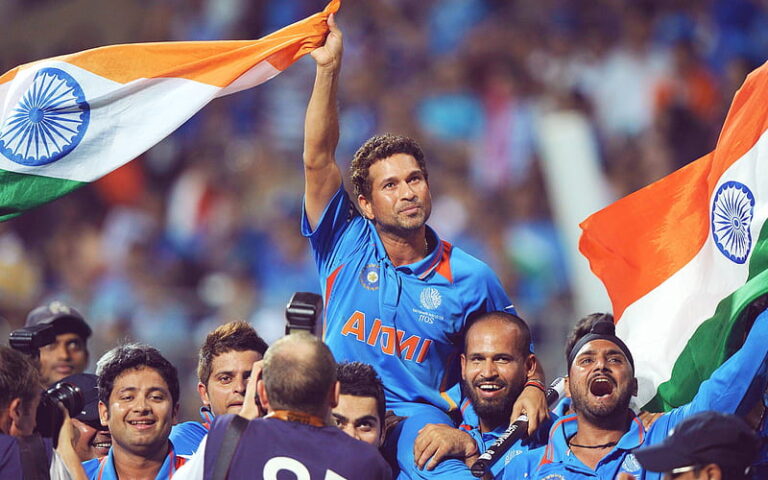
Sachin Tendulkar

God of Cricket Sachin Ramesh Tendulkar needs no introduction. He has the record of most runs in ODI cricket, most centuries, most Test runs and many more.

Known for his excellent and modern batting skills, Sachin Tendulkar is probably the main reason why children born in the 80s and 90s watch cricket. Sachin use MRF as well Adidas bats. It is said that it weighed more than 1.47 kg.

Chris Gayle

The ‘Universe Boss’ Chris Gayle is one of the most popular cricketers in history. Chris Gayle has been an integral part of T20, ODI and Test matches for almost a decade and the cricket bat that Gayle uses is the Spartan CG bat, which weighs around 1.36 kg.

Virendra Sehwag

Virender Sehwag, the first Indian player to score a triple century in Tests, is one of the most destructive openers in the world. His personality and game can be compared to many legends like Gil Christ, Hayden, Saeed Anwar, Jayasuriya. He uses a bat weighing around 1.35 kg.

Heaviest Bat: MS Dhoni

Former Team India captain Mahendra Singh Dhoni is at fourth place in this list. Dhoni, who created a sensation in the cricket world with his ‘helicopter’ shot, is credited with winning 3 ICC trophies (including two World Cups) for India. He uses a cricket bat weighing 1.27 kg.

David Warner

Heaviest Bat: David Warner is at the 5th position in the list of heaviest batsmen in cricket history. Warner is one of the most dangerous and daring batsmen the cricket world has ever seen. A left-handed batsman, he uses the Gray Nichols Kaboom cricket bat which weighs around 1.24 kg.


3 star players who may never play ODIs for England again

England’s team performed very poorly in the ODI World Cup 2023. This is the reason why their ODI team is now ready to undergo a phase of change. England’s limited overs head coach Matthew Mott has also been released and many veteran players have been dropped for the ODI series against Australia in September and many new names have been included in the team. With the Champions Trophy to be held in 2025, England may be seen playing with a new team. In such a situation, we will tell you about those 3 star players who may never be seen playing for England in ODI cricket again.

1. Jonny Bairstow

Right-handed wicketkeeper batsman Jonny Bairstow has been one of England’s key batsmen in the 50-over format. He has been performing poorly for some time now. In such a situation, this is the reason why he has not been given a place in the ODI series against Australia. Bairstow will soon turn 35 and that is why the selectors will no longer consider him. Talking about Bairstow’s ODI career, he has played 107 matches and scored 3868 runs at an average of 42.98. He has 11 centuries and 17 half-centuries to his name in ODIs.

2. Moeen Ali

Moeen Ali has also been successful in making his place in this list. Moeen has proved to be a game changer for England with the ball and bat. Like Bairstow, Moeen has also not been given a place in the ODI series against Australia. Talking about Moeen’s ODI career, he has represented England in 138 matches and has taken 111 wickets at an economy rate of 5.32. While batting, he has added 2355 runs to his account. He has 3 centuries and 6 half-centuries to his name in ODIs.

3. Ben Stokes

England’s star all-rounder and Test captain Ben Stokes has already retired from ODIs once but he returned to the team to play the 2023 ODI World Cup. He had to undergo knee surgery after the ODI World Cup, he can never think of returning to the 50-over format in the future. Apart from this, at present his focus is more on Test cricket and T20 leagues. Talking about Stokes’ ODI career, he has played 114 matches and has scored 3463 runs at an average of 95.69. He has scored 5 centuries and 24 half-centuries in ODIs. While bowling, the all-rounder has taken 74 wickets at an economy rate of 6.05.