Tuesday, August 25, 2026
Home Blog Page 13

The Complete Guide to How Many Sets in Tennis

0

Tennis, with its fast-paced rallies and thrilling moments, is adored by millions of people worldwide. Understanding the framework of a tennis match, whether you’re a seasoned fan or a casual watcher, can enhance the game’s excitement. One common question is how many sets are played in tennis.

The Complete Guide to How Many Sets in Tennis
KONICA MINOLTA DIGITAL CAMERA

In this detailed guide, we will explain everything you need to know about tennis sets. From the fundamentals of scoring to the changes in professional tournaments, we’ll review the rules, formats, and tiebreakers that comprise a tennis match’s set structure. For more detailed insights, check out this article.

What is a tennis set?

Before we discuss the number of sets in a tennis match, let’s define “set” in tennis.

The Complete Guide to How Many Sets in Tennis
SONY DSC

The Complete Guide to How Many Sets in Tennis

A set is a series of games. To win a set, a player must win at least six games and hold a two-game advantage. For example, if the score reaches 6-5, the set will continue until one player holds a 7-5 advantage. If the score reaches 6-6, a tie-break is typically used to determine the victor of the set.

But the main question is: How many sets does it take to win the full match? That depends on a variety of circumstances, including the type of match or tournament you’re viewing.

How Many Sets Are There in a Tennis Match?

The number of sets in a tennis match varies depending on the tournament structure and the gender of the players. Let’s break it down.

Men’s singles: Best of five sets
The normal format for men’s singles matches at Grand Slam tournaments (such as the Australian, French, Wimbledon, and US Open) is best of five sets. The first player to win three sets wins the match.

In major tournaments, men’s tennis uses a best-of-five-set format. It enables lengthier, more demanding bouts that test not only talent but also a player’s mental and physical stamina. However, in the majority of non-Grand Slam events, men play best of three sets instead. The shorter format makes match duration more manageable, especially for competitions with a tight schedule.

Women’s Singles: Best of three sets
Unlike men’s singles, women’s singles matches are almost always played in a best of three sets format. This means that the first player to win two sets will win the match. This format is utilized in all tennis tournaments, both Grand Slam and non-Grand Slam competitions.

The best of three sets format keeps matches fast-paced and exciting, making it a fan favorite. It also keeps women’s tennis competitive and exciting while giving shorter match times.

Doubles matches are best of three sets
Doubles tennis matches, whether men’s, women’s, or mixed doubles, are typically best of three sets. If the match ends in a 1-1 tie in sets, the third and final set is usually decided by a super tie-break, in which the first side to reach 10 points wins.

This format adds excitement to doubles matches, and the shorter format allows for high-energy play from beginning to end.

Grand Slam Tournaments: Breakdown of Set Formats

The four Grand Slam tournaments-the Australian Open, the French Open, Wimbledon, and the US Open-are tennis’ most prominent events. Each Grand Slam has its own distinct flavor and slightly different set formats.

The Australian Open
The Australian Open’s men’s singles are best of five sets, while the women’s singles are best of three sets. The hot Australian summer weather frequently influences the length of matches, and the best-of-5 format forces players to demonstrate their tenacity and stamina.

The French Open
The French Open, held on clay courts, has the same format as the Australian Open. The men’s singles are best of five sets, while the women’s singles are best of three. The slower speed of clay courts allows for longer rallies, resulting in some of tennis’ most physically demanding matches.

Wimbledon
Wimbledon, known as “the greatest tennis tournament,” likewise uses a best-of-five format for men and best-of-three sets for women. Wimbledon is known for its grass courts, which have a faster surface and result in faster points.

Wimbledon’s tie-break regulation in the final set is unusual. If the score in the final set is 12-12, a tie-break is used to determine the winner. This regulation was implemented in 2019 to avoid unusually long final sets, such as the 2010 match between John Isner and Nicolas Mahut, which lasted more than 11 hours!

US Open
The US Open uses the same set structure as Wimbledon, with best of five sets for men and best of three for women. In men’s singles, however, a tie-break is used to decide the final set if the score reaches 6-6. This technique, which has been in place since 1970, ensures that matches do not last indefinitely, keeping the drama high and the action flowing quickly.

Other Tennis Events and Set Formats

Aside from the Grand Slams, other notable tennis tournaments and events follow their own formats.

Davis Cup & Fed Cup
The Davis Cup (for men) and Fed Cup (for women) are international team tournaments that use a best-of-five format for singles matches. The multi-day format of these games allows players to participate in a test of endurance and teamwork, particularly in singles and doubles matches.

Olympics
Tennis competitions at the Olympic Games are best-of-three sets for both singles and doubles. The shorter format prevents competitors from becoming unduly weary while competing in the multi-event competition.

Tie-Breaks and Decision Sets
The tie-break is an important feature of tennis that you should grasp since it ensures that a set does not go on indefinitely. This is how it works.

A tie-break happens when the score in a set reaches 6-6.
In the tie-break, the player who first reaches 7 points with a two-point lead wins the set.
If the tie-break reaches 6-6, it will continue until one player wins by two points.
However, the final collection contains a few variations:

When the score reaches 12-12, Wimbledon uses a tie-break to decide the final set.
The US Open has traditionally employed a tie-break in the final set at 6-6 to ensure that matches don’t drag on forever.

Factors affecting the number of sets played

While most tennis matches follow the forms mentioned above, various factors might change the number of sets played.

  • Rain, excessive heat, and other weather circumstances may cause matches to be delayed, rescheduled, or shortened.
  • Player Fatigue: Long, drawn-out bouts can cause players to feel exhausted, affecting match length. Injury time-outs and break periods can also cause changes in match timing.
  • Rule Changes: Some events may alter rules based on player input, fan preferences, or the nature of individual matchups.

Why Understanding Sets in Tennis is Important

Whether you’re a casual viewer or a die-hard fan, knowing how many sets are played in tennis is critical to fully enjoying the game. Each format, from the conventional best of five sets format in Grand Slams to the more streamlined best of three sets in other tournaments, presents its own set of challenges and thrills.

The Complete Guide to How Many Sets in Tennis

In tennis, the number of sets can substantially alter the outcome of a match, adding excitement, drama, and the opportunity for players to demonstrate their endurance and tenacity. So, the next time you watch a match, you’ll know precisely what’s at stake when the players go to the court!

FAQs

1. How long is an average tennis set?

  • A tennis set typically lasts between 30 minutes and an hour, depending on the players’ skill level and the use of a tie-break.

2. Can a tennis match be a draw?

  • Tennis matches don’t usually end in draws. The adoption of tie-breaks ensures that matches always have a clear winner.

3. What happens if players score 6-6 in a set?

  • A tie-break is used to determine the victor of the set. This prevents the match from going on endlessly and adds excitement to the game.

4. Why do certain competitions use best-of-three or best-of-five sets?

  • Grand Slams employ best-of-5 sets for men to test endurance, although most other competitions use best-of-3 sets for both men and women to shorten matches.

5. What happens if a player decides to retire from a match?

  • If a player retires due to injury, the opponent wins the match by default, with the score at the time determining the outcome.

6. Can a match carry on indefinitely?

  • No, tiebreakers ensure that matches do not last indefinitely. In some circumstances, such as Wimbledon, the last set includes a tie-break at 12-12.

7. What is a super tie-break?

  • A super tie-break is a 10-point tiebreaker that is sometimes used in doubles or to determine a third set.

8. Why is the final set so exciting?

  • The final set is fierce since it is the last chance to win, and a tie-break is often used to determine the winner under pressure.

9. Do all competitions employ tiebreakers in the last set?

  • No, some tournaments (including Wimbledon till 2019) only utilize a final-set tie-break at 12-12, while others (like as the US Open) use a tie-break at 6-6.

10. What is the longest tennis match ever?

  • The longest match was played at Wimbledon in 2010, between John Isner and Nicolas Mahut, lasting 11 hours and 5 minutes.

11. How do players prepare for best-of-five matchups?

  • Players train for stamina, endurance, and mental toughness, as well as proper nutrition, hydration, and recovery.

12. Why are tennis matches interrupted?

  • Weather factors, like as rain or excessive heat, may cause matches to be interrupted. Indoor bouts are rarely interrupted.

13. What is the distinction between a set and a match?

  • A set is a series of games, but a match is won by the player/team who wins the specified number of sets.

14. How does a tie-break work in a Grand Slam?

  • Players compete to score 7 points, with a 2-point lead required to win the tiebreaker.

Finally, both players and fans must comprehend how many sets are played in tennis. Knowing the regulations improves your viewing experience, whether you’re watching the Grand Slam or a friendly match. Tennis offers various variants, ranging from best-of-three to best-of-five, that keep the game thrilling and unpredictable. Quick News Feed provides more sports thoughts and updates.


 

why do basketball players wear tights

0


If you’ve ever seen a basketball game, you’ve probably noticed that many players wear tight-fitting compression clothing, sometimes known as tights or compression trousers. While basketball shoes frequently take center stage, these snug articles of clothing have grown in favor among players of all skill levels.

In the fast-paced world of sports, players are constantly seeking for ways to improve their performance, outperform their opponents, and stay ahead of the competition. What makes these tights so important, and why are they so prevalent on the court?  Let’s look into the multiple reasons behind this game-changing movement.

why do basketball players wear tights

One important response to the question “Why do basketball players wear tights?” is that compression garments provide numerous benefits. Compression tights and shorts are athletic clothing that uses progressive pressure to target specific parts of the body.

This pressure improves blood circulation, reduces muscular vibration, and provides vital support for muscles and joints. Compression gear is made of sophisticated, flexible fabrics that mold perfectly to the body’s contours, delivering a snug fit that does not limit movement. What exactly makes these form-fitting clothing so popular among basketball players? Let’s take it apart.

The advantages of compression garments

Can compression shorts really improve a player’s performance? Experts believe they can, although the benefits are often more important in terms of recovery and mental confidence than in terms of direct game performance. While compression clothing provides practical benefits such as enhanced blood circulation and reduced muscular fatigue, its psychological impact and function in post-game recovery may exceed its immediate on-court impacts.

So, while these garments are useful tools in an athlete’s inventory, they are unlikely to determine the outcome of a game. It is critical to consider the larger elements influencing performance rather than focusing just on who is wearing the most Lycra.

1. Improves Blood Circulation and Oxygen Delivery

One of the main reasons basketball players wear tights is to increase blood circulation and oxygen supply to their muscles. In a high-intensity basketball game, players are continuously on the move, running, jumping, and changing directions quickly. Compression tights apply slight pressure on the legs, facilitating improved blood circulation. This enhanced circulation improves the efficiency with which oxygen and nutrients are delivered to the muscles, allowing for more prolonged performance and lowering exhaustion during these quick, high-energy motions.

2. Preventing Injury and Muscle Soreness

Another convincing reason basketball players wear tights is their ability to prevent injuries and reduce muscular soreness. Intense physical activity, such as the fast-paced motions of basketball, can cause muscle strain and micro-tears in muscle fibers, which frequently results in delayed onset muscle soreness (DOMS). Compression tights help by reducing muscle vibration, which lowers the risk of muscle injury and DOMS.

Compression tights also provide crucial support to muscles and joints, increasing stability and reducing the danger of overextension or improper motions that could lead to injury. This additional layer of protection is especially important in basketball, where sudden stops, explosive starts, and rapid directional changes are typical.

While compression tights are incredibly effective, players can reduce muscle soreness even more by adopting correct warm-ups, active recovery techniques, foam rolling, staying hydrated, and supplementing with Hercules Supplements to improve recovery and performance.

3. Preventing Deep Vein Thrombosis

Another reason basketball players wear tights is that they may help avoid deep vein thrombosis. This disorder, which causes blood clots to form in deep veins (usually in the legs), can be fatal. While athletes, such as basketball players, are less likely to develop DVT than long-distance travelers or individuals with certain medical disorders, the sport’s intensive physical demands necessitate circulation support.

Compression tights improve blood flow by providing continuous pressure, lowering the risk of blood pooling and clot formation. This enhanced circulation assists athletes not only during games, but also during recovery, thereby improving overall vascular health.

Dr. Pedram Kordrostami, M.D., BSC, PGCERT, Omre’s CEO, emphasizes that compression gear is about more than just performance. It also helps to defend against illnesses like DVT, demonstrating how performance clothing can benefit both athletes and their long-term health.

NBA Players and The Compression Trend

The fad of basketball players wearing tights has gained traction in the NBA, where stars such as LeBron James and Stephen Curry are frequently spotted wearing compression garments during games and practices. The NBA’s demanding schedule, which includes many games and hard training sessions, heightens the attractiveness of compression apparel. These garments help players maintain peak performance, reduce fatigue, and reduce the risk of injury—all of which are essential for elite athletes.

Wearing compression tights has a significant psychological impact in addition to their physical benefits. Many athletes say that wearing supportive and comfortable gear makes them feel more confident and focused. This mental edge enables players to focus completely on their game without distractions, resulting in enhanced performance.

Choosing the Right Compression Gear

To properly comprehend why basketball players wear tights, evaluate the quality of the equipment they use. High-quality compression tights from respected brands provide the appropriate amount of pressure and support without sacrificing comfort. The fit should be snug but flexible, providing maximal advantages while allowing for complete range of motion.

Players should visit sports physicians or athletic trainers to select the optimum sort of compression gear for their specific demands. When making a pick, consider the level of compression, fabric quality, and durability.

The importance of compression tights

Compression tights are popular among basketball players because they improve performance, reduce injuries, and boost overall health. These clothing have become essential for modern athletes because they stimulate blood circulation, reduce muscle vibration, and increase stability.

Compression tights have shown to be a versatile and useful tool for both NBA superstars and local league players. As the trend takes pace, it becomes clear that compression wear is more than just a fashion statement; it is a necessary component of athletic performance on and off the court.

Improved performance on the court 

Optimizing muscle temperature

Basketball games feature quick shifts from high-intensity play to short rests. Tights assist keep muscle temperature stable during these changes, reducing stiffness and ensuring peak performance.

Improved Range of Motion

The sleek shape of compression tights reduces drag and allows for free movement. Players can jump higher, sprint quicker, and change direction more easily, providing them a competitive advantage.

Reduced Muscle Oscillation

When athletes race or jump, their muscles oscillate, resulting in energy loss. Tights reduce this oscillation, saving energy and increasing overall efficiency throughout games.

Features include moisture-wicking, and comfort

Sweat management

Basketball games may be extremely physical, with players sweating considerably. Modern compression tights are comprised of moisture-wicking materials that pull sweat away from the skin. This keeps players dry, decreasing discomfort and the likelihood of skin irritations.

Prevention of Chafing
Tights’ close fit prevents friction between skin and clothing, which is a typical cause of chafing. This is especially critical during extended play or intense training sessions.

Lightweight Comfort
Despite its tight fit, compression gear is lightweight and breathable. Players can focus on the game without feeling constrained, which improves their overall comfort and performance.

Style and Personal Preference

Basketball Culture

Basketball is a cultural phenomenon, not just a sport. The style and fashion trends exhibited on the court frequently extend to streetwear and everyday wear. Players wear tights not just for functional reasons, but also to make a statement.

Individual Expression

Tights come in a range of colors, patterns, and styles, allowing players to exhibit their individuality. Tights, whether in a vibrant print or a clean, minimalist look, offer a unique touch to a player’s clothing.

Team Aesthetics

Many teams include compression gear into their uniform designs to provide a cohesive and professional appearance. Tights are frequently used by players to match team colors or branding, hence increasing visual attractiveness on the court.


Tights are vital for boosting a basketball player’s game since they provide numerous physiological and psychological advantages. The compression material increases blood circulation, allowing oxygen to enter the muscles more effectively. This not only boosts performance but also reduces muscle fatigue throughout long, tough competitions. Furthermore, the tights’ snug fit encourages muscle alignment while lowering the risk of strain or injury by stabilizing joints and reducing unwanted muscle vibrations.

Tights provide both psychological and physical benefits. The minimalist appearance boosts athletes’ confidence, allowing them to focus entirely on their performance without interruption. Many athletes believe that wearing tights encourages uniformity and professionalism, which improves team chemistry and individual focus.

Compression tights can help reduce muscle discomfort after a game. They assist reduce lactic acid buildup and swelling, allowing for faster recuperation and preparation for the next bout. This advantage is especially important in basketball, where back-to-back games are prevalent and recovery time is frequently short.

Tights have been culturally associated with current basketball aesthetics. Many players, influenced by NBA stars, use them not just for utility but also to express their on-court identity. This tendency has spread to amateur leagues and supporters, making tights a mainstay of basketball attire.

Whether you’re looking to elevate your game or appreciate the nuances of athletic gear, basketball tights embody the perfect blend of science, style, and sport.

Are you a fan of basketball gear? Please share your views and experiences in the comments below! For more exciting articles, visit Quick News Feed.com

A guide to the Albanian Riviera

0

A Complete Guide to the Beautiful Albanian Riviera: Your Ultimate Travel Companion

Looking for an off-the-beaten-path resort with lovely beaches, a fascinating history, and breathtaking natural beauty? The Albanian Riviera is suitable for those seeking adventure, relaxation, and cultural exploration. Nestled along the Ionian Sea, this stunning beachside location has swiftly become one of Europe’s most popular vacation spots. The Albanian Riviera, with its clean beaches, clear blue waters, and charming villages, offers a pleasant refuge for those looking for peace away from popular tourist sites.

DCIM102GOPROG1289432.

The Albanian Riviera has something for everyone, whether you want to relax on sun-kissed beaches, hike through beautiful national parks, or learn about the region’s rich cultural legacy. The region is home to historic ruins, UNESCO World Heritage sites, and picturesque coastal towns such as Himara and Dhermi, where you may experience authentic Albanian friendliness. From relishing the local cuisine, which includes fresh seafood and traditional dishes, to exploring the rough mountains and crystal-clear waters, the Albanian Riviera offers a memorable vacation full with adventure and relaxation. In this article, we’ll go over everything you need to know to make your visit here truly unforgettable.

How to get to the Albanian Riviera

The Albanian Riviera is easily accessible from various parts of Europe, making it a perfect destination for both short and long vacations.

Here’s how to get there:

By Air

International tourists to Albania often fly into Tirana International Airport (TIA), the country’s major gateway. The Riviera begins in vlore approximately a 2-hour journey from here. Alternatively,saranda the southernmost seaside town, can be accessed by flying to Corfu and then taking a fast ferry across the Ionian Sea.

By Car

Renting a car allows you to explore at your own speed. The trip down Albania’s coastline provides spectacular vistas, and you may stop at secret beaches and quaint towns along the way.

By Ferry

If you are traveling from nearby Greece, boats to Saranda are available from Corfu. These boats provide a charming way to arrive in Albania while taking in the breathtaking coastline scenery.

Best time to visit

The best season to visit the Albanian Riviera is from May to September, when the weather is mild and the beaches are ideal for sunbathing. Consider visiting during the shoulder seasons of spring and autumn, when people are less.

Is the Albanian Riviera expensive?

The Albanian Riviera is budget-friendly, with options for all types of travelers. While luxury resorts and fine dining can be expensive, there are numerous affordable guesthouses, hostels, and local restaurants where you can enjoy great value. This makes it an excellent choice for both budget-conscious travelers and those looking for a more luxurious experience.

Top Destinations in the Albanian Riviera

The Albanian Riviera includes some of Europe’s most gorgeous seaside villages. Each has its own unique charm and offers a wide range of activities for all types of travelers.

Dheremi : A Combination of Peacefulness and Nightlife

Dhermi is known for its crystal-clear waters, beautiful beaches such as Drymades, and active nightlife. You can spend the day relaxing on the beach, participating in water sports, or exploring the town’s short streets. When the sun goes down, Dhermi changes into a thriving party and beach club destination. It’s the ideal location for individuals seeking both calm and excitement.

Himara– Where History Meets the Sea

Himara_2021

Himara is a tranquil beach town that gives visitors the ideal combination of nature and history. Livadi and Spile beaches are ideal for sunbathing and swimming in crystal-clear seas. Don’t miss Himara Castle, a 12th-century castle with breathtaking panoramic views of the coast. You may meander through old streets, eat fresh seafood, and enjoy the relaxed atmosphere.

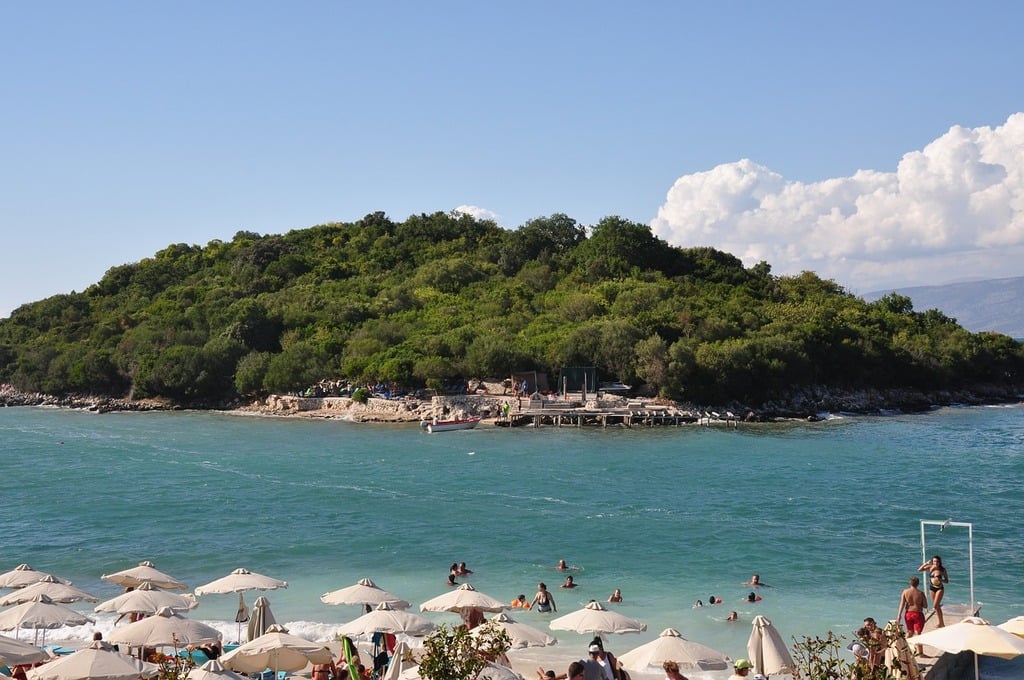
Ksamil : A Beach Lovers Paradise.


Ksamil is frequently described as Albania’s answer to the Maldives, and with good cause. Ksamil is famed for its turquoise waters and fine white sands, as well as several small islands accessible by boat, kayak, or paddleboard. This beautiful location is great for couples and families seeking a relaxed beach vacation with plenty of swimming and snorkeling opportunities.

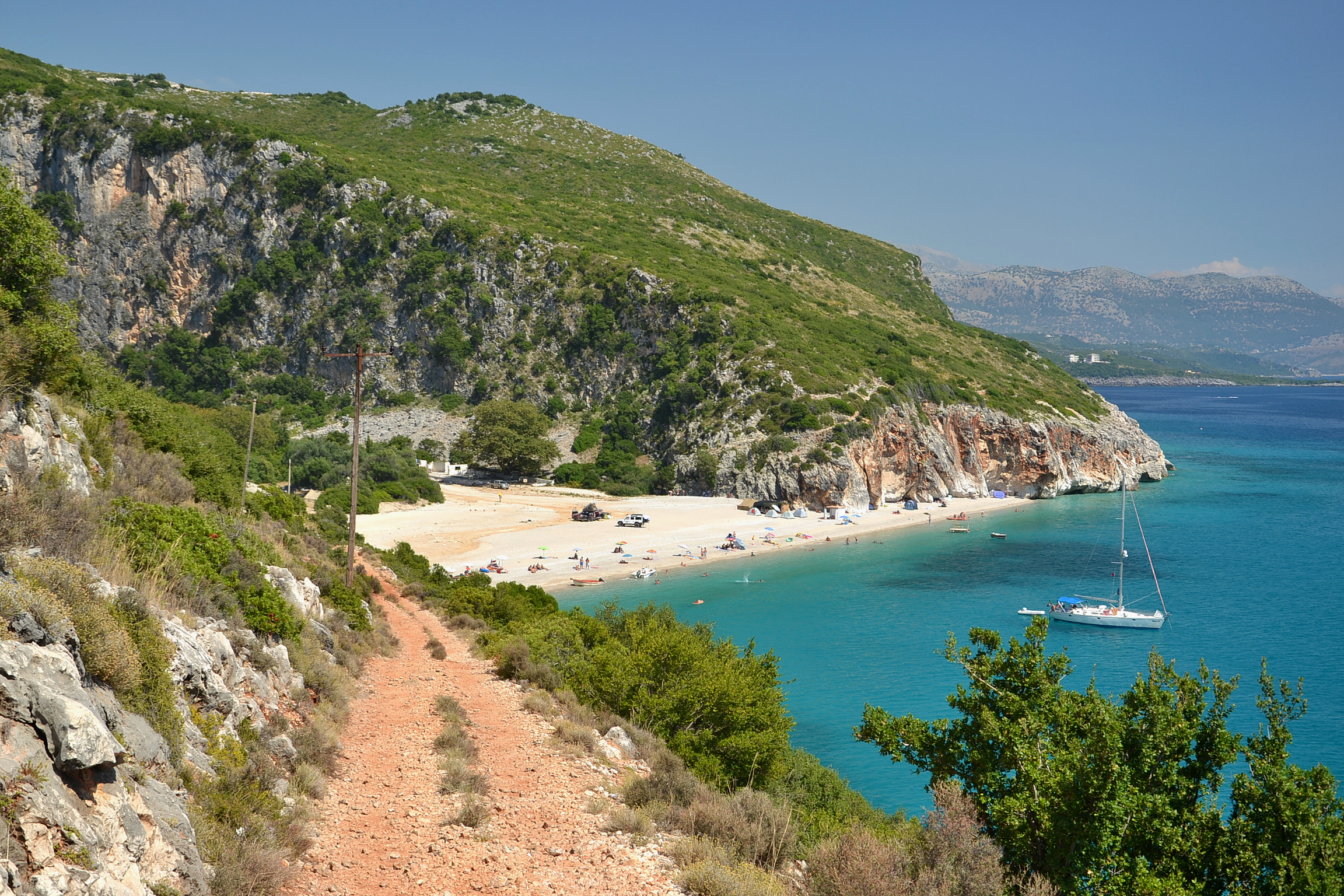
Gjipe Beach (near Dhermi)

Saranda, a vibrant gateway to the Riviera.

CIty_of_Saranda_Albania_2016 (1)

Saranda, located in southern Albania, serves as a bustling gateway to the Riviera. It is a flourishing town known for its lively promenade, beachfront restaurants, and vibrant nightlife scene. Saranda also has some of Albania’s most notable attractions, including the ancient remains of Butrint National Park, a UNESCO World Heritage Site, and the stunning Blue Eye Spring. If you want to experience history while also enjoying modern comforts, Saranda is the place to go.

Vlorë:The Historical Starting Point.

Vlorë, the starting point of the Albanian Riviera, holds historical value. Albania proclaimed independence here in 1912, and visitors may now learn about its rich history at the Independence Monument. The Llogara Pass, with its spectacular views of the Ionian Sea, is a must-see for nature lovers and adventurers. Vlorë’s location near natural beauties gives it a perfect base for exploring the Riviera.

What to do on the Albanian Riviera

The Albanian Riviera has a diverse choice of activities, guaranteeing that every visitor may find something to suit their interests.

1. Beach Exploration
The coast is lined with beautiful beaches, each with its own distinct character. From the peaceful waters of Jale Beach to the isolated Gjipe Beach, you’ll be spoilt for choice. The Riviera’s beaches are far less congested than those in other parts of Europe, making them perfect for visitors looking for peace and quiet.

2. Watersports
The Albanian Riviera is a dream destination for water sports aficionados. In the Ionian Sea’s crystal-clear waters, you may snorkel, scuba dive, kayak, and windsurf. Ksamil and Saranda are especially popular for these sports due to their calm waters and breathtaking underwater environment.

3. Explore Ancient Ruins.
The Riviera is steeped in history, with several old ruins ready to be explored. Butrint, an archaeological site in Saranda, is one of the most spectacular and well-preserved ancient Mediterranean cities. It provides an intriguing peek into Albania’s past, complete with Roman baths, amphitheaters, and temples.

4. Sample local cuisine.
The indigenous Albanian cuisine is a delectable blend of Mediterranean and Balkan influences. Try local favorites like tavë kosi (a baked lamb and yogurt dish) and fresh fish, which are popular along the Riviera. Be sure to eat by the sea and drink raki, Albania’s famed handmade fruit brandy.

5. Hikes and Nature Trails
If you enjoy the great outdoors, Llogara National Park is the ideal destination. The park has scenic hiking routes, breathtaking views, and possibilities for bird viewing. The Llogara Pass is particularly popular due to its stunning views of the Ionian Sea and the surrounding mountains.

Where to Stay on the Albanian Riviera.

The Albanian Riviera has a variety of accommodation alternatives, including luxurious resorts, budget-friendly hotels, and quaint guesthouses. Here are some choices to consider:

Luxury resorts
Stay at one of Saranda’s or Ksamil’s finest resorts for a really unforgettable experience. These resorts include stunning sea vistas, world-class amenities, and first-rate service.

Budget-Friendly Hotels and Guesthouses
Traveling on a budget? Don’t worry! Many cheap guesthouses and small hotels may be found in towns like Dhermi and Himara on Albania’s Riviera. These motels frequently offer excellent value for money, with some even providing traditional Albanian hospitality.

Camping
Camping along the coast offers a more adventurous experience. There are numerous picturesque beaches where you can pitch a tent and enjoy the natural surroundings. Camping is ideal for nature enthusiasts and those looking for a more rustic experience.

What should I pack for a trip to the Albanian Riviera?

  • Pack light, breathable clothing for the warm summer months, swimwear for the wonderful beaches, and comfortable walking shoes for seeing the attractive villages and breathtaking landscapes of Albania’s Riviera.
  • Sunscreen, a hat, and sunglasses are all must-haves for sun protection.
  • A light jacket is recommended for cooler evenings, as well as a camera to record the stunning vistas along the coast.

Is Albania safe for tourists?

Yes, Albania is relatively secure for travelers. The country has increased in popularity, and the majority of individuals in tourist destinations speak English. However, like with any vacation, it is critical to remain attentive and keep a watch on your possessions, particularly in crowded areas.

Travel Tips for visiting the Albanian Riviera

Here are some travel suggestions to help you get the most out of your trip:

  • The official currency is the Albanian Lek (ALL). While most shops accept credit cards, it’s a good idea to bring cash for smaller towns and rural areas.
  • The main language is Albanian, however English is widely spoken, particularly in tourist areas.
  • Safety: Albania is typically a safe place to visit. However, when driving on curving mountain roads, use caution and remain aware of your surroundings.
  • Packing Tips: Pack lightweight, breathable clothing for the warm summer months, as well as a light jacket for chilly evenings. Don’t forget sunscreen, a good camera, and sturdy walking shoes when exploring.

Are there any unique cultural experiences in the Albanian Riviera?A guide to the Albanian Riviera

Experience traditional Albanian music and dancing at festivals or local events.

Handmade Goods: Shop in local markets for one-of-a-kind handmade goods and gifts, such as pottery and textiles.

A guide to the Albanian Riviera

Albanian Cuisine: Try genuine delicacies like tavë kosi (baked lamb with yogurt) and fresh fish at seashore restaurants.

A guide to the Albanian Riviera

Cultural Festivals: Local festivals showcasing Albanian culture, music, and history are frequently hosted in coastal communities.

A guide to the Albanian Riviera

A guide to the Albanian Riviera

Discover the country’s rich history by visiting historic sites like Butrint and Gjirokastër, which are UNESCO World Heritage Sites.

Village Life: Learn about traditional village life by visiting isolated communities and mingling with residents, who are noted for their friendliness and hospitality.

Are there ferries from Corfu to Saranda?

Yes, ferries run on a regular basis between Corfu, Greece, and Saranda, Albania, making the journey between the two destinations both convenient and scenic. The ferry ride is brief, usually approximately 30 minutes, and provides beautiful views of the Ionian Sea, making for a relaxing start to your journey.

A guide to the Albanian Riviera

IMO 8875700These ferries are a popular choice for tourists visiting the Albanian Riviera because they provide a convenient and scenic link. Several firms provide daily services during peak tourist season, and tickets are often reasonably priced. It’s an excellent method to go from Greece to Albania while seeing the picturesque coastline.

What is the currency used in the Albanian Riviera?

  • The Albanian Lek (ALL) is the official currency of Albania.
  • Credit cards are accepted in major towns and tourist destinations.
  • It is advisable to bring cash for tiny settlements and local businesses.

Can I drive in Albania with a foreign license?

You can drive in Albania with a valid foreign driver’s license. Most tourists can use their existing licenses for short-term stays, but use caution, especially on winding mountain roads and in rural regions. Always wear your seatbelt and obey local driving rules for a safe and comfortable journey on Albanian roads.

Why Should You Visit the Albanian Riviera?

A guide to the Albanian Riviera

The Albanian Riviera is a gem waiting to be discovered. The Riviera offers a unique blend of natural beauty, rich history, and Mediterranean charm, whether you’re sunbathing on its gorgeous beaches, touring ancient ruins, or eating delicious food. Plan your vacation today and see why this seaside beauty is swiftly becoming one of Europe’s most popular destinations.

Following this advice will prepare you to enjoy the best that the Albanian Riviera has to offer. Whether you’re visiting for a few days or planning a longer stay, Albania’s breathtaking coastline will undoubtedly leave you with unforgettable memories. For more travel inspiration, visit quicknewsfeed.com.”


what is a rebound in basketball

0

Basketball is a fast-paced, dynamic sport that demands strategy, skill, and athleticism. Among the several components that contribute to the game’s excitement, rebounding stands out as a vital factor that can decide the fate of a game. Rebounding is the act of collecting the ball following a missed shot attempt, allowing teams to either maintain possession or transition to offense. It is more than just grasping the ball; it is about positioning, time, and effort, making it a technique that requires both physical and cerebral strength. This game component is critical, whether it’s snagging an offensive rebound to provide a second-chance opportunity or securing a defensive rebound to stop the opponent’s scoring attempt.

what is a rebound in basketball

Understanding the value of rebounding extends beyond the court; it provides insight into the strategic depth of basketball. The ability to dominate the boards frequently translates into control of the game’s tempo and flow. Teams that thrive in rebounding can irritate their opponents, create more scoring opportunities, and successfully shut down opposition plays. This article looks into the subject of rebounding, discussing the numerous varieties, the tactics that make players good rebounders, and why learning this fundamental talent is critical for both teams and individual players. Whether you’re a player looking to develop or a viewer wanting to understand the nuances of the game, this book will throw light on one of basketball’s most important aspects. You can also check out our Emiliano Martinez injury update for more sports-related insights.

Types of Rebounds

Rebounds occur when a player retrieves the ball following a missed shot attempt. There are two major sorts of rebounds:

1. Offensive rebound

what is a rebound in basketballAn offensive rebound occurs when a member of the shooting team retrieves the ball following a missed field goal or free throw. This provides the offensive team with another opportunity to score while retaining possession and putting pressure on the defense.

Example: A missed three-pointer is grabbed by the shooting team’s forward, resulting in a second-chance layup.

Impact: Offensive rebounds can shift the momentum of a game by creating more scoring opportunities and irritating the opposition defense.

2. Defensive rebound

what is a rebound in basketball
A defensive rebound happens when a defending player retrieves the ball after the other team misses a shot. It enables the defense to convert into attack and maybe set up a fast break.

For example, a missed jump shot is grabbed by the defending team’s center, causing a counterattack.

Impact: Defensive rebounds are crucial for limiting the opposition team’s scoring opportunities and establishing the tempo for your squad.

Techniques for Rebound

Mastering the art of rebounding demands a combination of talent, strategy, and physical prowess. Here are some basic techniques:

  • Positioning: Always place yourself between your opponent and the hoop. This gives you the best chance to get the rebound by boxing out the opposing player.
  • Boxing Out is the essential technique for grabbing rebounds. When a shot is attempted, turn your back to the basket and use your body to create space between you and the opponent. To maintain balance and prevent your opponent from reaching the ball, keep your arms extended and your legs open.
  • Anticipating the Shot: To improve your rebounding, watch the ball’s trajectory and anticipate where it will land. Knowing if the shot is a miss and how it will bounce off the rim might offer you an advantage in placement.
  • Timing: The key to rebounding is timing your jump. Wait for the ball to fall down before jumping. Jumping too early or too late can allow your opponent to catch the rebound.
  • Strong Hands: Strong hands are required to secure the ball once you’ve jumped for it. Squeeze the ball tightly as you grab it to keep it from slipping away or being whacked by an opponent.
  • Pursuing the Ball: After a missed shot, always be prepared to chase down the rebound. The ball may bounce unpredictably, so stay aware and ready to react fast in any direction.
  • Dribbling After the Rebound: Once you’ve secured a defensive rebound, take a minute to examine the situation. If you’re close to the hoop, you can attempt a putback or swiftly throw the ball to a teammate to transition into offense.
  • Reading the Rim: Different sorts of shots leave the rim in various ways. A long shot usually bounces farther, whereas a short shot stays closer to the hoop. Understanding how different shots react off the rim can help you position yourself for rebounds.
  • Use Your Body: Don’t rely solely on jumping to get rebounds. To create space, push opponents away, maintain your arms extended to defend the ball, and stay.

Skills Required for Effective Rebounding

Successful rebounding necessitates a combination of physical and mental characteristics.

1. Strength and physicality
Rebounding frequently requires physical contact. A powerful upper body allows athletes to stand their ground and control the ball.

2. Awareness and Decision

Effective rebounding requires quick decision-making on ball placement and blocking.

3. Agility and Jumping Ability

Being nimble allows players to go around opponents, and superior jumping ability allows them to reach higher for the ball.

Rebounding Statistics

Rebounds are methodically documented in basketball statistics. These statistics demonstrate a player’s ability to dominate the boards and contribute to their team’s success.

Famous NBA rebounders

  • Dennis Rodman: Known as “The Worm,” Rodman was a rebounding monster who led the NBA in rebounds per game for seven straight years.
  • Wilt Chamberlain has the record for most rebounds in a single game (55).
  • Bill Russell was a defensive rebounding specialist who guided the Boston Celtics to numerous championships.

Famous WNBA rebounders

  • Lisa Leslie: Leslie was a strong force in the paint, consistently leading the league in rebounding during her career.
  • Sylvia Fowles, known for her remarkable strength and positioning, is one of the WNBA’s all-time leading rebounders.

Famous Rebounding Moments in Basketball History.

Rebounds have been the deciding factor in many classic basketball games.

  • LeBron James (2016 NBA Finals Game 7): In the waning minutes, LeBron’s key defensive rebound helped the Cleveland Cavaliers win their first NBA championship.
  • Larry Bird (1987 Eastern Conference Finals): Bird’s crucial rebound and pass to Dennis Johnson resulted in a game-winning basket, pushing the Celtics to victory.
  • Dennis Rodman (1996 NBA Finals Game 4): Rodman got 14 rebounds and helped the Chicago Bulls defeat the Seattle SuperSonics.
  • Kareem Abdul-Jabbar (1985 NBA Finals): Kareem’s outstanding rebounding performance helped the Los Angeles Lakers defeat the Boston Celtics and win the championship.
  • Kevin Durant (2017 NBA Finals Game 3): Durant collected a critical rebound and putback to help the Golden State Warriors win the Finals.
  • Wilt Chamberlain (1960 NBA Season): Chamberlain recorded an incredible 55 rebounds in a single game, cementing his rebounding history.
  • Bill Russell (1962 NBA Finals Game 7): With 30 rebounds, Russell helped the Boston Celtics win the NBA Finals over the Los Angeles Lakers.
  • Tim Duncan (2003 NBA Finals Game 6): Duncan’s crucial rebound and putback in the dying seconds propelled the Spurs to their second championship.
  • Joakim Noah (2011 NBA Playoffs Game 5): Noah’s offensive rebound and putback clinched the Chicago Bulls’ victory over the Atlanta Hawks.
  • LeBron James (2016 NBA Finals Game 7 Block and Rebound): Following his historic block, LeBron grabbed a crucial rebound and assist to help the Cavaliers win the championship.

These moments demonstrate how rebounds can alter the course of a game and leave fans with amazing memories.

Training Tips for Rebounding

To improve their rebounding skills, players should focus on specific drills and exercises:

  • Drills include rebounding simulation, where a coach or teammate intentionally misses shots to practice boxing out and securing the ball.
  • Jumping drills: Use plyometric exercises to improve your vertical leap.
  • Two-on-Two Rebounding: Practice rebounding in a game-like setting to enhance your positioning and timing.
  • Strength training techniques such as squats, deadlifts, and bench presses can help improve physical strength required for rebounding.
  • Agility Training
    Ladder drills and cone drills can improve your footwork, making it simpler to get into the best rebounding positions.

Why Rebounding Is Crucial

  • Possession: Teams that dominate rebounds have control over the ball and may set the speed of the game.
  • Second-Chance Opportunities: Offensive rebounds increase scoring opportunities, placing pressure on the defense.
  • Limits Opponent Scoring: Defensive rebounds interrupt opponents’ possessions and prevent second-chance points.
  • Puts pressure on defense: Consistent offensive rebounding makes defenders work harder, resulting in easy scoring opportunities.
  • Facilitates Fast Breaks: Rebounds allow teams to rapidly transition to attack, surprising the defense.
  • Sets the Game. Tempo: Strong rebounding teams have influence over the game’s pace, which can be slowed or increased.
  • Limits Opponent Shots: Getting more rebounds limits the opponent’s scoring potential by preventing extra shots.
  • Boosts Team Morale: Dominating the boards builds confidence and team spirit.
  • Prevents Second-Chance Points: Effective rebounding restricts the opposition team’s ability to score on missed shots.
  • Keeps Defenders on Edge: Offensive rebounds exhaust defenders, requiring them to remain alert and work harder.
  • Creates Scoring Opportunities: Rebounds frequently result in easy putbacks or fouls, which lead to free throws.
  • Improves Overall squad Performance: A strong rebounding squad performs better on both offense and defense.
  • Maximizes Efficiency: More rebounds result in more possessions and scoring opportunities, increasing offensive efficiency.

Rebounding is essential in determining the outcome of a game. Teams who thrive at rebounding frequently have more scoring opportunities and have greater success on both sides of the court. Controlling the boards, whether it’s a key defensive rebound or an important offensive rebound for a second-chance basket, is critical for winning games.

what is a rebound in basketball

To summarize, rebounding is much more than simply grabbing a ball; it requires positioning, timing, and unwavering effort. Whether you’re a player wanting to elevate your game or a basketball fan who wants to learn the intricacies, learning the art of rebounding may improve both your performance and the outcome of the game. Remember, every rebound is an opportunity to make a difference, whether it’s converting an attacking second chance or stopping your opponent’s attack. So get out there, practice these skills, and transform yourself into the rebounding machine your team requires. Keep hustling and improving, and those boards will become your domain!

Are you ready to step up your game even further? Stay tuned for more professional tips and insights right here on QuickNewsFeed.com

Basketball Positions Explained: Roles, Responsibilities, and Skills for Every Player

0


Basketball is a game of collaboration, strategy, and skill. Understanding basketball positions is vital for understanding how the game operates. Every player on the court is assigned a certain job and responsibility, which governs their movements, interactions, and contributions to the team’s overall success.

Basketball Positions Explained: Roles, Responsibilities, and Skills for Every Player

Whether you’re a beginner or a die-hard fan, this article will explain the five primary basketball positions and their roles, responsibilities, and vital talents. For updates on another major sporting event, check out ICC Champions Trophy 2025: Dates, Teams, and Key Details.

There are also hybrid roles in basketball, which combine two or more regular positions into one:

Understanding Basketball Positions and Why They Matter

Basketball is played with five players on each team, each of whom plays a designated position on the floor. Each role has unique tasks that complement the others. A well-coordinated team relies on the synergy of these positions to outperform their opponents, maximizing each player’s strengths while compensating for their limitations.

To completely appreciate the game’s flow, it’s important to understand the obligations that come with each position. Understanding the dynamics of basketball positions, whether you’re watching a professional game or playing on a local team, can considerably increase your enjoyment of the sport.

In this article, we’ll explore the five traditional basketball positions on the court, as well as four hybrid roles that blend multiple positions. For additional insights on the essential features basketball players require, check out-what-features-basketball-players-require

The image below illustrates the positions on the basketball court:

Basketball Positions Explained: Roles, Responsibilities, and Skills for Every Player
Basketball_Positions

Point Guard (PG): The Playmaker

Role:

  • The role of a point guard (PG) is playmaking.
  • The point guard is frequently referred to as the “floor general” or “playmaker” of the squad.
  • They are in charge of the offense, making important decisions and setting the tone for the game.

Responsibilities:

  • Leading the offense: The Point Guard is in charge of starting plays, which is generally done by dribbling the ball up the court and guiding teammates.
  • Creating opportunities: They use their court vision to set up scoring opportunities by transferring the ball to teammates in ideal shooting positions.
  • Facilitating teamwork: They guarantee that the ball flows smoothly throughout the court, preventing any one player from dominating possession for an extended period.

Key Skills:

  • A Point Guard must have outstanding dribbling abilities in order to control the ball under duress and navigate around defenders.
  • Passing accuracy is critical for setting up teammates, particularly with intricate or rapid passes in tight spaces.
  • Court vision: The ability to view the entire floor and make quick decisions is a trademark of a great point guard.
  • Leadership: Point guards must motivate their teammates by making rapid judgments and maintaining composure under duress.

Physical requirements

The point guard is usually the smallest player on the team. In the NBA, point guards typically stand between 6’3″ and 6’7″, while some may be somewhat shorter or taller depending on their playing style.

Notable NBA point guards:

Magic Johnson (1979–1991, 1996).
Stephen Curry (2009–present)
John Stockton (1984–2003)
Oscar Robertson (1960–1974)
Isaiah Thomas (1981–1994)
In 2007, ESPN voted Magic Johnson the greatest point guard of all time. Johnson, standing 6’8″, had an extraordinary talent, especially given his height for the position.

Famous WNBA point guards:

Cynthia Cooper (1992–2000, 2003)
Cappie Pondexter (2006–2018)
Becky Hammon (2004–2014)
Courtney Vandersloot (2011–present)
Teresa Edwards (1987–2004)

Point Guard Training

A competent point guard must be proficient in several areas in order to effectively lead the team on both ends of the floor. Here are the key abilities that a point guard should master:

  • Dribbling: A point guard must have great ball-handling skills, including the ability to control the ball under duress, weave around defenders, and maintain possession while setting up plays.
Basketball Positions Explained: Roles, Responsibilities, and Skills for Every Player
040131-N-9693M-020
U.S. Naval Academy, Annapolis, Md. (Jan. 31, 2004) ? Navy Midshipmen George O?Garro rounds Army Cadet Steve Stoll in an attempt to score during the Army Navy basketball game in Alumni Hall at the U.S. Naval Academy. The Navy Midshipmen lost to the Army Knights 52-50 for the first time at Alumni Hall since 1992. U.S. Navy photo by Photographer’s Mate 2nd Class Damon J. Moritz. (RELEASED)
  • Passing: Vision and precision in passing are critical. Point guards must be able to make accurate passes to teammates, typically in fast-paced or high-pressure circumstances, while also making sound decisions about who to pass to and when.

Basketball Positions Explained: Roles, Responsibilities, and Skills for Every Player

  • Shooting: While point guards are typically playmakers, they must also be able to score when necessary. The ability to hit outside shots, particularly from the three-point line,
Basketball Positions Explained: Roles, Responsibilities, and Skills for Every Player
040130-N-6213R-014
U.S. Naval Academy, Annapolis, Md. (Jan. 30, 2004) ? Navy Midshipmen Nikki Curtis gets a shot off over an Army West Point cadet during the Women?s Army Navy basketball game in Alumni Hall at the U.S. Naval Academy. Navy edged out Army, 75-73, as part of a double header which pitted both the men and women of the two academies against each other. The men?s team lost to West Point 52-50. U.S. Navy photo by Photographer?s Mate 3rd Class Mark Rebilas. (RELEASED)

Shooting Guard (SG): The Scorer

Role:

  • Shooting guard (SG) is the scorer.
  • The shooting guard is the team’s primary scoring threat.
  • They are recognized for their shooting ability, particularly from long distance, and frequently serve as the team’s offensive spark.

Responsibilities:

  • Scoring: The Shooting Guard is usually the team’s primary scorer. They are expected to provide points by taking jump shots, three-pointers, and driving to the basket.
  • Perimeter shooting: As one of the team’s greatest shooters, the Shooting Guard is critical for spacing the floor and giving other players opportunities to attack the basket.
  • Defending: Shooting guards are expected to be strong defenders, protecting opposing perimeter players and limiting their scoring.

Key Skills:

  • Shooting: A great Shooting Guard is an exceptional shooter, particularly from behind the arc. Accuracy, range, and consistency are essential qualities for this position.
  • Agility: A Shooting Guard’s quick lateral movement helps them create space on attack and stay in front of their man on defense.
  • Dribbling: A Shooting Guard, while not necessarily a playmaker, must have strong dribbling ability to get past defenses when necessary.
  • Defense: A Shooting Guard’s defensive abilities can influence the outcome of a game by stopping opponents from scoring freely.

Physical requirements

The Shooting Guard is taller and heavier than the Point Guard, but he is still one of the court’s smallest players. The majority of Shooting Guards in the NBA are 6’1″ to 6’6″.

Fun fact: Prior to the 1980s, Shooting Guards were just marginally taller than Point Guards. This tendency shifted with players like Michael Jordan, who popularized the concept of taller, more athletic wing players towering up to 6’5″ or even higher.

Notable NBA Shooting Guards:

Michael Jordan (1984 – 2003)
Kobe Bryant (1996—2016)
James Harden (2009 – current)
Dwyane Wade: 2003–2019
Jerry West (1960 – 1974)

Notable WNBA Shooting Guards:

Diana Taurasi (2005 – current)
Chelsea Gray (2015 – present)
Seimone Augustus (2006-202

Shooting Guard Training

The Shooting Guard training plan should emphasize ball handling and shooting drills, with a concentration on three-point shooting. Coach Collin Castellaw of ShotMechanics provides three vital shooting routines for Shooting Guards to increase their accuracy and overall effectiveness.

Small Forward (SF): The Versatile Player

Role:

  • Small Forward (SF): A versatile player.
  • The Small Forward position is one of the most flexible on the floor.
  • The Small Forward, sometimes known as the “do-it-all” player, is expected to contribute in a variety of ways, including scoring, defense, and, in some cases, playmaking.

Responsibilities:

  • Scoring: Small forwards are expected to score in a number of ways, including jump shots, drives to the basket, and even posting up smaller defenders.
  • Rebounding: Small Forwards frequently play a vital part in capturing offensive and defensive rebound.
  • Defending: They are responsible for guarding the opposing team’s top offensive player, frequently moving between defending a wing player and a big man depending on the situation.
  • In some systems, Small Forwards play a role in running the offense.

Key Skills:

  • A Small Forward should be able to score from wherever on the court, including mid-range jump shots and finishing fast breaks.
  • Athleticism: This position requires a combination of speed, strength, and agility to excel both offensively and defensively.
  • Defense: Small Forwards must be excellent defenders who can guard several spots and hinder the opponent’s play.
  • Adaptability: Because of the variety required, Small Forwards must be adaptive, adapting their game to meet the team’s requirements and opponents.

Physical requirements

Small forwards are often powerful and athletic. In the NBA, they are typically 6’8″ to 6’10” tall, with a combination of size, strength, and speed that allows them to play a variety of roles.

Famous Players

Some of the most renowned small forwards in NBA history are:

LeBron James (2003–present)
Larry Bird (1979–1993)
Kevin Durant (2007–present)
Julius Erving (1971–1987).
Scottie Pippen (1987–2004)
Larry Bird played his whole career for the Boston Celtics, wearing the number 33. Since his retirement, the Celtics have not reprinted his famous jersey number.

Famous small forwards from WNBA history include:

Maya Moore (2011-2018)
Elena Delle Donne (2013–present)
Nneka Ogwumike (2012–present)

Training for the Small Forward

Small Forwards should work on their stamina and strength to sustain their athleticism throughout the game. Additionally, consistent practice shooting, particularly from long range, is critical for improving their offensive game and adaptability.

Power Forward (PF): The Inside Scorer and Rebounder

Role:

  • Power Forward (PF) is responsible for scoring and rebounding on the inside.
  • The Power Forward is often the team’s strongest, most powerful player, who excels in post-up situations and rebounds.
  • To compete in the paint, you must have a combination of size, strength, and technique.

Responsibilities:

  • Scoring in the paint: The Power Forward’s primary role is to score in the post, where they use their size and power against defenders.
  • Rebounding: Because power forwards must secure both offensive and defensive boards, they are frequently among the team’s best rebounders.
  • Defending: They are responsible for guarding the opposing team’s big players, preventing easy baskets in the paint.

Key Skills:

  • Post movements: A Power Forward’s scoring ability relies heavily on effective post-up moves such as hooks and drop steps.
  • Rebounding: A Power Forward’s ability to box out and retrieve rebounds may decide a game.
  • Strength is required to hold off defenders in the low post and retain position in the paint.
  • Mid-range shooting: While not a primary shooter, a Power Forward with a consistent mid-range shot becomes even more dangerous, extending the defense.

Physical requirements

Power forwards are recognized for their power and are usually the second tallest player on a team. In the NBA, power forwards often stand between 6’7″ and 6’10”, combining size, strength, and quickness to succeed in both the post and perimeter game.

Famous Players

Basketball would not be the same without legendary Power Forwards like Dirk Nowitzki and Kevin Garnett. Some of the most prominent power forwards in NBA history are:

Dirk Nowitzki (1998–2019).
Tim Duncan (1997–2016)
Kevin Garnett (1995–2016).
Karl Malone (1985–2003)
Charles Barkley (1984–2000)

Charles Barkley’s nickname, “The Round Mound of Rebound,” stems from his physical appearance. Despite being only 6’4″, Barkley was noted for his strength and persistence on the boards, making him one of the most formidable Power Forwards of his era.

Power forwards in WNBA history are:

Candace Parker (2009–2024)
Chiney Ogwumike (2014-2019; 2021–present)

Training for the Power Forward

Power forwards should work on improving their defensive positioning, especially in post defense and rebounding. Furthermore, improving the ability to score both within the paint and from mid-range is essential for becoming a diverse threat. Balancing these qualities will make the Power Forward an important part of both offensive and defensive strategies.

Center (C): The Protector and Dominator

Role:

  • The Center (C) is the team’s tallest player, serving as the last line of defense and key offensive option.

Responsibilities:

  • Shot-blocking and defense: The center is required to protect the rim by blocking or modifying shots to prevent opponents from making easy baskets.
  • Rebounding: Centers often get the most rebounds, particularly on defense, where their size and location give them an advantage.
  • On offense, the center typically scores by going close to the basket and finishing alley-oops, layups, or dunking.
  • Setting screens: They frequently create excellent screens for teammates to free them up for shoots or drives.

Key Skills:

  • Rebounding: A center must have excellent placement and timing to secure rebounds, and they frequently lead the team in this category.
  • Shot-blocking: A dominant center’s ability to block or disrupt shots near the basket can change the game’s outcome.
  • Post-up moves: Effective post moves, like as drop steps and hook shots, are essential for scoring in the paint.
  • Physicality: The Center’s role necessitates great strength and stature to compete in the paint with opposing big men.

Physical requirements

Centers are usually the tallest and strongest players on the court. In the NBA, they often stand no shorter than 6’9″ and have a mix of height, power, and quickness that allows them to dominate both in the paint and on defense.

Famous Players

Some of the most iconic centers in NBA history are:

Shaquille O’Neal (1992–2011)
Kareem Abdul-Jabbar (1969–1989)
Bill Russell (1956–1969)
Wilt Chamberlain (1959–1973)
Hakeem Olajuwon (1984–2002).

Fun Fact: Despite retiring in 1989, Kareem Abdul-Jabbar still ranks second in NBA career points with 38,387.

Notable centers in WNBA history include:

Sylvia Fowles (2008–present)
Brittney Griner (2013–present)
Tina Charles (2010–present)

To enhance agility on both ends of the court, centers should practice jumping and speed drills. Furthermore, they must practice playing with their back to the hoop, perfecting their post moves, and mastering the layup in order to score successfully in the paint.

Combo guard

A combo guard is a basketball position that combines the talents of a point guard and a shooting guard. This unofficial role refers to players that can thrive in both positions, providing flexibility to their teams. Combo Guards are classified into three types:

  1. Shooting Guards with Playmaking Ability: These players are primarily shooting guards,but they also have excellent passing and playmaking abilities. They are capable of directing the flow of the game, making them useful in the Point Guard position when necessary.

2. Point Guards with Scoring Ability: Despite being Point Guards by default, these players are also capable of scoring, particularly from long range. They are typically taller than regular Point Guards and can also serve as Shooting Guards when necessary.

3. Shorter Shooting Guards: Players who are less than 6’9″ yet have the aggressive mindset of a Shooting Guard. While they are the size of a point guard, their aggressive playing style frequently prohibits them from completing the Shooting Guard job.

Swingman

A swingman, often known as a guard-forward, is among the most versatile players on the basketball floor. This distinct position enables a player to fluidly transition between the tasks of a shooting guard and a small forward, depending on the team’s demands. Swingmen are known for their flexibility, as they excel at scoring, defense, and ball handling, making them great tools in both offensive and defensive situations. They are normally between 6’4” and 6’6” tall, with the ideal combination of agility and strength to excel in both roles. Swingmen, whether driving to the basket, shooting from the perimeter, or guarding several spots, are the glue that keeps a dynamic team together.

Point forward

A point forward is a distinct player who combines the physical characteristics of a forward with the skill set of a point guard. These players are usually taller than standard point guards, but they have similar ball-handling skills, allowing them to organize plays, distribute the ball, and drive the offense. Point forwards are versatile on the court, combining size and playmaking abilities to create mismatches and lead their teams with precision.

Tweener

A tweener is an unofficial term for a versatile basketball player who does not fit cleanly into one position. Tweeners, also known as jacks of all trades, have a unique set of physical characteristics and skills that enable them to perform in a variety of roles on the court. Their adaptability makes them significant assets, allowing coaches to adjust their deployment based on the team’s strategy and the flow of play.

How Basketball Positions Work Together

Basketball Positions Explained: Roles, Responsibilities, and Skills for Every Player

Basketball is, at its core, a team sport, and any team’s success is determined by how well its members collaborate. The five roles compliment one another, balancing offensive and defensive responsibilities. The Point Guard’s vision creates scoring opportunities for the Shooting Guard, while the Small Forward’s versatility allows him to play both offense and defense. The Power Forward’s post presence and the Center’s ability to dominate the paint complete the team’s structure. For insights into player evaluations in other sports, visit this article.

Finally, understanding basketball positions is critical to appreciating how the game progresses. Each player is responsible for a specific function, such as directing the offense or protecting the basket. Whether you’re a player seeking to thrive at a certain position or a spectator looking to expand your knowledge of the game, understanding the responsibilities and talents of each position is the first step. Positionless play is becoming increasingly popular as the game evolves, but a basic understanding of each position is still required. Players who master their positions add to a team’s overall performance, while fans gain a deeper understanding of the game’s complexities. For more basketball insights and updates, visit quicknewsfeed.com.

The 15 best places to visit in Italy, from Venice to the Cinque Terre

0

Italy is a nation of dreams, where every turn exposes a masterpiece and every moment is like stepping into a postcard. From the sun-drenched piazzas to the dazzling coasts, this wonderful country tells a story of beauty, culture, and history that captures every traveler’s heart. Whether floating through Venice’s romantic canals, admiring Florence’s artistic treasures, or experiencing the Cinque Terre’s magnificent charm, Italy has something magical for everyone.

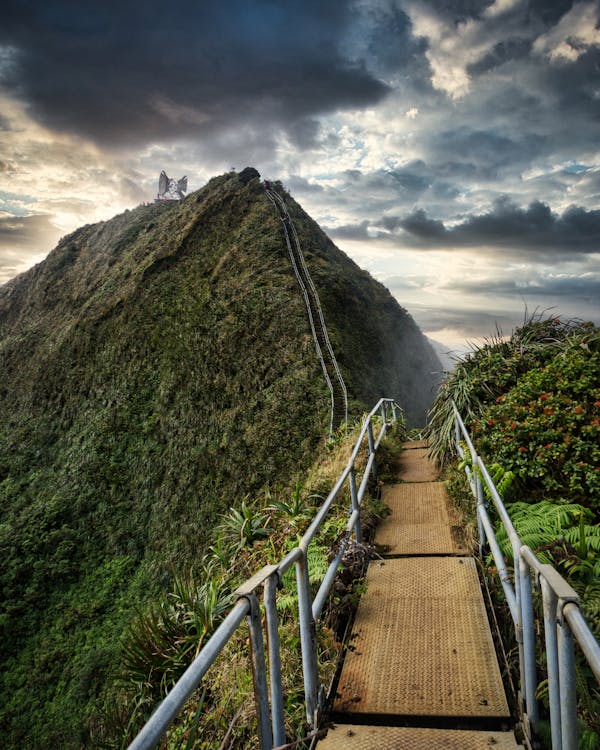
Imagine yourself standing in the shadows of Rome’s Colosseum, where gladiators once fought for glory, or wandering the cobblestone lanes of Verona, whispering stories of love and mythology. Consider enjoying a bottle of Chianti in Tuscany’s golden vineyards, the rolling hills extending forever before you, or feeling the crisp wind and the cold breeze of the Amalfi Coast as the azure waves shimmer in the sunlight. For more breathtaking adventures, explore the Stairway to Heaven Hawaii Hike: The Epic Haiku Stairs in Oahu.”

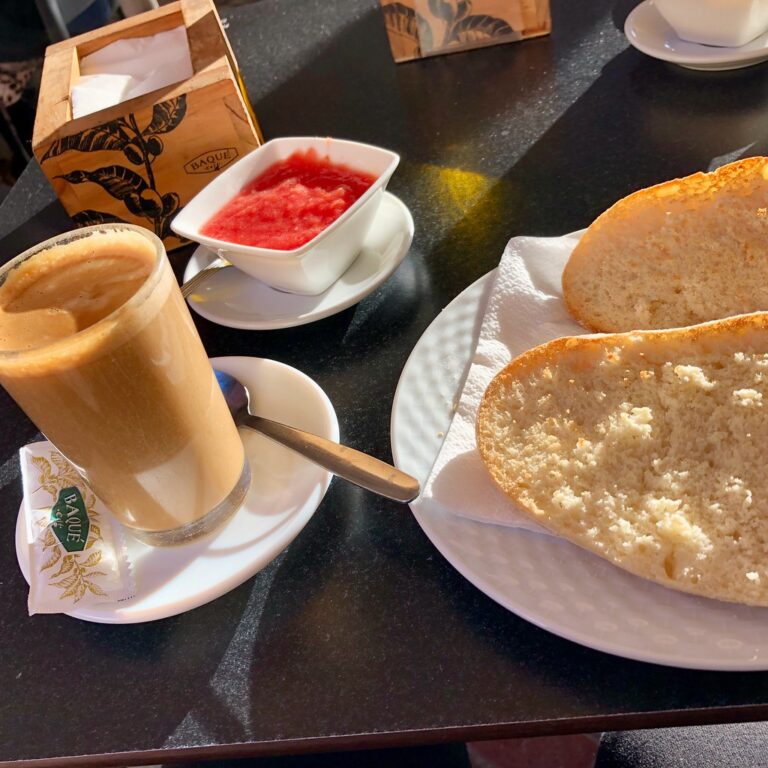
Italy is more than just a location; it is an experience that stimulates all of your senses. Its cities are living museums, filled with artifacts from ancient empires, Renaissance geniuses, and modern wonders. Its scenery exudes tranquility, with olive groves, historic towns, and rural charm. Then there’s the food—a symphony of flavors that delights with each bite, from handmade pasta in Bologna to fresh seafood along Sicily’s coast. For more culinary inspiration, explore our guide to the Top Spanish Breakfast.”

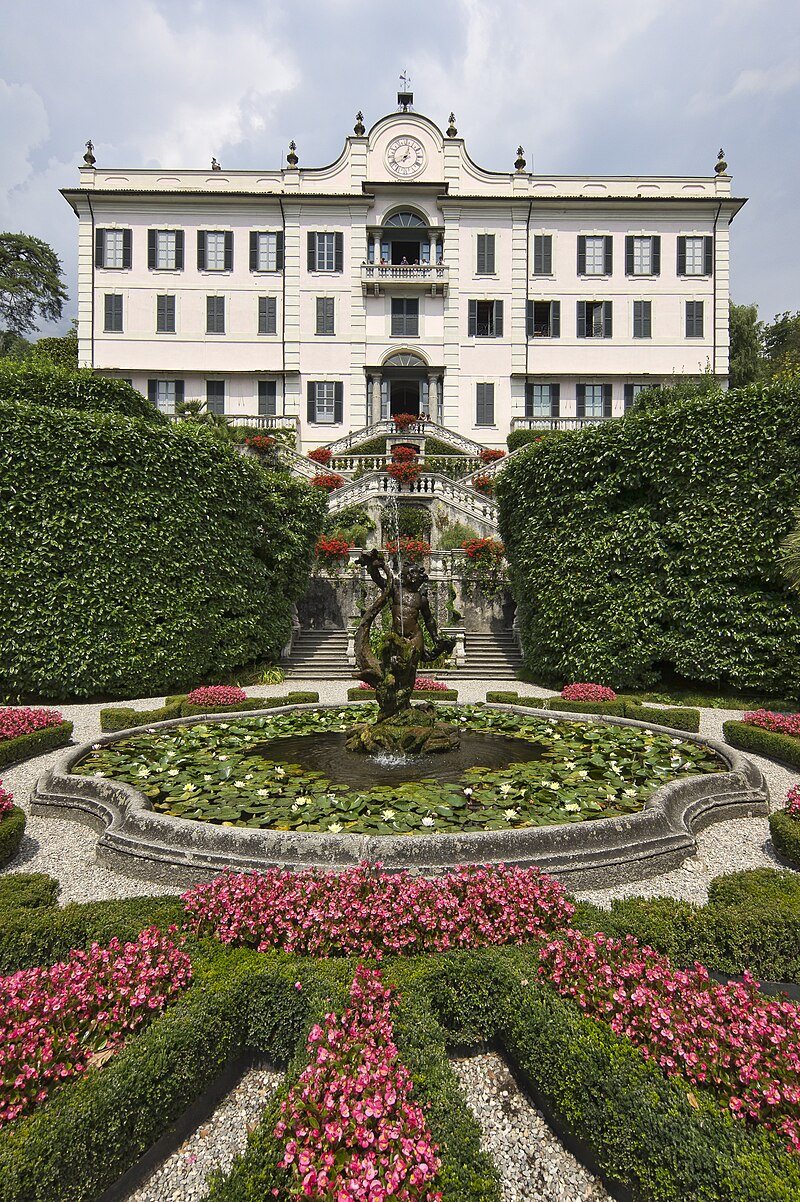
But what actually distinguishes Italy is its extraordinary diversity. In one trip, you can appreciate the grandeur of Milan’s fashion-forward streets, visit the ancient ruins of Pompeii, get lost in the colorful hamlet of Cinque Terre, and relax on Lake Como. Each region has its own narrative, personality, and unique way of capturing your heart.

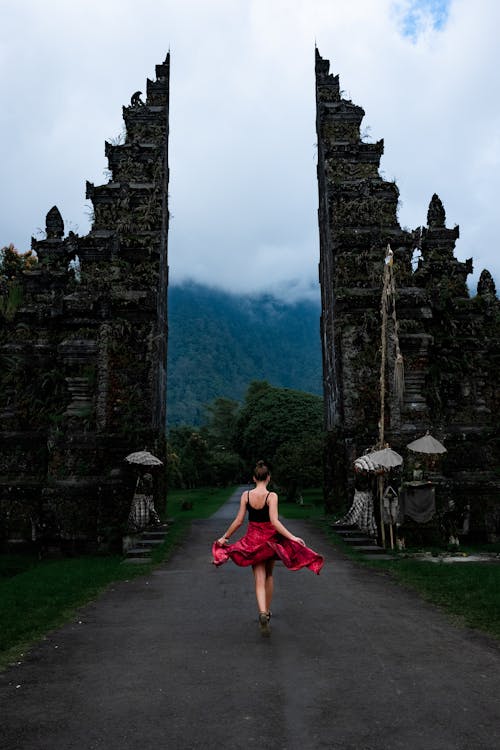
Whether you are a history buff, an art lover, a foodie, or an adventurer, Italy has something for everyone. It’s a land where time moves slowly and every moment feels like a celebration of life. In this guide, we’ll reveal the 15 finest locations to visit in Italy, from major cities to hidden gems, ensuring that your trip across this enthralling country is nothing short of remarkable. Buckle up for a journey that will have you dreaming of Italy long after your trip has ended! ! For a glimpse of another stunning destination, check out our Bali Travel Guide: Where Is Bali Located? and learn about New Zealand’s Blue Mushrooms the World Is Obsessed With.”

Venice: A City Like No Other

Step into the fascinating city of Venice, where gondolas float down glistening canals and every nook offers a story of romance and history. The Grand Canal, with its famed gondoliers and magnificent palaces, serves as the city’s beating heart. Wander across the Rialto Bridge or get lost in the maze of quaint streets, each offering a glimpse of Venice’s ageless allure.

The 15 best places to visit in Italy, from Venice to the Cinque Terre
Santa_Maria_della_Salute_(50428075772)

St. Mark’s Square is a must-see for its stunning architecture, vibrant cafés, and Venetian culture. Admire the glittering mosaics of St. Mark’s Basilica and experience the grandeur of the Doge’s Palace. Venice has a rich history and a lovely aura that makes it feel like you’re entering a dream.

Why should you visit?

The 15 best places to visit in Italy, from Venice to the Cinque Terre
Venice_Gondola_Grand_Canal
The 15 best places to visit in Italy, from Venice to the Cinque Terre
Gondola on the Providence River in downtown Providence, Rhode Island
  • Piazza San Marco: Home to St. Mark’s Basilica and the Campanile, is a must-see for architecture enthusiasts.
The 15 best places to visit in Italy, from Venice to the Cinque Terre
Piazza_San_Marco_(Venice)_at_night-msu-2021-6449-
The 15 best places to visit in Italy, from Venice to the Cinque Terre
Venice_-_St._Marc’s_Basilica_01

The 15 best places to visit in Italy, from Venice to the Cinque Terre

  • The Grand Canal: As you cruise this center river, marvel at the beautiful palaces.
The 15 best places to visit in Italy, from Venice to the Cinque Terre
View of the Grand Canal from Rialto to Ca’Foscari
The 15 best places to visit in Italy, from Venice to the Cinque Terre
Gondola_convoy,_Grand_Canal,_Venice

Venice is a living masterpiece, ideal for couples, history aficionados, and anybody looking for a romantic escape. For another dreamy destination, learn How to Visit the Pink Beach in Komodo Island, Indonesia.”

Rome: The Eternal City

Rome is a city where ancient history and modern life exist in perfect harmony. Walking through its streets is like going back in time, with prominent monuments like the Colosseum, Roman Forum, and Pantheon serving as reminders of its imperial greatness. At the same time, Rome is brimming with activity, from chic stores and buzzing cafes to contemporary art galleries.

The 15 best places to visit in Italy, from Venice to the Cinque Terre
Rome_skyline_panorama

Religious sites such as St. Peter’s Basilica and the Sistine Chapel enrich the city’s cultural offerings, while lively piazzas and delectable Italian cuisine create an unforgettable environment. Rome is a veritable treasure trove of history, art, and current vibrancy, providing a unique blend of the past and present.

Must-See Attractions

The 15 best places to visit in Italy, from Venice to the Cinque Terre

Trevi_Fountain,_Rome,_Italy_2_-_May_2007

Rome, with its bustling streets and ageless allure, is one of the world’s top destinations.

Florence: Cradle of the Renaissance

Florence, the home of the Renaissance, is a haven for art and history buffs alike. Its streets are lined with treasures, including Michelangelo’s “David” and Botticelli’s “The Birth of Venus” at the Uffizi Gallery. The city’s gorgeous architecture, which includes the famed Florence Cathedral with its towering dome, contributes to its artistic appeal.

DCIM116MEDIADJI_0472.JPG

Aside from its world-class museums, Florence has a dynamic environment with attractive piazzas, great Tuscan cuisine, and stunning views of the Arno River. Every aspect of this medieval city invites visitors to enter into a living painting, making Florence an essential excursion for anybody interested in art and culture.

Do not miss:

1280px-Uffizi_Gallery_-_Daughter_of_Niobe_bent_by_terror
www.albertoblasetti.com
Florence_Cathedral_seen_from_Piazzale_Michelangelo_night_dllu
  • Ponte Vecchio: This old bridge is ideal for a stroll and some shopping.
Ponte_Vecchio_from_Ponte_alle_Grazie

Florence, with its mesmerizing beauty and cultural richness, is a must-see for history and art lovers alike.

Milan is Italy’s fashion capital

Milan is an ideal destination for individuals who value luxury, innovation, and history. The city, known as the world’s fashion center, boasts high-end shopping, fashionable boutiques, and a sophisticated ambiance. Milan also has breathtaking historical landmarks, such as the spectacular Duomo Cathedral and Leonardo da Vinci’s “The Last Supper.”

Milan_skyline_skyscrapers_of_Porta_Nuova_business_district_(cropped)

The city perfectly combines the ancient and the new, from the medieval Castello Sforzesco to the cutting-edge architecture and design. Whether you’re appreciating world-class art, indulging in excellent cuisine, or discovering the latest trends, Milan is a lively city where culture, fashion, and history collide.

Highlights include:

Milan_Cathedral_from_Piazza_del_Duomo
Galleria_Milano_(179532365)
800px-Galleria_Vittorio_Emanuele_ii_Xmas_(J)
SONY DSC

Milan flawlessly combines high fashion and ancient tradition.

Cinque Terre, A Coastal Wonderland

Cinque Terre is a coastal paradise renowned for its stunning views and vibrant, colorful communities. The five towns—Monterosso, Vernazza, Corniglia, Manarola, and Riomaggiore—are perched on steep cliffs and have a beautiful blend of pastel architecture and verdant landscapes that overlook crystal-clear waters.

Scenic hiking routes connect these beautiful settlements, providing breathtaking views of the Mediterranean coastline. Cinque Terre, with its small shops, wonderful seafood, and quiet ambiance, is ideal for visitors seeking natural beauty and real Italian charm.

Reasons to go:

  • Scenic hiking trails offer magnificent views of the Ligurian Sea.
  • Charming Villages: Visit Manarola and Vernazza, both noted for their vivid homes and wonderful fish.
  • Relax by the Water: Take a swim in stunning blue waters or relax on sun-kissed beaches.

This UNESCO World Heritage Site is ideal for wildlife enthusiasts and photographers.

Naples: The Birthplace of Pizza.

Dive into the dynamic energy of Naples, a city brimming with taste, culture, and personality. Naples, known as the birthplace of pizza, provides a sensory overload of excellent street cuisine, lively markets, and historic sights such as Pompeii’s ancient ruins and Mount Vesuvius’ spectacular appearance.

Its bustling streets are brimming with local traditions, ranging from artisan crafts to traditional pizzerias that highlight the region’s rich gastronomic heritage. Naples, with its vibrant atmosphere, diverse neighborhoods, and profound historical roots, welcomes visitors to discover the heart and soul of southern Italy.

Top experiences:

  • Explore Pompeii, the historic city preserved by Mount Vesuvius’ eruption.
DCIM100MEDIA
  • Street Life: Walk through Spaccanapoli to get a sense of local culture.

Naples is raw, vivid, and unforgettable—an absolute must for foodies and history aficionados.

Amalfi Coast: A Slice of Paradise.

The Amalfi Coast is a stunning length of coastline in southern Italy, known for its spectacular cliffs, attractive villages, and pure waters. As a UNESCO World legacy Site, it provides a beautiful blend of natural beauty and cultural legacy.

Amalfi_Coast_(Italy,_October_2020)_-_75_(50558355441)

The coastline is lined with lovely towns like Positano, Amalfi, and Ravello, each giving their own unique experience. Positano is known for its steep, narrow lanes packed with colorful homes and boutique businesses. Amalfi has a rich history and the breathtaking Amalfi Cathedral. Ravello is renowned for its historical mansions and spectacular vistas.

What To Do:

  • Visit Positano, a fashionable hamlet with boutique shops and stunning beaches.
Positano_veduta_003
  • Explore Ravello, which is known for its lush gardens and tranquil atmosphere.

  • Scenic Drives: Experience breathtaking vistas of cliffs and blue waters.

This magnificent location is ideal for honeymooners and beachgoers alike.

Sicily: Where Cultures Collide.

Sicily, Italy’s largest island, boasts a distinct blend of history, breathtaking scenery, and rich culinary traditions. Its strategic location in the Mediterranean has made it a crossroads of civilizations, influenced by Phoenicians, Greeks, Romans, Arabs, Normans, and Spaniards, as seen by its unique architecture and cultural legacy.

The island’s diverse geography includes breathtaking mountains, rich plains, and a rough coastline dotted with gorgeous beaches. Sicily’s abundant agricultural produce, including vineyards and olive groves, complements its natural splendor, which is dominated by the volcanic Mount Etna volcano.

Must-see destinations:

  • Mount Etna is Europe’s tallest active volcano.

Sicily is one of Italy’s most attractive destinations due to its unique heritage.

 Tuscany: Rolling Hills, Wine Galore

Tuscany is Italy’s greatest countryside, with rolling hills dotted with vineyards, olive groves, and old villages. The Tuscan countryside, with its hills and soft valleys outlined by rows of grapes, grapevines, olive groves, and centuries-old cypresses, has shaped the imagination of the most beautiful and civilized Italy for generations.

The region is well-known for its stunning rural landscapes and diverse cultural heritage. Visitors can explore hill towns like Pienza and Montalcino and sample the local cuisine, which emphasizes simple meals made with high-quality ingredients.

Do not miss:

  • San Gimignano is a lovely town with a skyline of medieval towers.

The 15 best places to visit in Italy, from Venice to the Cinque Terre

  • Val d’Orcia: Capture the classic Tuscan countryside in your photographs.
The 15 best places to visit in Italy, from Venice to the Cinque Terre
OLYMPUS DIGITAL CAMERA

Tuscany is great for anyone looking for relaxation, fine wine, and natural beauty.

Verona: The City of Romance

Verona, famous worldwide for its connection to Shakespeare’s “Romeo and Juliet,” radiates beauty and passion at every step. The city is home to Juliet’s House, where visitors can see the famed balcony and leave love messages on the walls. Verona’s ancient architecture, particularly the spectacular Arena di Verona, contributes to its attractiveness, combining history, culture, and beauty.

The 15 best places to visit in Italy, from Venice to the Cinque Terre

Wander around its cobblestone alleyways, stop by the magnificent Piazza delle Erbe, and soak up the dynamic atmosphere that has made Verona a must-see destination for lovers and history buffs alike.

Highlights:

The 15 best places to visit in Italy, from Venice to the Cinque Terre

The 15 best places to visit in Italy, from Venice to the Cinque Terre

The 15 best places to visit in Italy, from Venice to the Cinque Terre
Piazza delle Erbe (Verona)

Verona’s romantic atmosphere makes it a must-see for couples.

 Lake Como – Elegance and Serenity

Lake Como, tucked in the foothills of the Alps, is one of Italy’s most stunning attractions. Its crystal-clear waters are flanked by lush green mountains, providing a lovely setting for picturesque lakeside villages such as Bellagio and Varenna. The area is famed for its beautiful villas, tranquil boat trips, and picturesque vistas, which have long drawn celebrities and tourists alike.

The 15 best places to visit in Italy, from Venice to the Cinque Terre

Whether you’re trekking through the hills, sitting by the water, or exploring the charming neighborhoods, Lake Como provides a tranquil refuge with unrivaled natural beauty.

Things To Do:

The 15 best places to visit in Italy, from Venice to the Cinque Terre
SONY DSC
  • Boating: Enjoy a leisurely trip across the lake.

Lake Como’s beauty and calm attract both celebrities and tourists.

Bologna: a culinary paradise.

Bologna is a sensual feast, known for its excellent cuisine and historical significance. The city’s culinary scene is famed, with tagliatelle al ragù (Bolognese sauce) and fresh pasta taking the spotlight. Beyond its cuisine, Bologna’s medieval architecture, which includes the famed Two Towers and the world’s oldest university, contributes to its cultural appeal.

The 15 best places to visit in Italy, from Venice to the Cinque Terre

Strolling through its colorful streets, visitors are enveloped in a fusion of rich history, vibrant markets, and tantalizing fragrances, making Bologna an ideal destination for both foodies and history buffs.

Top picks:

  • Bolognese cuisine includes typical dishes such as tagliatelle al ragù.
  • Porticoes: Walk beneath Bologna’s distinctive covered arcades.
  • Two Towers: Climb to get panoramic views of the city.

Bologna is a wonderful trip for foodies.

Turin: A Royal and Modern Blend.

Turin, Italy’s northern treasure, perfectly combines charm and modernism. The city is known for its magnificent architecture, including baroque palaces, large boulevards, and the stunning Mole Antonelliana, which serves as a symbol of its skyline. Turin is also a contemporary culture hotspot, with museums, art galleries, and a booming cuisine scene that includes its famed chocolate and truffles.

The 15 best places to visit in Italy, from Venice to the Cinque Terre

Turin, with its rich past linked to the Italian royal family and current advancements, offers a unique blend of old-world charm and cutting-edge flair, making it a must-see for visitors looking for a sophisticated and exciting experience.

What to Explore:

Turin has a distinct blend of regal history and modern refinement.

Sardinia: Pristine Beaches, Rich History

Sardinia is an island paradise known for its breathtaking turquoise waters and clean beaches. Beyond its natural beauty, the island is steeped in history, with ancient monuments like as the mysterious Nuraghe towers and Roman ruins dotting the landscape.

Sardinia, with its rocky mountains, picturesque villages, and Mediterranean food, provides the right balance of relaxation, adventure, and culture, making it an ideal vacation for both nature lovers and history buffs.

Highlights:

This Mediterranean jewel is ideal for beachgoers and history buffs.

Matera, A Journey Back in time.

Matera is known for its ancient cave homes and unique history. The city is well-known for its “Sassi” cave houses, which are carved into limestone cliffs and provide a unique view into a centuries-old lifestyle. These historical structures, together with the picturesque stone alleys and medieval churches, create an enchanting environment.

The 15 best places to visit in Italy, from Venice to the Cinque Terre

Matera’s rich heritage and breathtaking landscapes have won it UNESCO World Heritage Site status, making it a must-see destination for visitors looking to discover Italy’s hidden treasures and immerse themselves in its fascinating history.

What To See:

  • Sassi di Matera: Explore these UNESCO-listed stone dwellings.
  • Rock Churches: Admire the frescoes in old rock-cut chapels.
  • Cultural Revival: Matera’s metamorphosis from ruin to cultural center is impressive.

Matera is a unique place, excellent for adventurers and history aficionados.


Italy is more than just a place; it is an experience. Every place has a story to tell, from Venice’s charming canals to the breathtaking Amalfi Coast. Whether you enjoy history, art, gastronomy, or natural beauty, Italy offers it all.

Begin arranging your Italian journey today, and let the charm of these 15 sites create memories to last a lifetime!

Have you visited Italy? Please share your favorite destination in the comments section below! For more travel inspiration, check out more QuickNewsFeed.com stories and begin your journey to the heart of Italy. Have a good trip!

Top Spanish Breakfast

0

Best Spanish Breakfast: A Delicious Start to Your Day

Spanish breakfasts are a delicious blend of simplicity, flavor, and cultural tradition. Unlike the substantial morning meals in other nations, Spanish breakfasts are often light yet satisfying, reflecting the country’s laid-back culture. Tostada con tomate, toasted bread rubbed with fresh tomatoes, drizzled with olive oil, and seasoned with salt, exemplifies the Mediterranean love of fresh, high-quality food. These breakfasts, along with a warm cup of café con leche or a glass of freshly squeezed zumo de Naranja, make for an ideal start to the day.

1280px-Café_con_leche

Beyond the essentials, Spain’s regional diversity adds distinct flavors to the breakfast table. Molletes, soft bread rolls sometimes served with jamón or olive oil, are popular in Andalusia, and enchiladas, flaky pastries coated with powdered sugar, lend a sweet touch to Mallorca.

Churros con chocolate, a national favorite, offers a decadent option: crispy fried dough sticks covered in thick, rich hot chocolate. This meal is more than simply food; it is a beloved tradition that is frequently savored in local cafés brimming with morning conversation. Whether sweet or savory, each dish reflects Spain’s gastronomic tradition.

Breakfast in Spain is more than simply food; it’s an experience infused with community and tradition. Locals frequently gather in local cafés to share laughter and catch up over a quick bite. Even at home, the emphasis is on simplicity and quality, with dishes that can be easily replicated using common ingredients.

Whether you’re strolling through Spain’s picturesque streets or experimenting with Spanish breakfast recipes in your own home, embracing this morning habit is a great way to connect with the country’s rich culture and begin your day on a tasty note.

This guide to the best Spanish breakfasts is for you, whether you’re a traveler looking for traditional morning meals or a home cook wishing to add some Spanish flair to your kitchen. If you’re also interested in optimizing your diet for fitness goals, check out The Best Diet for Muscle Gain. Let us enjoy the delights of a classic Spanish breakfast, including regional delicacies and modern twists.

Tostada de Tomate: A Fresh and Flavorful Staple

Tostada with tomate (toasted bread with tomato) is a popular Spanish breakfast. This meal exemplifies Mediterranean cuisine, utilizing simple ingredients to produce an explosion of flavor.

  • How It’s Made: Toast the bread and massage it with garlic before topping it with grated ripe tomatoes, olive oil, and a bit of salt.
  • Popular Additions: Serrano ham, Manchego cheese, or a poached egg enhance this traditional dish.
  • Why It’s Popular: It’s nutritious, simple to make, and a terrific way to start the day with fresh produce.

Churros with Chocolate: A Sweet Treat for the Morning

Churros con chocolate is one of the most classic breakfast meals. This delectable delight is more than simply a breakfast; it’s an experience in itself.

Chocolate_con_churros_(27343655726)
  • The Dish: Churros are fried dough pastries sprinkled with sugar and served with a thick, rich hot chocolate dip.
  • Cultural significance: Churros are popular for weekend meals and festive events.
  • For an authentic experience, visit a churrería, a café specializing in churros, such as Chocolatería San Ginés in Madrid.

Tortilla Española: A versatile breakfast favorite.

Tortilla española, often known as a Spanish omelet, is a delicious breakfast dish made with basic ingredients.

  • Ingredients: eggs, potatoes, onion (optional), and olive oil.
  • Serving Style: It is often served in slices at room temperature and goes nicely with fresh bread or salad.
  • Why Does It Work for Breakfast? Its hearty and gratifying characteristics make it a good choice for a larger breakfast meal.

Ensaimada – A Taste of Mallorca

The ensaimada is a delicate, spiral-shaped pastry that originates in the Balearic Islands.

Ensaimada_(153349129)
  • This pastry is light, fluffy, and slightly sweet. It is generally coated with powdered sugar.
  • Modern Variations: Some contain cream, chocolate, or even savory components such as sobrasada (spicy pork spread).
  • Best paired with a cup of tea or café with leche.

Pan with Jamón Serrano

A breakfast dish featuring Serrano ham, exemplifies the refinement of Spanish cuisine.

Tosta_de_pan_con_huevo_y_jamón_serrano
  • The Dish: Thin slices of Jamón Serrano are served on fresh or toasted bread, occasionally with a drizzle of olive oil or shredded tomato.
  • Why It is Popular: The ham’s saltiness matches the bread’s freshness, resulting in a well-balanced and tasty dinner.

Bebidas (Drinks): Perfect Accompaniments

No Spanish breakfast is complete without the appropriate beverage to complement the meal.

Bebidas_en_la_barra_del_Bar_Baltra
  • Café with leche, a creamy combination of espresso and steamed milk, is Spain’s most popular morning beverage.
  • Spanish hot chocolate is thick and velvety, and it mixes nicely with churros.
  • Freshly Squeezed Orange Juice: Made from high-quality oranges from Spain, this juice is a nutritious and pleasant addition to any breakfast.

Regional Breakfast Specialties

  • Escudella Soup (Catalonia) is a hearty dish made with meat, vegetables, and noodles that is popular during the winter months.
pexels-photo-1907244
  • Galician Bread (Gallicia): Its rich texture and somewhat sour flavor make it ideal for pairing with butter or honey.
Pan_de_trigo_(Galicia)
  • Pitufo (Andalusia) is a small sandwich often made with ham, cheese, or tomato.

Modern Takes on Spanish Breakfasts

As culinary trends change, so do Spanish breakfasts.

  • Avocado Toast: Combining the Spanish love of bread with a global trend, many cafes now serve avocado toast drizzled with olive oil and paprika.
pexels-photo-8335332
  • Healthy Breakfast Bowls: Yogurt bowls with fresh fruits, almonds, and honey are becoming more popular, providing a lighter start to the day.
pexels-photo-7937047
  • Fusion Churros: Cafes are now serving churros with distinctive dips like salted caramel or Nutella, giving the classic a modern touch.

Tips for enjoying Spanish breakfasts

Understand the timing.
Breakfast in Spain is normally light and served between 7:30 and 9:00 a.m., followed by a larger mid-morning snack (almuerzo) about 10:30 a.m. If you’re eating out, many cafés and bakeries open early to meet your schedule.

Visit local cafés or bakeries.
For a truly authentic experience, avoid tourist traps and instead visit a local café or bakery. These places frequently serve fresh, handmade cuisine and offer a welcome environment in which to immerse oneself in Spanish culture.

Recreate It At Home
Spanish breakfast meals are simple to prepare. Stock up on essentials such as crusty bread, high-quality olive oil, and fresh veggies to make recipes like pan con tomate. For a sweet touch, try preparing churros or magdalenas.

Make healthy choices.
Tostada with aceite y tomate (olive oil and tomato toast) is one of several healthful Spanish breakfast options. Combine it with fresh zumo de naranja (orange juice) for a delicious and nutritious start to the day.

Try Spanish sandwiches (bocadillos).
Bocadillos, or fresh baguette sandwiches, are common mid-morning munchies. Classic fillings include tortilla española, jamón serrano, and queso manchego.

 Embrace The Slow Pace
Spaniards love a leisurely breakfast. Whether at home or in a café, take your time enjoying the cuisine, sipping your coffee, and appreciating the present moment.

Experiment with regional flavors.
Breakfast specialties in Spain vary by area. For example, try the molletes (soft bread rolls) of Andalusia or the ensaimadas of Mallorca. Sampling geographical diversity enhances your experience.

 Explore Dairy Options
Yogurt or queso fresco (fresh cheese) are common dairy treats in Spanish breakfasts, and they are frequently served with almonds, honey, or fruit.

Learn Key Breakfast Phrases.
If you’re in Spain, remember phrases like “Un café con leche, por favor” (A coffee with milk, please) or “¿Tienen pan con tomate?” (Do you have bread with tomato?) will make ordering breakfast simpler and more fun.

Pair food with local beverages.
If you prefer anything other than coffee, consider cola cao, a popular Spanish chocolate drink, or herbal teas.

Spanish breakfasts celebrate simplicity, flavor, and cultural history. From the spicy joys of tostada with tomate to the sweet satisfaction of churros con chocolate, each dish provides a taste of Spain’s rich culinary heritage. The beauty of these dinners is their capacity to transform everyday ingredients like bread, tomatoes, and olive oil into something genuinely exceptional. Breakfast in Spain, whether at a noisy café or a quiet rural tavern, is as much about the experience as it is about the cuisine, allowing you to relish every mouthful and moment.

Beyond their delicious flavors, Spanish breakfasts have a strong relationship to the country’s geographical diversity and history. From the buttery ensaimadas of Mallorca to the cozy magdalenas dunked in coffee, these breakfast staples showcase Spain’s distinct blend of tradition and invention. Sharing a breakfast table is a treasured daily ritual in which friends and family gather to begin the day on a positive note. Whether you’re traveling through Spain or making these dishes at home, a Spanish breakfast can transform your mornings into a culinary adventure to remember. To complement your breakfast journey, explore The Importance of a Healthy Diet in Fitness and discover how balanced eating can enhance your overall well-being.

Begin your day the Spanish way, because there’s no better way to enjoy life than one delicious meal at a time.

Frequently Asked Questions:

What is the usual Spanish breakfast?

Tostada with tomate (toasted bread with tomato), café con leche, and churros con chocolate are common ingredients in a classic Spanish breakfast.

What do the Spaniards eat for breakfast?

Spaniards typically consume light breakfasts like bread with olive oil and tomato, sweet pastries like ensaimadas, or a slice of tortilla española.

Is churros considered a breakfast food in Spain?

Answer: Churros con chocolate are a popular breakfast meal in Spain, particularly on weekends and holidays.

Do Spaniards eat eggs at breakfast?

Answer: Although eggs are not as popular as in other countries, tortilla española (Spanish omelette) is sometimes eaten for breakfast.

What drinks are popular at Spanish breakfasts?

Café with leche (coffee with milk), hot chocolate, and freshly squeezed orange juice are popular beverages.

What is the most popular breakfast dish in Spain?

Tostada with tomate and churros con chocolate are two of the most famous and popular Spanish breakfast dishes.

What time does the Spanish eat breakfast

Breakfast in Spain is often light and had between 7:30 AM and 9:00 AM, with a mid-morning snack (almuerzo) about 10:30 AM.


New Zealand’s blue mushroom the World is obsessed with

0

When you think about New Zealand, you may imagine lush green landscapes, towering mountain ranges, and sparkling rivers. However, buried inside these stunning ecosystems is a little-known natural wonder that has piqued the interest of nature enthusiasts, scientists, and photographers worldwide. Meet Entoloma hochstetteri, often known as New Zealand’s blue mushrooms—a gorgeous fungal creation that fits in a fantasy film.

What Is the Blue Mushroom in New Zealand?

The blue mushroom scientifically called Entoloma hochstetteri, is a small, brightly colored fungus that can only be found in New Zealand. Its brilliant cobalt-blue hue and scarcity have made it a natural symbol. This eye-catching color is due to natural pigments specific to this species, distinguishing it from the muted tones in most mushrooms. While its remarkable appearance has garnered its popularity, it is crucial to note that the fungus is not edible due to harmful substances, therefore it is best enjoyed visually.

New Zealand’s blue mushroom the World is obsessed with
Entoloma_hochstetteri_(Reichardt)_G._Stev_99860

The blue mushroom is endemic, which means it is only found in New Zealand. It thrives in moist, mossy woodlands, especially those with fertile, undisturbed soil. These habitats, which may be found in both the North and South Islands, provide ideal circumstances for the mushroom to grow. Entoloma hochstetteri, which can be found in leaf litter and under native tree canopy, plays a subtle but important role in its ecosystem by contributing to nitrogen cycling and soil health.

New Zealand’s blue mushroom the World is obsessed with
Entoloma_hochstetteri_118776419

Aside from its ecological significance, the blue mushroom has cultural worth. It is so beloved in New Zealand that it is included on the country’s $50 banknote, representing the significance of maintaining the country’s unique biodiversity. This fungal masterpiece has captivated not only scientists and conservationists, but also photographers, nature lovers, and travelers hoping to witness its uncommon beauty firsthand.

A Mushroom Like No Other

The blue mushroom of New Zealand is as exotic as it sounds. Its brilliant blue tint contrasts with the earthy tones of the forest floor, giving it the appearance of a mystical artifact rather than a living thing. This fungus, found only in New Zealand’s deep native forests, is a rare gem of nature.

New Zealand’s blue mushroom the World is obsessed with

Hue: Its most distinguishing feature is its electric blue hue, which is produced by natural pigments peculiar to the species. The gills under the cap are sometimes reddish, providing a dramatic contrast to the bright blue.

Size and shape: The mushroom is small and delicate, with a conical cap that can grow to 4 cm broad and a slender stem.

Toxicity: Entoloma hochstetteri is attractive, but it is not edible due to harmful ingredients, thus it should be observed from a distance.

Where Can You Find Blue Mushrooms in New Zealand?

North Island Locations:

  • The Waikato region, known for its rich native vegetation, is a great site to spot blue mushrooms. The moist, mossy environment here make a great home.
  • The Waitākere Ranges, located near Auckland, are home to lush forest trails and the rare blue mushroom.

South Island Locations:

1280px-Hollyford_River_NZ_11
1024px-Franz_josef_Glacier_LC0250

Preferred habitat:

  • Located in wet, shaded places with high humidity.
  • It grows in moss, leaf litter, and beneath the canopy of native trees such as rimu, kahikatea, and beech. Often spotted on undisturbed woodland floors rich in organic debris.

Tips for Finding Blue Mushrooms:

  • Discover well-known woodland reserves and wildlife trails.
  • Visit in the early mornings, when the light is ideal for photography.
  • Always respect the environment and stay on marked pathways to avoid hurting the habitat.

Why Is the World Obsessed with This Mushroom?


New Zealand’s blue mushroom the World is obsessed with

New Zealand’s blue mushroom the World is obsessed with


The world is fascinated by New Zealand’s blue mushroom due to its amazing beauty, scarcity, and cultural significance. Its bright cobalt-blue hue, a rarity in the fungal world, makes it a popular subject for photographers and nature lovers, especially in the age of social media, where such unusual sights quickly go viral. The fact that this mushroom can only be found in New Zealand adds to its allure. Furthermore, its portrayal on the country’s $50 bill emphasizes its significance as a symbol of national pride and biodiversity, increasing global interest.

When Can I See the Blue Mushroom?

Peak Season: Late autumn to early winter (April-July).
Best conditions occur after significant rainfall, when the forest floor is soggy and moist.
The mushroom thrives in cool, moist environments, so peak season is the optimum time to see it.
Year-Round Possibility: Although it can be found all year, the odds of seeing it increase during the wetter months.
Morning Visits: Early mornings are wonderful for photography because the light is typically perfect.

Why Is The Blue Mushroom Blue?

Unique Pigments: Entoloma hochstetteri’s peculiar pigments give the mushroom its blue coloration.

Chemical Composition: These pigments are still being investigated, but they are thought to have special chemical properties that produce the brilliant blue color.

Protective Function: The color may act as a protective mechanism, allowing the mushroom to tolerate certain environmental stresses, such as UV light.

Evolutionary Advantage: The brilliant blue hue may attract some species, facilitating spore dissemination and ensuring mushroom proliferation.

New Zealand’s blue mushroom the World is obsessed with

New Zealand’s blue mushroom the World is obsessed with

Natural Rarity: Blue is a rare hue in the fungal world, letting the mushroom stand out in its surroundings and increasing its appeal.

Pigment Research: The pigments found in mushrooms may have scientific applications, such as bioengineering or natural dyes.

Distinctive Appearance: The mushroom’s blue color is a distinguishing feature that makes it immediately identifiable and iconic in New Zealand biodiversity.

Environmental Adaptation: The blue pigmentation may be an adaptation to the unique environment of New Zealand’s native woods, where it flourishes in wet, gloomy regions.

Is the Blue Mushroom edible?

The blue mushroom (Entoloma hochstetteri) isn’t edible. Despite its appealing appearance, it contains harmful substances that render it unfit for food. Ingesting these toxins can result in nausea and other digestive problems.

New Zealand’s blue mushroom the World is obsessed with

Because of its bright color and remarkable attractiveness, it is frequently mistaken for a harmless or even edible fungus, however it is best to avoid eating it. Instead, the blue mushroom should be admired from a distance due to its distinct role in the ecology and outstanding visual appeal.

Its toxicity emphasizes the importance of exercising caution when exploring natural fungi, since many mushrooms may appear appealing yet are dangerous to people.

Why is the blue mushroom famous?

Unique Color: The blue mushroom is known for its beautiful cobalt-blue color, which is highly rare in the fungus world and distinguishes it in nature.

Exclusivity to New Zealand: It can only be found in New Zealand, making it an endemic species and adding to its attraction and mystery.

Cultural significance: The blue mushroom appears on New Zealand’s $50 bill, representing the country’s tremendous biodiversity and environmental history.

Its bright hue and rarity have piqued the interest of nature enthusiasts, scientists, and photographers all around the world.

New Zealand’s blue mushroom the World is obsessed with

New Zealand’s blue mushroom the World is obsessed with

Social Media Popularity: The blue mushroom’s remarkable look frequently goes viral on social media platforms, where it is shared by photographers and wildlife bloggers.

Ecological Role: As a component of New Zealand’s ecosystem, the blue mushroom contributes to nitrogen cycling, making it a valuable subject for ecological research.

Symbol of Conservation: The mushroom’s popularity has raised awareness about the necessity of protecting New Zealand’s unique natural treasures and the threats they face due to habitat loss.

Researchers are fascinated to the blue mushroom because of its unique coloration and prospective applications in chemistry and natural products.

What Function Does the Blue Mushroom Play in Nature?

  • Nutrient Cycling: The blue mushroom aids in the breakdown of organic materials, such as decaying leaves and wood, which returns vital nutrients to the soil.
  • Symbiotic interactions: It creates mutualistic interactions with some plants, which aid in nutrient absorption, especially in moist, mossy woodland settings.
  • Soil Health: The decomposition of organic waste enriches the soil, fostering healthier plant development and biodiversity.
  • Forest Ecosystem: As a component of the forest floor’s micro-ecosystem, the mushroom contributes to the overall balance and health of the forest

  • Spore Dispersal: The blue mushroom’s spores are carried by the wind, water, or animals, allowing the fungus to proliferate and colonize new places.
  • The existence of the blue mushroom, which flourishes in undisturbed, healthy forest ecosystems, can be used to assess environmental well-being.
  • Biodiversity Support: As a unique species, it contributes to the biodiversity of New Zealand’s natural forests by providing habitat for a varied range of other fungus and animals.
  • Ecological research gives vital insights into fungal ecology, assisting scientists in understanding the roles of fungus in forest ecosystems and their potential environmental advantages.

Is Blue Mushroom Endangered?

The blue mushroom (Entoloma hochstetteri) is not legally endangered, but it faces a number of problems that jeopardize its survival. As an endemic species found only in New Zealand, its survival is dependent on the health of the natural forests and ecosystems in which it develops. While its present population is not dangerously low, it is deemed vulnerable due to a number of environmental and human-caused problems.

How Do I Take Photos of Blue Mushrooms?

  • Use a Macro Lens to capture complex details in close-up images.
  • Natural lighting: Shoot in gentle light, preferably in the early morning or late afternoon.
  • Best Time: Early mornings for dew and mellow lighting.
  • Experiment with angles. Shoot from ground level to get a dramatic impression.
  • Focus on Details: Highlight the mushroom’s color and texture.
  • Respect the environment. When taking photographs, try not to damage the habitat.
  • Use a tripod to stabilize your camera and capture clean, clear shots.
  • Consider the background: Select simple, natural backgrounds that compliment the mushroom.

Tips for Identifying and Enjoying the Blue Mushroom.

If you’re lucky enough to visit New Zealand, seeing the blue mushroom in its natural environment is an unforgettable experience. Here’s how you do it responsibly:

  • Stick to Trails: To maintain the forest floor, avoid straying off recognized routes.
  • Don’t Pick the Mushrooms: Picking them upsets their natural role in the ecology and reduces their attractiveness to others.
  • Take Only Photos: Using your camera, capture the magic and share it with others.
  • Plan your visit: Visit during the mushroom’s peak season and visit popular woodland areas where they are frequently spotted.

The Science Behind Blue

Scientists are very interested in the blue mushroom, in addition to its esthetic appeal.

The bright blue color is derived from pigments that are still being investigated. These chemicals may provide insights into fungal biology and have potential applications in scientific study.

The blue mushroom, as part of New Zealand’s forest ecology, helps to cycle nutrients and improves the health of its surroundings. Fungi such as Entoloma hochstetteri frequently create symbiotic partnerships with plants, allowing trees and shrubs to absorb nutrients more efficiently.

Whether you’re a nature lover, a photographer, or just someone who enjoys the world’s hidden treasures, the blue mushroom provides a glimpse into a fascinating side of New Zealand’s natural history. By exploring wisely, we can ensure that this uncommon gem continues to inspire amazement for future years.

Boost Your Adventure with Quicknewsfeed.com
At QuickNewsFeed, we’re obsessed with finding stories that connect you to the world’s most amazing treasures. Explore our other articles to learn more about great destinations, unusual species, and eco-friendly travel suggestions. Stay curious and let nature’s magic inspire you!

Stairway To Heaven Hawaii Hike: The Epic Haiku Stairs In Oahu

0

The Haiku Stairs, often known as the “Stairway to Heaven,” is a magnificent trail in Oahu, Hawaii’s lush scenery. This classic climb ascends the steep Koʻolau mountain range, providing unrivaled panoramic views of the island’s brilliant flora, towering cliffs, and the infinite expanse of the Pacific Ocean. The stairs, originally built during World War II as a vital military path, now serve as a tribute to human skill and nature’s raw beauty. Climbing this steep and winding stairway is irresistible to thrill-seekers and adventurers, making it a bucket-list event for many.

Stairway To Heaven Hawaii Hike: The Epic Haiku Stairs In Oahu
HaikuLadder 2007

However, the Haiku Stairs is more than just a story of breathtaking views; it is also about legal struggles, safety concerns, and community impact. The walk has been officially prohibited since 1987, and anyone caught trespassing faces severe fines. Conservationists, local citizens, and officials continue to dispute the destiny of the steps, torn between conserving them as a historical landmarks and demolishing them to solve liability and environmental issues. Despite these problems, the Haiku Stairs continue to fascinate the imaginations of travelers all over the world, with legal alternatives such as the Moanalua Valley Trail providing a safer route to enjoy the island’s breathtaking splendor.

History of the Haiku Stairs

After World War II, the Haiku Radio Station was dismantled and the military abandoned the location. However, the stairs remained standing, silently preserving their historical value. As time passed, they became a hidden gem for adventurers looking for an unforgettable hike. The arduous walk up the steps, combined with the breathtaking views at the summit, piqued the interest of anyone who dared to investigate them. What was originally a utilitarian bridge intended for military communication has become a legendary trail for people seeking a breathtaking perspective of Oahu’s stunning scenery.

Stairway To Heaven Hawaii Hike: The Epic Haiku Stairs In Oahu
pexels-photo-3822441

World War II origins (1942):

  • Built by the United States Navy as part of a top-secret communication system.
  • The stairs led to the Haiku Radio Station, a transmitter that sent extremely low-frequency communications to submarines across the Pacific Ocean.

Original Construction:

  • Initially constructed using wooden boards and rudimentary designs to meet wartime requirements.
  • Located in Haiku Valley, surrounded by towering cliffs and lush foliage.

Postwar Upgrades (1950s):

  • Galvanized steel steps were replaced for increased durability and ease of maintenance.
  • It became a safer, more robust construction capable of withstanding Oahu’s tropical climate.

Decommissioning:

  • The Haiku Radio Station was discontinued because advancements in communication technology rendered it outdated.
  • Despite their initial military purpose, the stairs were maintained intact and now attract adventurers and hikers.

Closure for the Public (1987):

  • Officially closed due to safety and liability concerns.
  • The steep and narrow stairs, combined with the unpredictable weather, posed substantial hazards to hikers.

Cultural and Historical Significance:

  • It became a famous attraction for both locals and visitors, known for its engineering marvels and panoramic vistas.
  • Numerous travel blogs, movies, and social media posts have highlighted its legendary status.

Ongoing Controversy (2000s to Present):

  • The debate over whether to retain or destroy the stairs continues.
  • Conservation groups promote restoration and regulation as a legal tourist attraction.
  • Local residents and the Honolulu Board of Water Supply have expressed concerns about trespassing, environmental damage, and safety.

Is the Hike Legal?

The Haiku Stairs are not legally accessible, which is one of the most crucial things to know. The steps have been off-limits since their closure in 1987 due to safety and liability concerns. Trespassing can result in large fines, and entering the property is illegal.

Legal difficulties underlying the hike have provoked heated debate. While thrill-seekers frequently find ways around the limits, it’s critical to follow local regulations and avoid endangering yourself or others.

The Moanalua Valley Trail, which leads to a breathtaking vantage point near the Haiku Stairs, is an option for people looking to enjoy the area’s splendor without breaking any laws. While it does not allow access to the steps.

How Many Steps are in the Haiku Stairs?

  • Total steps: The Haiku Stairs have 3,922 steps in total.
  • Elevation Gain: The staircase rises an astonishing 2,800 feet in height.
  • The length of the trail:The trail is approximately 2,800 feet (0.5 miles) long from bottom to top.
  • Location: The stairs lead up the Koʻolau Mountain Range on Oahu, Hawaii.
Stairway To Heaven Hawaii Hike: The Epic Haiku Stairs In Oahu
pexels-photo-3867818
  • Construction Materials: Originally made of wooden steps, the stairs were upgraded with galvanized steel in the 1950s to improve longevity and weather resistance.
  • Challenging terrain: The steps are small and steep, making the hike strenuous.
  • Treacherous Conditions: The climb is prone to slipping due to Oahu’s tropical climate, especially after rain.
  • Legendary views: The summit of the stairs provides breathtaking panoramic views of Oahu’s lowlands, the Pacific Ocean, and the Koʻolau Mountain Range.
  • Hiking Difficulty: With nearly 4,000 steps, the Haiku Stairs is regarded as one of the most demanding and rewarding walks on the island.

How Do I Get to the Haiku Stairs?

Location:

  • The Haiku Stairs are situated along the Koʻolau Mountain Range in Kaneohe, on the Hawaiian island of Oahu.

Official access:

  • The Haiku Stairs are officially restricted to the public, and any unlawful access is prohibited for safety and environmental reasons.
  • The Honolulu Board of Water Supply owns the stairs and has restricted the area to safeguard the monument as well as the surrounding ecosystem.

Illegal Routes

  • Despite the closure, numerous hikers have previously sought to reach the Haiku Stairs via residential neighborhoods around the trailhead.
  • Trespassing through these neighborhoods is not permitted since it upsets local people and can result in fines.

Moanalua Valley Trail (Legal Route):

  • The Moanalua Valley Trail is a legal alternative to the Haiku Stairs that can be accessed from the Moanalua Valley.
  • While the Moanalua Valley Trail does not immediately connect to the Haiku Stairs, it does provide a trekking experience with views of the surrounding mountains and valleys.
  • Hikers frequently utilize this trail to get a good perspective of the Haiku Stairs without actually ascending them.

Safety and Legal Considerations:

  • Hikers are highly urged not to try to ascend the stairs illegally, as they are steep, dangerous, and improperly maintained.
  • Trespassers face severe fines and penalties, and accidents on the steps are common, underscoring the risks involved.

How Long Does it Take to Hike the Haiku Stairs?

  • Duration: About 2-4 hours round trip, depending on fitness level and weather conditions.
  • Factors affecting time include the hiker’s fitness level.
  • Weather (rain or wind can impede movement).
  • Illegal Access: Because the hike is closed to the public, timing estimates are based on previous, unofficial reports.
  • Wet, windy, or foggy weather can make progress slower and more challenging.
  • Step Count: The almost 4,000 steep steps necessitate cautious pacing, particularly on the descent.

What Should I Bring if I Want to Hike in Oahu?

Whether you’re going for a strenuous hike or a leisurely stroll, Oahu’s paths demand careful planning to assure your safety and pleasure. Here’s a thorough list of items to bring along:

1. Wear appropriate footwear.

shoes-footwear-hiking-shoes-walking-40662
  • Choose sturdy, comfortable hiking shoes with sufficient grip for uneven and slippery terrains.
  • Waterproof shoes are appropriate for the muddy or damp conditions commonly seen on Oahu’s trails.
  • Carry an extra pair of socks in case your feet get wet while hiking.

2. Navigation Tools: Maps or GPS devices.

  • Bring a physical trail map or a GPS-enabled device to help you navigate the hiking route.
  • A backup compass can be handy when technology fails or trails are not well-marked.

3. Hydration and food

pexels-photo-13574081


  • Bring at least 2 liters of water to stay hydrated during the hike.
  • Consider using a hydration pack for better access on steep climbs.
  • Bring energy-boosting snacks like trail mix, protein bars, fruit, or almonds to maintain energy.
pexels-fox-58267-17763560
pexels-photo-7624950


4. Sun protection

  • To protect against Hawaii’s harsh sun, use a water-resistant sunscreen with a high SPF.
    Wear a broad-brimmed hat or cap to protect your face and neck.
  • Polarized sunglasses can shield your eyes from the sun’s glare.

5. Weather gear

pexels-photo-9947711
  • Carry a lightweight, packable rain jacket or poncho to stay dry during unexpected showers.
  • Pack layers for Oahu’s unpredictable weather, including a light sweater or windbreaker for higher altitudes..

6. Safety Equipment:

pexels-photo-5673523
  • First Aid Kit with bandages, antiseptic wipes, pain medications, and blister treatments.
  • Bring a flashlight or headlamp, even if you don’t expect to hike after dark, to avoid delays.
  • Use a whistle to signal for help if you become lost or need assistance.

7. Additional accessories.

  • Gloves are useful for holding ropes and steep terrain on tough trails.
  • Protect your camera or smartphone against water and falls while capturing breathtaking landscapes.
  • Use a trash bag to dispose of your waste without leaving a trace.

8. Extras for Longer or Difficult Hikes:

pexels-photo-7009582
  • Trekking poles offer added stability on steep or uneven paths.
  • Water Purification Tablets are useful when running out of water and need to replace from natural sources.

9. Personal Identification and Communication.

pexels-photo-5208777
  • Carry a copy of your ID and a note with emergency contact information.
  • Ensure your phone is fully charged and bring a portable charger for long hikes.

10. Nature Respect Trail Etiquette:

Stairway To Heaven Hawaii Hike: The Epic Haiku Stairs In Oahu

  • Respect local wildlife, follow established routes, and refrain from plucking flora or damaging habitats.

What is the best time to hike in Oahu?

Early morning:

  • To avoid the heat and throng of midday, start between 6:00 and 8:00 a.m.
  • Morning treks can offer clear sky and improved visibility.

Dry Season (April-October):

  • Ideal season for less rain, which makes trails safer and more enjoyable.
  • Ideal for capturing stunning sights and pictures.

Avoid Wet Season (November-March):

  • Increased rainfall can make routes slippery and difficult.
  • Sudden downpours may reduce visibility and trekking conditions.

Weekdays Over Weekends:

  • During the week, the trails are less congested, making for a more relaxing experience.
  • Weekends and holidays bring more travelers, which makes popular trails busier.

Seasonal Considerations:

  • Spring (March-May) brings moderate temperatures and lush green scenery.
  •  Summer (June-August): Dry and sunny, but stay hydrated.

Is the Haiku Stairs Hike Dangerous?

  • The Haiku Stairs, with over 4,000 steps ascending abruptly along the Koʻolau Mountain Range, are physically hard and difficult.
  • The gradient can be difficult for people who are not seasoned hikers or physically fit.
  • Rain, moss, and morning dew can make the steps exceedingly slippery.
  • A slip could result in catastrophic harm due to the trail’s sheer drop-offs.
  • The trail is exposed to the elements, such as strong winds and heavy rain, particularly at higher elevations.

Stairway To Heaven Hawaii Hike: The Epic Haiku Stairs In Oahu

  • Sudden weather changes can impair visibility and increase the likelihood of an accident.
  • Hikers may experience dehydration or heat exhaustion on clear days due to the bright sun. Proper preparedness is essential.
  • The Haiku Stairs have been closed to the public for decades and have not been properly maintained.
  • Some sections may be unstable, fractured, or corroded, increasing the likelihood of an accident.
  • Many stair parts are tiny, providing little room for error during ascent or descent.
  • The hike requires extensive height exposure, which can be scary and dangerous for individuals who are afraid of heights.

Why Are the Haiku Stairs Called the “Stairway to Heaven”?

Stairway To Heaven Hawaii Hike: The Epic Haiku Stairs In Oahu
Stairway to Heaven hidden in fog, Haiku Stairs Built in World War II, Hiking in Oahu, Hawaii

The Haiku Stairs are known as the “Stairway to Heaven” because of the bizarre and breathtaking views they provide. Hikers ascend approximately 4,000 steps along the Koʻolau Mountain Range, enjoying beautiful views of verdant peaks, the Pacific Ocean, and surrounding surroundings. On rainy days, the stairs seem to fade into the clouds, creating a magnificent, otherworldly ambiance that makes the climb feel like a journey to the heavens. This poetic appellation honors the trail’s breathtaking beauty and reputation as a once-in-a-lifetime excursion.

Can You Still Hike the Haiku Stairs Legally?

  • Official Closure: The Haiku Stairs are restricted to the public, and accessing them is prohibited.
  • Legal Alternative: The Moanalua Valley Trail climbs to a hilltop with views of the Haiku Stairs and the surrounding area.
  • Trespassing on the stairs may result in penalties and legal action.
  • A safer option is to take the Moanalua Valley Trail, which offers a demanding but legal way to see similar views.

For more travel tips, adventure ideas, and fascinating insights, visit quicknewsfeed.com and stay up to speed on the latest stories. Happy hiking! 🌴

Bali Travel Guide | Where is Bali Located

2

“Bali: The Island of Gods in the Heart of Indonesia” 

Bali is renowned as “The Island of Gods” because of its deep-rooted Hindu traditions and sacred temples spread throughout the island, making it a spiritual retreat for visitors and locals. Every day, Balinese people sacrifice to the gods, resulting in a distinct spiritual aura that pervades the island with calm and devotion. Wondering where is Bali located? This serene island is nestled in Indonesia, offering a unique blend of culture, spirituality, and natural beauty.

Balinese couple during their wedding with their friends

Bali has around 20,000 temples, including well-known landmarks like Tanah Lot, Uluwatu, and Besakih Temple. These temples play an important role in the island’s religious and cultural life. These temples are more than just tourist attractions; they are firmly embedded in the life of the Balinese, hosting frequent ceremonies, festivals, and rituals.

Bali Travel Guide | Where is Bali Located

Pura_Luhur_Uluwatu_2017-08-17_(13)
Besakih_Bali_Indonesia_Pura-Besakih-02

Bali is one of the few regions in indonesia where Hinduism is the predominant religion, resulting in a distinct blend of Indian culture, Balinese traditions, and local customs.
The island’s rituals, ceremonies, and festivals are profoundly entrenched in Hindu beliefs, with offerings, prayers, and dances to the gods.

Bali’s festivals, such as Nyepi (Balinese New Year) and Galungan, commemorate the spiritual bond between the people and their gods with processions, music, and dances that illuminate the island. During Nyepi, the island comes to a halt in a day of stillness and reflection, providing tourists with a unique opportunity to observe Bali’s tranquil side.

Mount Agung, Bali’s highest peak, is considered the island’s spiritual heart and, according to Balinese mythology, the home of the gods. Locals respect the island’s volcanic mountains, and eruptions are viewed as divine deeds, adding to the island’s mysterious air.
Bali’s culture is portrayed through its diverse creative forms, including as traditional dance, music, painting, and sculpture, which are frequently inspired by religious and spiritual themes. Ubud is Bali’s cultural center, where visitors may explore galleries, witness traditional dance performances, and purchase native handicrafts like wood carvings and fabrics.

The island’s natural splendor, from verdant rice terraces to lush jungles and serene beaches, is inextricably linked to the people’s spiritual lives. The Balinese believe that harmony with nature and the divine is crucial, as evidenced by the island’s meticulously maintained gardens, temples, and sacred sites.

Bali is well-known for its wellness retreats, which provide yoga, meditation, and holistic therapies to restore the body and soul. Many Bali retreats are located in peaceful, natural locations, such as Ubud, where tourists can reconnect with their inner selves and get spiritual healing.

“Bali’s Hidden Gem: The Perfect Blend of Nature and Luxury” 

Serene Natural Beauty

  • Bali’s lush jungles, gorgeous beaches, and quiet rice terraces create an idyllic setting for leisure and adventure.
  •  Luxury Resorts in Nature Bali offers world-class resorts in tranquil surroundings, including beachfront villas, jungle retreats, and mountainside hideaways.

Private Pool Villas

  • Enjoy private villas with infinity pools that merge effortlessly with Bali’s stunning landscapes and provide a serene respite.

 Spa and wellness retreats

  • Bali’s exquisite spas, nestled in natural settings, provide restorative treatments that blend traditional Balinese practices with modern wellness approaches.
  • For a luxurious spa experience, check out our guide to the best hotels in London with spas.

Exclusive Dining Experiences

  • Fine dining in Bali allows guests to enjoy exquisite cuisine while admiring the island’s natural beauty.

Adventure and Relaxation Combined

  • Bali provides the ideal blend of outdoor activities like trekking and surfing, as well as leisure in beautiful resorts.

Eco-luxury

  • Many high-end resorts in Bali prioritize sustainability, providing eco-friendly lodgings and experiences that protect the island’s natural beauty.

Hidden Beaches & Private Getaways

  • Explore Bali’s off-the-beaten-path beaches and private villas, which provide the utmost in solitude and exclusivity.

“Bali’s Geography: A Melting Pot of Beaches, Mountains, and Rice Terraces” 

Golden beaches


  • Bali’s coastline is dotted with magnificent beaches, ranging from the surf spots of Kuta to the peaceful bays of Jimbaran.

Bali Travel Guide | Where is Bali Located

Bali Travel Guide | Where is Bali Located

Towering Volcanos

Bali Travel Guide | Where is Bali Located

Bali Travel Guide | Where is Bali Located

  • Bali is home to prominent volcanoes such as Mount Agung and Mount Batur, which provide breathtaking vistas and climbing excursions.

 Scenic rice terraces

Bali Travel Guide | Where is Bali Located

 Diverse landscapes

Bali Travel Guide | Where is Bali Located

  • Bali’s landscape is diverse and lovely, ranging from lush jungles and waterfalls to towering cliffs.

Cool Mountain Retreats

Bali Travel Guide | Where is Bali Located

  • Escape to Bali’s cooler highlands, such as Bedugul, for mild temperatures and beautiful mountain scenery.

 Underwater Wonders

Bali Travel Guide | Where is Bali Located

  • Bali’s coral reefs and beautiful waters make it an ideal location for diving and snorkeling.

Flights

  • Budget airlines charge $300-$600 round-trip (depending on location and season).

Accommodation

  • Budget hostels cost between $10 and $20 a night.
  • Mid-range hotels and villas cost between $30 and $80 per night.
  • Luxury resorts cost more than $100 each night.

Food and Drinks

  • Local lunches (warungs) range from $2 to $5 each meal.
  • Mid-range eateries charge $10-$20 per meal.
  • Fine dining typically costs $30 or more per meal.
  • Drink prices range from $2 to $6 for drinks and beer.

Transportation

  • Scooter rental costs $5-$8 per day.
  • Taxis and ride-sharing services (such as Grab) charge between $1 and $10 each ride.
  • Private driver for the day costs between $40 and $50.

Activities and Attractions

  • Beach and temple visits are free with a $5 admission fee.
  • Water sports cost $15-$50.
  • Spa treatments cost $10 to $50.
  • Cultural shows cost $10–$15.

Honeymoon Packages

  • Budget packages range from $300 to $500 for 4-5 days.
  • Mid-range packages cost $600-$1,000 for 5-7 days.

Daily Budget Suggestions

  • Backpacker: $25–$40 per day.
  • Comfortable: $50 to $100 per day.
  • Luxury: $150+ per day.

“Bali’s Tropical Climate: When to Visit and What to Expect” 

Tropical weather all year round

  • Bali has a warm tropical climate, with average temperatures of 30°C (86°F) throughout the year.

Dry Season (April-October)

  • The best time to visit is when the weather is sunny and clear, making it great for outdoor activities such as hiking, surfing, and beach trips.

Wet Season (November – March)

  • Experience Bali’s beautiful foliage with intermittent afternoon rains, ideal for smaller groups and inside activities such as spa treatments.

 Humidity levels

  • Bali might feel muggy all year, but the ocean wind and higher altitude areas provide relief.

 Ideal for outdoor adventures.

  • The dry season is ideal for visiting beaches, trekking volcanoes, or enjoying water activities, but the wet season provides lush vistas for nature enthusiasts.

“Bali’s Island Vibes: Perfect for Romantic Getaways and Honeymooners” 

1. Beautiful Beaches for Two

Bali’s peaceful, gorgeous beaches are ideal for romantic sunset walks and intimate times by the surf.

Bali Travel Guide | Where is Bali Located

2. Luxury resorts with ocean views

Experience world-class resorts with private villas, infinity pools, and breathtaking vistas, ideal for a honeymoon vacation.

Bali Travel Guide | Where is Bali Located

3. Intimate dining experiences

Enjoy candlelit dinners on the beach with fresh seafood and gourmet cuisine in a romantic and quiet setting.

Bali Travel Guide | Where is Bali Located

4. Couple-Friendly Activities

Bali provides a variety of intimate activities, including couples’ spa treatments and private yoga sessions, as well as spectacular helicopter rides and romantic boat cruises.

5. Secluded getaways

Bali’s hidden gems, such as isolated beaches and serene forest retreats, offer the ultimate in seclusion for couples seeking tranquility.

pexels-photo-1020016

6. Exotic Natural Beauty

Surrounded by verdant landscapes, terraced rice fields, and thick jungles, Bali’s natural splendor provides a wonderful touch to any romantic adventure.

Bali Travel Guide | Where is Bali Located
pexels-photo-6965514

“Bali’s Coastal Wonders: Unraveling the Island’s Best Beaches and Waterways” 

1. Turquoise bays and pristine beaches

Bali’s coastline is lined with beautiful beaches, such as Nusa Dua and Seminyak, which have clean seas ideal for swimming and leisure.

2. World-Class Surf Spots

Bali is a surfing paradise, with famous places such as Uluwatu, Padang Padang, and Kuta attracting surfers from all over the world.

3. Snorkeling and diving spots

The crystal-clear waters surrounding Menjangan Island and Tulamben are ideal for snorkeling and diving, as they are alive with rich marine life.

4. Secluded Hidden Beaches

Discover Bali’s hidden beauties, such as Green Bowl and Bingin Beach, which provide quiet and privacy away from the throng.

5. Boating adventures

Explore Bali’s magnificent waterways by taking boat tours to surrounding islands like Nusa Penida or enjoy a relaxing sunset cruise.

Bali’s Unique Position: A Bridge Between Asia and Australia

  •  Central Travel Hub
    Bali’s location between Southeast Asia and Australia makes it an easily accessible destination for visitors from both regions.
  • Convenient Access from Major Cities
    Bali is well connected by direct flights from major cities such as Jakarta, Singapore, Sydney, Melbourne, and Perth, making it an ideal stopover.
  • The gateway between Southeast Asia and Oceania
    Bali is a good starting place for exploring adjacent destinations such as Jakarta, Kuala Lumpur, and the Australian outback.
  •  East-West Cultural Blend
    Bali’s unique situation blends Asian and Australian cultures, resulting in a diversified and energetic atmosphere.
  • Very popular for stopover tours

Bali’s center location makes it a popular stopover for long-haul tourists, providing relaxation.

“The Majestic Mount Agung: Bali’s Active Volcano and Sacred Mountain” 

1. Bali’s highest peak
Mount Agung, at 3,031 meters, is the island’s tallest and most renowned volcano, with breathtaking panoramic vistas.

2. Active Volcano
Mount Agung, known for its frequent eruptions, is an active volcano that contributes to Bali’s stunning terrain and natural beauty.

3. Sacred Spiritual Symbol
Mount Agung is regarded as a sacred site by locals, who believe it to be the home of the gods and a focal point of Balinese Hinduism.

4. A popular hiking destination
Hiking Mount Agung is a popular activity for individuals seeking stunning sunrise views and a spiritual trip to the peak.

“Bali’s Inland Beauty: Tranquil Villages and Rolling Hills” 

1. Serene villages
Explore tranquil settlements such as Ubud and Sidemen, where traditional Balinese culture flourishes in beautiful settings.

2. Cool Highlands
Escape to the refreshing highlands of Bedugul, which are famed for their mild environment, picturesque lakes, and bright floral gardens.

3. Majestic Waterfalls
Discover secret waterfalls such as Tegenungan and Sekumpul, ideal for nature lovers and adventurers alike.

4. Rolling hills and rice terraces
Admire Bali’s famed terraced rice fields at Tegalalang and Jatiluwih, which highlight the island’s agricultural charm.

5. Retreat into Nature
Bali’s inland areas provide calm escapes with tranquil scenery that are suitable for yoga retreats, meditation, and wellness activities.

“Cultural Crossroads: Bali’s Melting Pot of Traditions, Languages, and Festivals” 

1. Diverse traditions
Bali combines old Hindu rites with contemporary Balinese traditions to create a distinct cultural tapestry.

2. Rich Languages
Balinese and Indonesian coexist, and English is frequently used to communicate with international visitors.

3. Vibrant festivals
Experience colorful events like as Galungan, Nyepi, and the Bali Arts Festival, which feature music, dance, and rituals.

4. Harmony of Culture
Bali’s welcome spirit combines indigenous customs and global influences, attracting visitors from all over the world.

5. Heritage Preservation

Bali’s culture is preserved through traditional crafts, performances, and ceremonies.

“Nusa Islands: Bali’s Tranquil Escape Just a Boat Ride Away” 

  • Trio on the Island
    Explore the islands of Nusa Penida, Nusa Lembongan, and Nusa Ceningan, each with its own character and breathtaking scenery.
  • Clean Beaches
    Relax on white sand beaches and swim in crystal-clear seas away from the hustle and bustle of Bali.
  •  Incredible Views
    For breathtaking beauty, visit Kelingking Beach, Devil’s Tear, and Angel’s Billabong.
  •  Underwater Activities
    Explore the colorful coral reefs, manta rays, and rich aquatic life by diving or snorkeling.
  • Calming vibes
    Enjoy the quiet atmosphere of these islands, which are ideal for a relaxing holiday.


Bali is a stunning tropical paradise in Southeast Asia, hidden within the Indonesian archipelago. Bali, known for its stunning beaches, lush landscapes, and vibrant culture, combines natural beauty with rich traditions. Its strategic location between Java and Lombok makes it a convenient and accessible destination for visitors from all over the globe. Whether you want adventure, leisure, or spiritual inquiry, Bali is a must-see island that will provide an amazing experience. For more travel tips and insights, visit our website at quicknewsfeed.com!